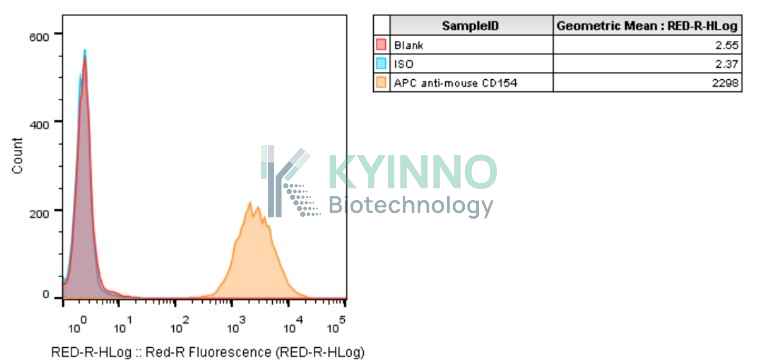
CD40L, also known CD154, Tumor Necrosis Factor Ligand Superfamily Member 5 (TNFSF5), gp39, and CD40L, is a gene that encodes the CD40 ligand protein. This crucial molecule belongs to the tumor necrosis factor (TNF) superfamily and plays a pivotal role in immune regulation and cellular interactions. The CD40L gene is primarily expressed on the surface of activated CD4+ T helper cells. Upon activation, CD40L binds to its cognate receptor CD40, which is present on antigen-presenting cells such as B cells, dendritic cells, monocytes/macrophages, and other non-hematopoietic cells like endothelial and epithelial cells. Disruptions or dysregulation of CD40L expression are associated with several diseases including XHIGM, autoimmune disorders, cardiovascular disease, and cancer, implicating its critical role in immune function and inflammation processes across diverse pathologies. There are multiple drugs targeting this target that are currently in Phase III clinical trials.