KC-3065

K562-HLA-A1101-Cell-Line

×
Please enable JavaScript in your browser to complete this form.
26887
Home » K562-HLA-A1101-Cell-Line

Background of K562-HLA-A1101-Cell-Line

HLA-A belongs to the HLA class I heavy chain paralogues. HLA-A is a heterodimer consisting of a heavy chain and a light chai. The heavy chain is anchored in the membrane. HLA-A plays a central role in the immune system by presenting peptides derived from the endoplasmic reticulum lumen so that they can be recognized by cytotoxic T cells. They are expressed in nearly all cells. HLA-A is a Protein Coding gene. Diseases associated with HLA-A include Severe Cutaneous Adverse Reaction and Birdshot Chorioretinopathy. Among its related pathways are SARS-CoV-2 Infection and Infectious disease.

Specifications

Catalog NumberKC-3065
Cell Line NameK562-HLA-A1101-Cell-Line
Host Cell LineK562
DescriptionStable K562 cell line expressing exogenous HLA-A1101 gene
QuantityTwo vials of frozen cells (≥2-106/vial)
StabilityStable in culture over a minimum of 10 passages
ApplicationDrug screening and biological assays
Freezing Medium70% RPMI1640 + 20% FBS + 10% DMSO
Propagation MediumRPMI1640 + 10% FBS + 300µg/mL Hygromycin B
Selection MarkerHygromycin B
MorphologyLymphoblast
SubcultureSplit saturated culture 1:4-1:8 every 2-3 days; seed out at about 1-2 × 10⁵ cells/mL
Incubation37 °C with 5% CO2
StorageLiquid nitrogen immediately upon receiving
Doubling TimeApproximately 20 hours
Mycoplasma StatusNegative
In Vivo ValidationNA

Cell Line Generation

K562-HLA-A1101 Cell Line was generated using a lentiviral vector expressing the HLA-A1101 sequence.

Characterization

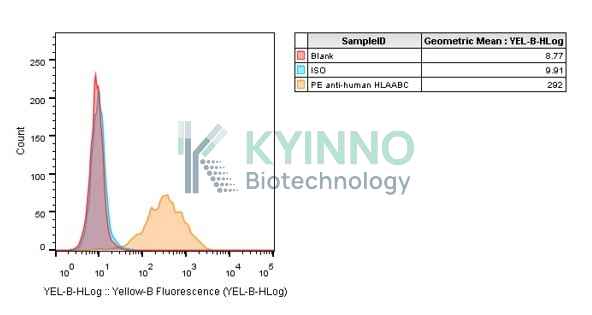
Figure1: Characterization of HLA-A overexpression in K562 HLA A1101 stable clone using FACS.

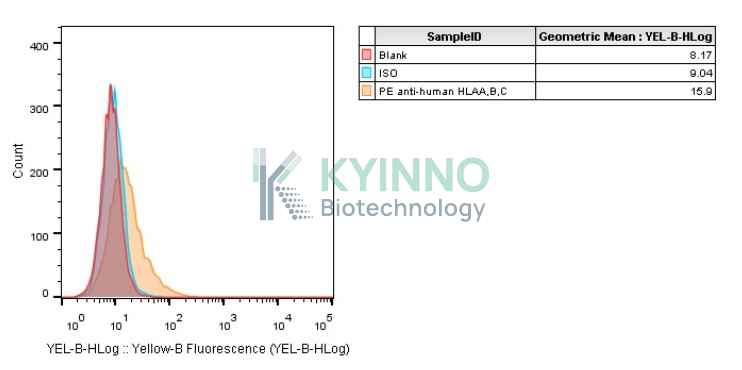
Figure2: Characterization of HLA-A expression in K562 cell using FACS.

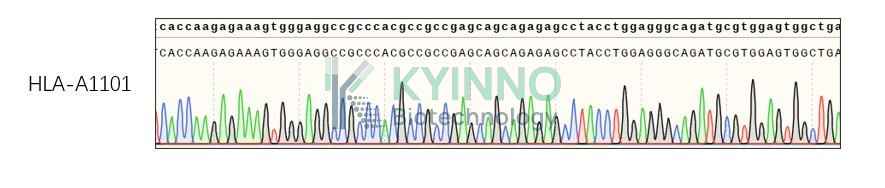
Figure3: Characterization of K562 HLA-A1101 Cell Line stable clone using PCR sequencing.

Cell Resuscitation

1. Prewarm culture medium (RPMI164 supplemented with 10% FBS and 300µg/mL Hygromycin B)in a 37°C water bath.
2. Thaw the frozen vial in a 37°C water bath for 1-2 minutes.
3. Transfer the vial into biosafety cabinet, and wipe the surface with 70% ethanol.
4. Unscrew the top of the vial and transfer the cell suspension gently into a sterile centrifuge tube containing 9.0mL complete culture medium.
5. Spin at ~ 125 × g for 5-7 minutes at room temperature, and discard the supernatant without disturbing the pellet.
6. Resuspend cell pellet with the appropriate volume of complete medium and transfer the cell suspension into a T25 culture flask.
7. Incubate the flask at 37°C, 5% CO2 incubator.
8. Split saturated culture 1:4-1:8 every 2-3 days; seed out at about 1-2 × 10⁵ cells/mL.

Cell Freezing

1. Prepare the freezing medium (70% RPMI164 + 20% FBS + 10% DMSO) fresh immediately before use.
2. Keep the freezing medium on ice and label cryovials.
3. Transfer cells to a sterile, conical centrifuge tube, and count the cells.
4. Centrifuge the cells at 250×g for 5 minutes at room temperature and carefully aspirate off the medium.
5. Resuspend the cells at a density of at least 3×10⁶ cells/mL in chilled freezing medium.
6. Aliquot 1 mL of the cell suspension into each cryovial.
7. Freeze cells in the CoolCell freezing container overnight in a -80°C freezer.
8. Transfer vials to liquid nitrogen for long-term storage

References

1. Arce-Gomez B, Jones EA, Barnstable CJ, Solomon E, Bodmer WF (February 1978). The genetic control of HLA-A and B antigens in somatic cell hybrids: requirement for beta2 microglobulin. Tissue Antigens. 11 (2): 96–112. doi:10.1111/j.1399-0039.1978.tb01233.x. PMID 77067.
2. de Campos-Lima PO, Levitsky V, Brooks J, et al. (April 1994). T cell responses and virus evolution: loss of HLA A11-restricted CTL epitopes in Epstein-Barr virus isolates from highly A11-positive populations by selective mutation of anchor residues. J. Exp. Med. 179 (4): 1297–305. doi:10.1084/jem.179.4.1297. PMC 2191457. PMID 7511684.

Please enable JavaScript in your browser to complete this form.