KC-1345

RS4;11-BCL2-G101V-Cell-Line

×
Please enable JavaScript in your browser to complete this form.
21959
Home » RS4;11-BCL2-G101V-Cell-Line

Background of RS4;11-BCL2-G101V-Cell-Line

Bcl-2 (B-cell lymphoma 2), as it is the second member of a range of proteins initially described in chromosomal translocations involving chromosomes 14 and 18 in follicular lymphomas. Bcl-2-family proteins regulate all major types of cell death, including apoptosis, necrosis and autophagy, thus operating as nodal points at the convergence of multiple pathways with broad relevance to oncology. Venetoclax is the first bcl-2 protein inhibitor approved by FDA. In recent years, bcl-2 small molecule inhibitors (such as ABT-737, ABT -263, ABT - 199 and GX-15-070) have entered clinical trials. RS4;11. a lymphoblast cell line of human. This line was established from the bone marrow of a patient with acute lymphoblastic leukemia. The cells lack surface and cytoplasmic immunoglobulin, and are negative for CALLA (CD10).

Specifications

Catalog NumberKC-1345
Cell Line NameRS4;11-BCL2-G101V-Cell-Line
DescriptionStable RS4;11 expressing exogenous BCL2 gene bearing G101V amino acid mutation.
QuantityTwo vials of frozen cells (≥2-106/vial)
StabilityStable in culture over a minimum of 10 passages
ApplicationDrug screening and biological assays
Freezing Medium70% RPMI1640+20% FBS+10% DMSO
Propagation MediumRPMI1640+10%FBS+1µg/mL Puromycin
Selection MarkerPuromycin
MorphologyLymphoblast
SubcultureSplit saturated culture 1:2-1:4 every 2-3 days; seed out at about 1-3 × 10⁵ cells/mL
Incubation37 °C with 5% CO2
StorageLiquid nitrogen immediately upon receiving
Doubling TimeApproximately 50 hours
Mycoplasma StatusNegative
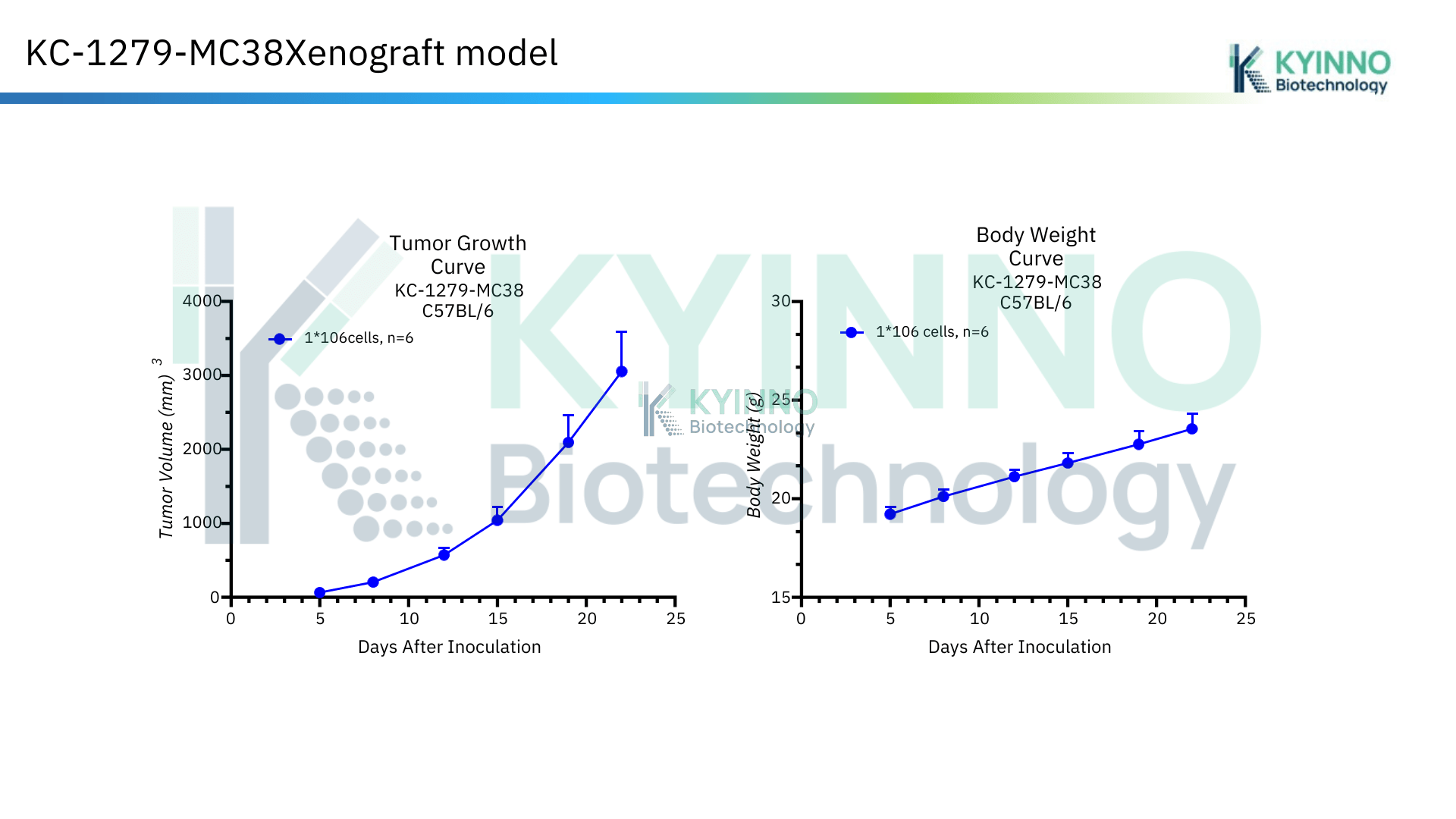
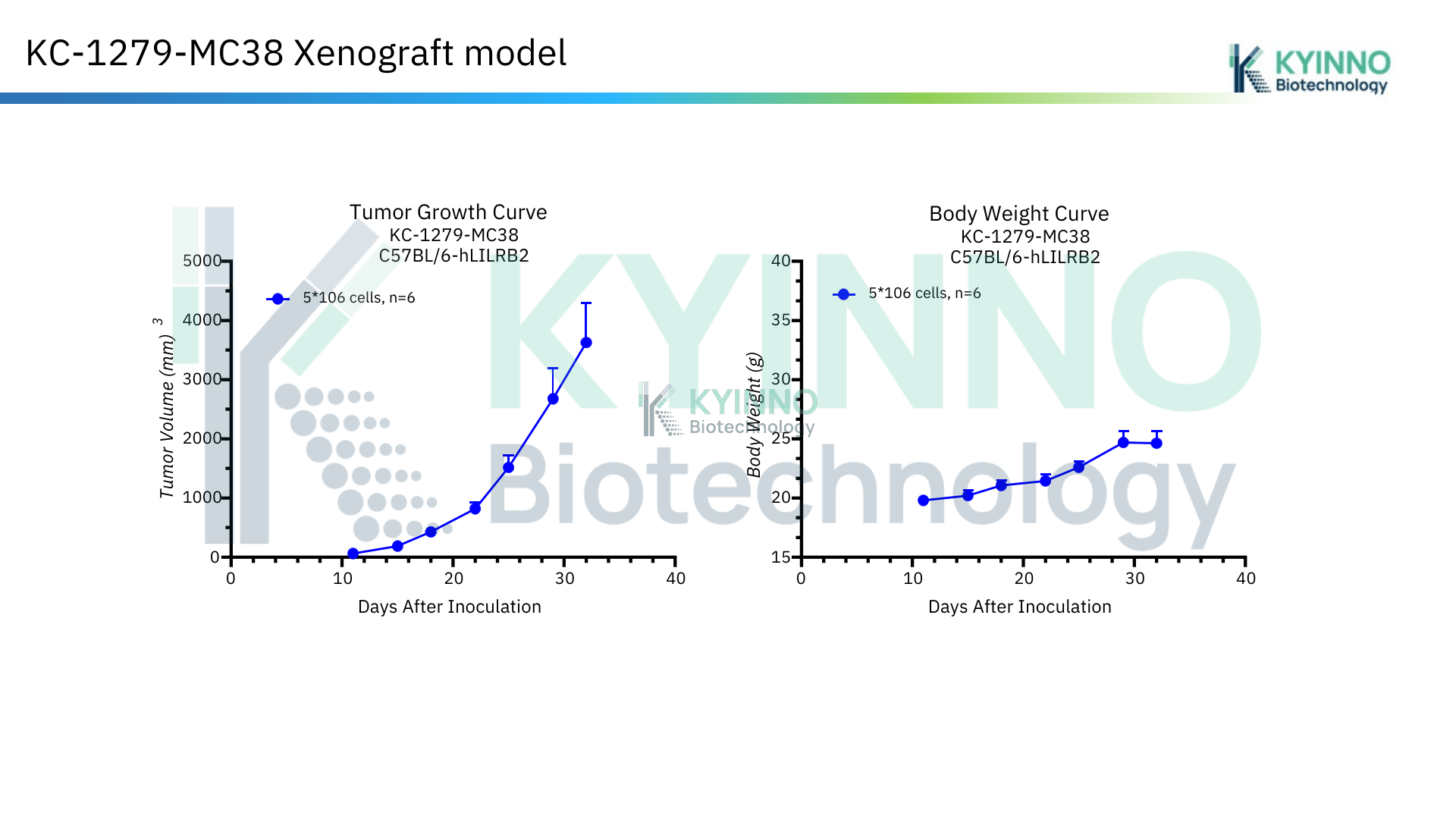
In Vivo ValidationYes

Cell Line Generation

RS4;11 BCL2-G101V cell line was generated using retrovirus vector expressing human BCL2 sequence with G101V mutation and Flag-tag.

Characterization

Cell Resuscitation

  1. Prewarm culture medium (RPMI1640 + 10% FBS + 1µg/mL Puromycin)in a 37°C water bath.
  2. Thaw the frozen vial in a 37°C water bath for 1-2 minutes.
  3. Transfer the vial into biosafety cabinet, and wipe the surface with 70% ethanol.
  4. Unscrew the top of the vial and transfer the cell suspension gently into a sterile centrifuge tube containing 9.0mL complete culture medium.
  5. Spin at ~ 125 × g for 5-7 minutes at room temperature, and discard the supernatant without disturbing the pellet.
  6. Resuspend cell pellet with the appropriate volume of complete medium and transfer the cell suspension into a T25 culture flask.
  7. Incubate the flask at 37°C, 5% CO2 incubator.
  8. Split saturated culture 1:2-1:4 every 2-3 days; seed out at about 1-3 × 10⁵ cells/mL.

Cell Freezing

  1. Prepare the freezing medium (70% RPMI-1640 + 20% FBS + 10% DMSO) fresh immediately before use.
  2. Keep the freezing medium on ice and label cryovials.
  3. Transfer cells to a sterile, conical centrifuge tube, and count the cells.
  4. Centrifuge the cells at 250×g for 5 minutes at room temperature and carefully aspirate off the medium.
  5. Resuspend the cells at a density of at least 3×10⁶ cells/mL in chilled freezing medium.
  6. Aliquot 1 mL of the cell suspension into each cryovial.
  7. Freeze cells in the CoolCell freezing container overnight in a -80°C freezer.
  8. Transfer vials to liquid nitrogen for long-term storage

References

  1. K W Yip & J C Reed, Bcl-2 family proteins and cancer. Oncogene volume 27, pages 6398ÿ6406 (27 October 2008)
Please enable JavaScript in your browser to complete this form.