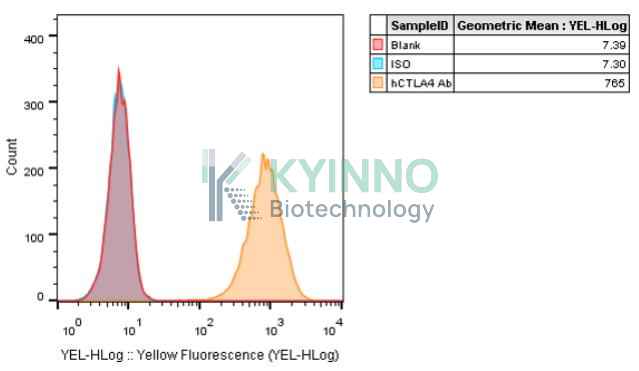
CTLA4 (Cytotoxic T-Lymphocyte-Associated Protein 4) is a critical immune checkpoint receptor expressed primarily on activated T cells. It functions as a negative regulator of T-cell activation, acting as a "brake" on the immune system. CTLA4 binds to the costimulatory molecules CD80/CD86 on antigen-presenting cells with higher affinity than the activating receptor CD28, thereby outcompeting CD28 and transmitting inhibitory signals. This mechanism prevents excessive immune responses and autoimmunity. Therapeutically, blocking CTLA4 (e.g., with Ipilimumab) was the first immune checkpoint inhibitor strategy proven effective in cancer immunotherapy, leading to durable responses in metastatic melanoma and establishing a cornerstone of modern oncology.