
KC-1474

PC9-EGFR-Del19/T790M/C797S-Cell-Line

×
Please enable JavaScript in your browser to complete this form.
22209
Home » PC9-EGFR-Del19/T790M/C797S-Cell-Line

Background of PC9-EGFR-Del19/T790M/C797S-Cell-Line

EGFR, the epidermal growth factor receptor, is a cell-surface receptor tyrosine kinase, and activated by binding of its specific ligand, such as epidermal growth factor (EGF) and transforming growth factor alpha (TGF-alpha). The overexpression or overactivity of EGFR has associated with a number of cancers, including the lung cancer and colon cancer. The identification of EGFR as a driver gene has led to the rapid development of anticancer therapeutics agents, including Gefitinib, Erlotinib, Afatinib, Osimertinib (AZD9291) and Cetuximab.

Specifications

Catalog NumberKC-1474
Cell Line NamePC9-EGFR-Del19/T790M/C797S-Cell-Line
Host Cell LinePC9
DescriptionPC9 cell line bearing exogenous EGFR Del19/T790M/C797S mutations
QuantityTwo vials of frozen cells (≥2-106/vial)
StabilityStable in culture over a minimum of 10 passages
ApplicationDrug screening and biological assays
Freezing Medium70% RPMI1640+20% FBS+10% DMSO
Propagation MediumRPMI1640+10%FBS+0.5µg/mL Puromycin
Selection MarkerPuromycin
MorphologyEpithelial
SubcultureSplit saturated culture 1:3-1:6 every 3 days; seed out at about 1-3 × 10⁵ cells/mL
Incubation37 °C with 5% CO2
StorageLiquid nitrogen immediately upon receiving
Doubling TimeApproximately 30 hours
Mycoplasma StatusNegative
In Vivo ValidationYes

Cell Line Generation

PC9 EGFR Del19/T790M/C797S/L858R overexpressed cell Line was generated through plasmid transfection with exogenous EGFR Del19/T790M/C797S Sequence

Characterization

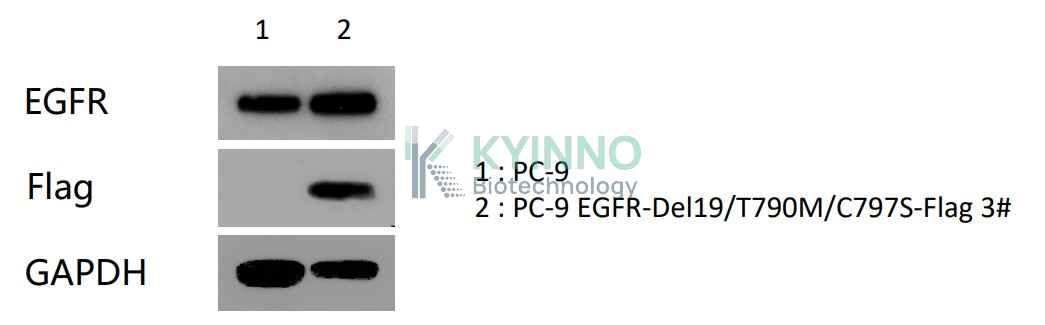
Figure 1: Characterization of EGFR-Del19/T790M/C797S in PC9 stable clone using Western Blot.
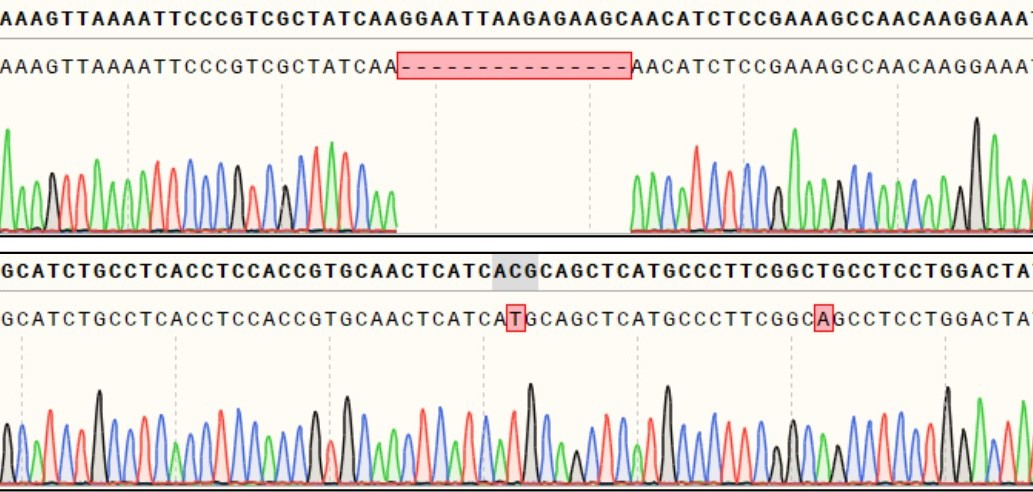
Figure 2: Characterization of EGFR-Del19/T790M/C797S in PC9 stable clones using PCR sequencing.
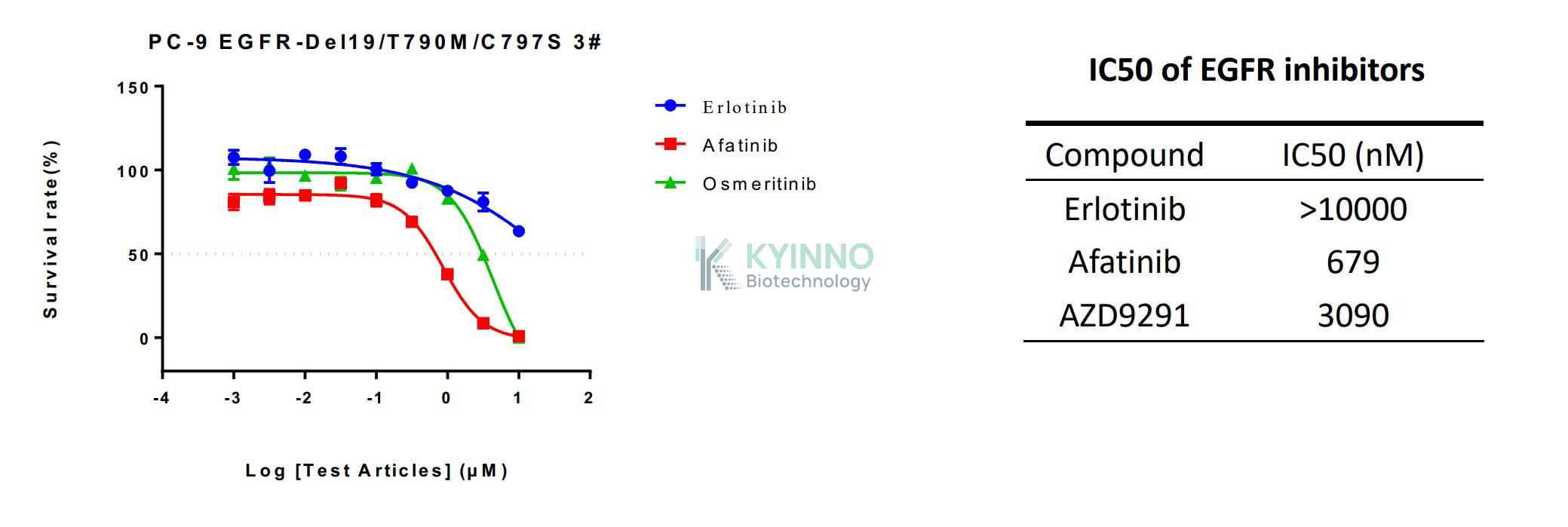
Figure 3: PC9 cells expressing EGFR mutants were seeded into 96-well plates, treated with compounds for 72 hours, and then read out with Cell-Titer Glo system.

Cell Resuscitation

  1. Prewarm culture medium (DMEM + 10% FBS + 0.5μg/mL puromycin)in a 37°C water bath.
  2. Thaw the frozen vial in a 37°C water bath for 1-2 minutes.
  3. Transfer the vial into biosafety cabinet, and wipe the surface with 70% ethanol.
  4. Unscrew the top of the vial and transfer the cell suspension gently into a sterile centrifuge tube containing 9.0mL complete culture medium.
  5. Spin at ~ 125 × g for 5-7 minutes at room temperature, and discard the supernatant without disturbing the pellet.
  6. Resuspend cell pellet with the appropriate volume of complete medium and transfer the cell suspension into a T25 culture flask.
  7. Incubate the flask at 37°C, 5% CO2 incubator.
  8. Split saturated culture 1:3-1:6 every 3 days; seed out at about 1-3 × 10⁵ cells/mL.

Cell Freezing

  1. Prepare the freezing medium (70% RPMI-1640 + 20% FBS + 10% DMSO) fresh immediately before use.
  2. Keep the freezing medium on ice and label cryovials.
  3. Transfer cells to a sterile, conical centrifuge tube, and count the cells.
  4. Centrifuge the cells at 250×g for 5 minutes at room temperature and carefully aspirate off the medium.
  5. Resuspend the cells at a density of at least 3×10⁶ cells/mL in chilled freezing medium.
  6. Aliquot 1 mL of the cell suspension into each cryovial.
  7. Freeze cells in the CoolCell freezing container overnight in a -80°C freezer.
  8. Transfer vials to liquid nitrogen for long-term storage

References

  1. Thress, K. S. et al. Acquired EGFR C797S mutation mediates resistance to AZD9291 in nonÿsmall cell lung cancer harboring EGFR T790M. Nature Medicine 21, 560ÿ562 (2015).
  2. Jia, Y. et al. Overcoming EGFR(T790M) and EGFR(C797S) resistance with mutant-selective allosteric inhibitors. Nature 534, 129ÿ132 (2016).
Please enable JavaScript in your browser to complete this form.