KC-2641

K562-PDL1-HLAE0103 Cell Line

×
Please enable JavaScript in your browser to complete this form.
24466
Home » K562-PDL1-HLAE0103 Cell Line

Background of K562-PDL1-HLAE0103 Cell Line

PDL1, a member of the antigen presentation co-stimulator/co-inhibitory molecule B7 family, is expressed in cancer cells and many antigen presenting cells (APCs) and produces inflammatory cytokines when T cells recognize antigens expressed by the major histocompatibility complex (MHC) on target cells. The interaction of this ligand with its receptor inhibits T cell activation and cytokine production. During infection or inflammation of normal tissues, this interaction is important for preventing autoimmunity by maintaining homeostasis of the immune response. In the tumor microenvironment, this interaction provides immune escape to tumor cells through cytotoxic T cell inactivation. The expression of this gene in tumor cells is thought to be the prognosis for many types of human malignancies, including colon cancer and renal cell carcinoma.
HLA-E is a bridge molecule connecting innate immunity (NK cells) and adaptive immunity (T cells). Its core function is not to present exogenous antigens, but to monitor the overall expression levels of HLA-I molecules within cells. Although its polymorphism is much lower than that of classical HLA genes, functional differences at key sites (such as codon 107) and newly discovered variants from full-length sequencing are making it a potential biomarker and drug target in the fields of transplant immunity, cancer immunotherapy, and autoimmune diseases.

Specifications

Catalog NumberKC-2641
Cell Line NameK562-PDL1-HLAE0103 Cell Line
NCBI/UniProt Accession NumberNM_014143 and NM_005516.6
Host Cell LineK562
DescriptionStable K562 cell line expressing exogenous PDL1 and HLAE0103 gene
QuantityTwo vials of frozen cells (≥2-106/vial)
StabilityStable in culture over a minimum of 10 passages
ApplicationDrug screening and biological assays
Freezing Medium70% RPMI1640 + 20% FBS + 10% DMSO
Propagation MediumRPMI1640 + 10% FBS + 1μg/mL Puromycin
Selection MarkerPuromycin
MorphologyLymphoblastic
SubcultureSplit saturated culture 1:4-1:5 every 2-3 days; seed out at about 1-3 × 10⁵ cells/mL
Incubation37 °C with 5% CO2
StorageLiquid nitrogen immediately upon receiving
Doubling TimeApproximately 24 hours
Mycoplasma StatusNegative
In Vivo ValidationNA

Cell Line Generation

K562-PDL1-HLAE0103 Cell Line was generated using a lentiviral vector expressing the human PDL1 and HLAE0103 sequence.

Characterization

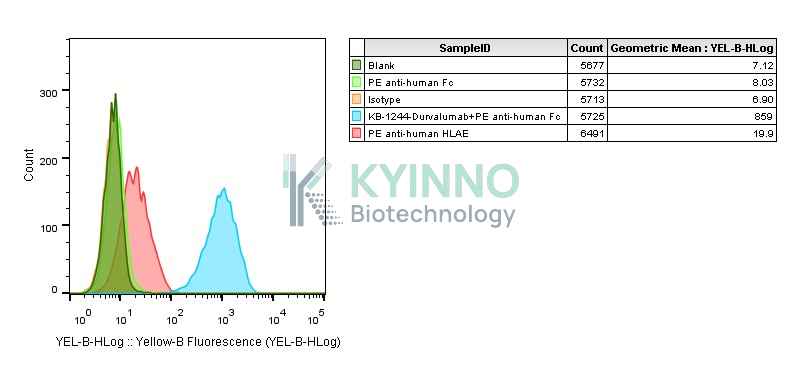
Figure1: Characterization of human PDL1 and HLA-E0103 overexpression in K562-PDL1-HLAE0103 stable clones using FACS.

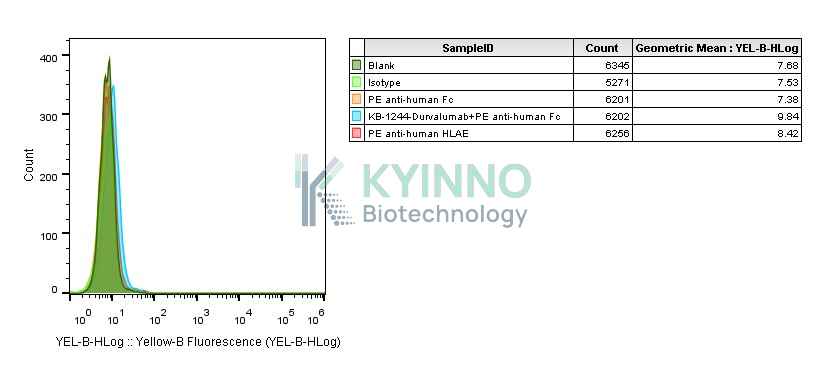
Figure2: Characterization of human PDL1 and HLA-E0103 overexpression in K562 stable clones using FACS

Cell Resuscitation

1. Prewarm culture medium (RPMI1640 supplemented with 10% FBS and 1μg/mL Puromycin) in a 37°C water bath.
2. Thaw the frozen vial in a 37°C water bath for 1-2 minutes.
3. Transfer the vial into biosafety cabinet, and wipe the surface with 70% ethanol.
4. Unscrew the top of the vial and transfer the cell suspension gently into a sterile centrifuge tube containing 9.0mL complete culture medium.
5. Spin at ~ 125 × g for 5-7 minutes at room temperature, and discard the supernatant without disturbing the pellet.
6. Resuspend cell pellet with the appropriate volume of complete medium and transfer the cell suspension into a T25 culture flask.
7. Incubate the flask at 37°C, 5% CO2 incubator.
8. Split saturated culture 1:4-1:5 every 2-3 days; seed out at about 1-3 × 10⁵ cells/mL.

Cell Freezing

1. Prepare the freezing medium (70% RPMI1640 + 20% FBS + 10% DMSO) fresh immediately before use.
2. Keep the freezing medium on ice and label cryovials.
3. Transfer cells to a sterile, conical centrifuge tube, and count the cells.
4. Centrifuge the cells at 250×g for 5 minutes at room temperature and carefully aspirate off the medium.
5. Resuspend the cells at a density of at least 3×10⁶ cells/mL in chilled freezing medium.
6. Aliquot 1 mL of the cell suspension into each cryovial.
7. Freeze cells in the CoolCell freezing container overnight in a -80°C freezer.
8. Transfer vials to liquid nitrogen for long-term storage.

References

1.Sun Y, Jiang L, Wen T, Guo X, Shao X, Qu H, Chen X, Song Y, Wang F, Qu X, Li Z. Trends in the Research Into Immune Checkpoint Blockade by Anti-PD1/PDL1 Antibodies in Cancer Immunotherapy: A Bibliometric Study. Front Pharmacol. 2021 Aug 17;12:670900. doi: 10.3389/fphar.2021.670900. PMID: 34489691; PMCID: PMC8418110.
2. Park JJ, Thi EP, Carpio VH, Bi Y, Cole AG, Dorsey BD, Fan K, Harasym T, Iott CL, Kadhim S, Kim JH, Lee ACH, Nguyen D, Paratala BS, Qiu R, White A, Lakshminarasimhan D, Leo C, Suto RK, Rijnbrand R, Tang S, Sofia MJ, Moore CB. Checkpoint inhibition through small molecule-induced internalization of programmed death-ligand 1. Nat Commun. 2021 Feb 22;12(1):1222. doi: 10.1038/s41467-021-21410-1. PMID: 33619272; PMCID: PMC7900207.
3. Sasmal P, Kumar Babasahib S, Prashantha Kumar BR, Manjunathaiah Raghavendra N. Biphenyl-based small molecule inhibitors: Novel cancer immunotherapeutic agents targeting PD-1/PD-L1 interaction. Bioorg Med Chem. 2022 Nov 1;73:117001. doi: 10.1016/j.bmc.2022.117001. Epub 2022 Sep 13. PMID: 36126447.
4.Liu XX, Pan FH, Tian W. Characterization of HLA-E polymorphism in four distinct populations in Mainland China. Tissue Antigens. 2012 Jul;80(1):26-35. doi: 10.1111/j.1399-0039.2012.01873.x. Epub 2012 Apr 5. PMID: 22486789.

Please enable JavaScript in your browser to complete this form.