KC-3140

293T-CRE-Luc2-GIPR-Cell-Line

×
Please enable JavaScript in your browser to complete this form.
26435
Home » 293T-CRE-Luc2-GIPR-Cell-Line

Background of 293T-CRE-Luc2-GIPR-Cell-Line

Cyclic adenosine monophosphate (cAMP), the first discovered second messenger, plays a key role in cell signaling, regulating many physiological and pathological processes. cAMP can regulate the transcription of a variety of target genes, primarily through protein kinase A (PKA) and its downstream effectors such as cAMP-responsive element binding protein (CREB). In addition, PKA can also phosphorylate a variety of kinases such as Raf, GSK3, and FAK. cAMP-PKA signaling abnormalities involve many types of human tumors. Glucose-dependent insulin polypeptides (GIPs) are products of the GIP gene and act as incretin hormone in mammals. Gip is most closely associated with the glucagongen (Gcg) and Exendin genes, and was isolated from these genes early in vertebrate evolution. In mammals, GIP works through its specific receptor, encoded by the Gipr gene, which belongs to the 7-transmembrane g protein-coupled receptor (GPCR) gene subfamily, which also includes glucagongen-derived peptides (Gcgr, Glp1r and Glp2r) and Exendin receptors (Grlr). The Gip, Gipr, Exendin and Grlr genes are found in most vertebrates.

Specifications

Catalog NumberKC-3140
Cell Line Name293T-CRE-Luc2-GIPR-Cell-Line
Host Cell Line293T-CRE-Luc2
DescriptionStable 293T-CRE-Luc2 cell line expressing exogenous GIPR gene
QuantityTwo vials of frozen cells (≥2-106/vial)
StabilityStable in culture over a minimum of 10 passages
ApplicationCell model for monitoring GIPR signaling pathway
Freezing MediumDMEM+20% FBS+10%DMSO
Propagation MediumDMEM+10%FBS +1µg/mL Puromycin+150µg/mL Hygromycin B
Selection MarkerPuromycin and Hygromycin B
MorphologyEpithelial
SubcultureSplit saturated culture 1:4-1:8 every 2-3 days; seed out at about 1-3 × 10⁵ cells/mL
Incubation37 °C with 5% CO2
StorageLiquid nitrogen immediately upon receiving
Doubling TimeApproximately 30 hours
Mycoplasma StatusNegative
In Vivo ValidationNA

Cell Line Generation

293T-CRE-Luc2-GIPR Cell Line was generated using a lentiviral vector expressing GIPR sequence.

Characterization

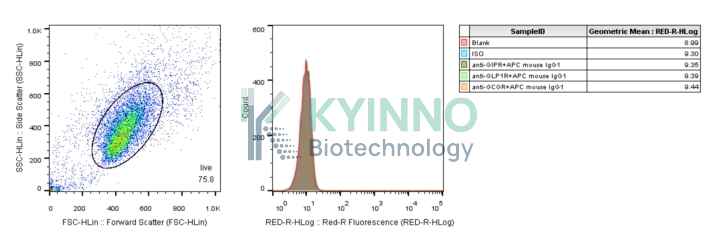
Figure 1. Characterization of human GIPR overexpression in 293T-CRE-Luc2 blank cell using FCAS.

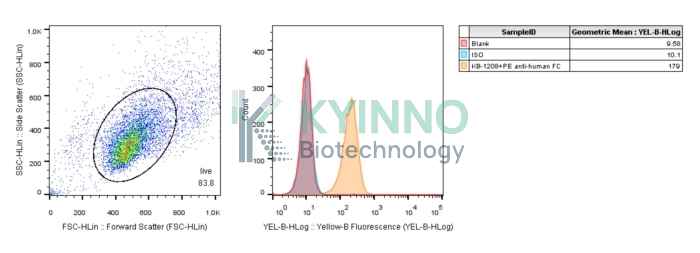
Figure 2. Characterization of human GIPR overexpression in 293T-CRE-Luc2 stable clones using FCAS.

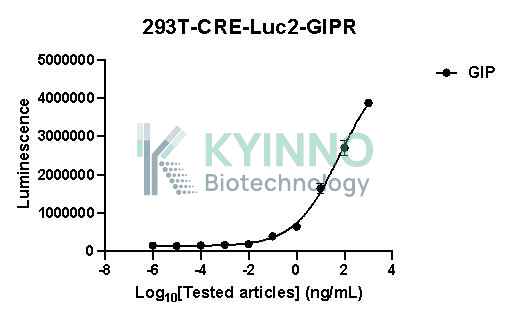
Figure 3. 293T-CRE-Luc2-GIPR cell line were seed into the 96-well plate, and treated with GIP for 6 hours, then readout with Bright-lite™ Luciferase Assay system.

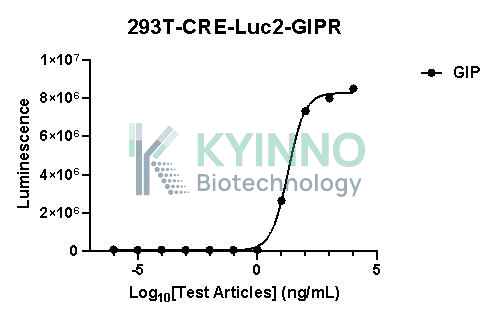
Figure 4. Stability verification. The cells were verified after 15 generations.

Cell Resuscitation

  1. Prewarm culture medium (DMEM supplemented with 10% FBS, 150μg/ml Hygromycin and 1μg/ml Puromycin)in a 37°C water bath.
  2. Thaw the frozen vial in a 37°C water bath for 1-2 minutes.
  3. Transfer the vial into biosafety cabinet, and wipe the surface with 70% ethanol.
  4. Unscrew the top of the vial and transfer the cell suspension gently into a sterile centrifuge tube containing 9.0mL complete culture medium.
  5. Spin at ~ 125 × g for 5-7 minutes at room temperature, and discard the supernatant without disturbing the pellet.
  6. Resuspend cell pellet with the appropriate volume of complete medium and transfer the cell suspension into a T25 culture flask.
  7. Incubate the flask at 37°C, 5% CO2 incubator.
  8. Split saturated culture 1:4-1:8 every 2-3 days; seed out at about 1-3 × 10⁵ cells/mL.

Cell Freezing

  1. Prepare the freezing medium (70% DMEM + 20% FBS + 10% DMSO) fresh immediately before use.
  2. Keep the freezing medium on ice and label cryovials.
  3. Transfer cells to a sterile, conical centrifuge tube, and count the cells.
  4. Centrifuge the cells at 250×g for 5 minutes at room temperature and carefully aspirate off the medium.
  5. Resuspend the cells at a density of at least 3×10⁶ cells/mL in chilled freezing medium.
  6. Aliquot 1 mL of the cell suspension into each cryovial.
  7. Freeze cells in the CoolCell freezing container overnight in a -80°C freezer.
  8. Transfer vials to liquid nitrogen for long-term storage

References

  1. Sands WA, Palmer TM. Regulating gene transcription in response to cyclic AMP elevation. Cell Signal. 2008 Mar;20(3):460-6. doi: 10.1016/j.cellsig.2007.10.005. Epub 2007 Oct 12. PMID: 17993258.
  2. Campbell JE. Targeting the GIPR for obesity: To agonize or antagonize? Potential mechanisms. Mol Metab. 2021 Apr;46:101139. doi: 10.1016/j.molmet.2020.101139. Epub 2020 Dec 5. PMID: 33290902; PMCID: PMC8085569.
Please enable JavaScript in your browser to complete this form.