KC-2679

NIH/3T3-HRAS-WT Cell Line

×
Please enable JavaScript in your browser to complete this form.
26561
Home » 细胞系 » NIH/3T3-HRAS-WT Cell Line

Background of NIH/3T3-HRAS-WT Cell Line

HRAS is a proto-oncogene encoding a small GTPase that acts as a critical molecular switch in the RAS/MAPK signaling pathway, which regulates cell proliferation, differentiation, and survival. Upon growth factor stimulation, HRAS cycles between an active GTP-bound and an inactive GDP-bound state. Oncogenic mutations, most commonly at residues G12, G13, or Q61, impair its GTPase activity, locking HRAS in a constitutively active state that drives uncontrolled cell growth. While mutations in HRAS are less frequent in human cancers than in its paralogs KRAS and NRAS, they are notably prevalent in specific malignancies such as bladder cancer, thyroid cancer (e.g., follicular and undifferentiated types), and head and neck squamous cell carcinoma. Due to the "undruggable" nature of RAS proteins for decades, therapeutic strategies have often focused on inhibiting downstream effectors like MEK. However, the recent development of allele-specific covalent inhibitors targeting specific RAS mutants has revived direct targeting efforts, including for certain HRAS-driven cancers.

Specifications

Catalog NumberKC-2679
Cell Line NameNIH/3T3-HRAS-WT Cell Line
Clone NumberNA
Host Cell LineNIH/3T3
DescriptionStable NIH/3T3 cell line expressing exogenous HRAS-WT gene
QuantityTwo vials of frozen cells (≥2-106/vial)
StabilityStable in culture over a minimum of 10 passages
ApplicationDrug screening and biological assays
Freezing Medium70% DMEM+20% FBS+10% DMSO
Propagation MediumDMEM+10%FBS+2μg/mL Puromycin
Selection MarkerPuromycin
MorphologyFibroblastoid cells growing as monolayer
SubcultureSplit saturated culture 1:4-1:8 every 2-3 days; seed out at about 1-3 × 10⁵ cells/mL
Incubation37 °C with 5% CO2
StorageLiquid nitrogen immediately upon receiving
Doubling TimeApproximately 30 hours
Mycoplasma StatusNegative
In Vivo ValidationNA

Cell Line Generation

NIH/3T3-HRAS-WT cell line was generated using lentivirus expressing HRAS-WT sequence.

Characterization

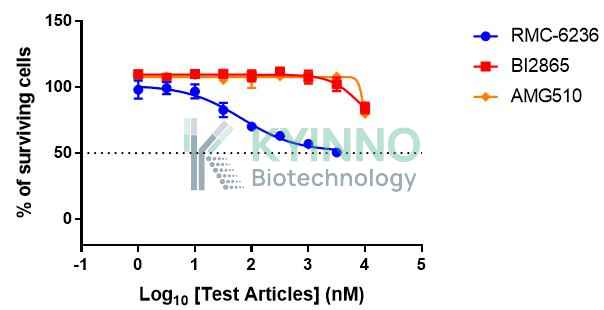
Figure1: Characterization of HRAS-WT mutation in NIH/3T3-HRAS-WT stable clone using Cell Titer-Glo.

Cell Resuscitation

  1. Prewarm culture medium (DMEM+10%FBS+2μg/mL Puromycin)in a 37°C water bath.
  2. Thaw the frozen vial in a 37°C water bath for 1-2 minutes.
  3. Transfer the vial into biosafety cabinet, and wipe the surface with 70% ethanol.
  4. Unscrew the top of the vial and transfer the cell suspension gently into a sterile centrifuge tube containing 9.0mL complete culture medium.
  5. Spin at ~ 125 × g for 5-7 minutes at room temperature, and discard the supernatant without disturbing the pellet.
  6. Resuspend cell pellet with the appropriate volume of complete medium and transfer the cell suspension into a T25 culture flask.
  7. Incubate the flask at 37°C, 5% CO2 incubator.
  8. Split saturated culture 1:4-1:8 every 2-3 days; seed out at about 1-3 × 10⁵ cells/mL.

Cell Freezing

  1. Prepare the freezing medium (70% DMEM + 20% FBS + 10% DMSO) fresh immediately before use.
  2. Keep the freezing medium on ice and label cryovials.
  3. Transfer cells to a sterile, conical centrifuge tube, and count the cells.
  4. Centrifuge the cells at 250×g for 5 minutes at room temperature and carefully aspirate off the medium.
  5. Resuspend the cells at a density of at least 3×10⁶ cells/mL in chilled freezing medium.
  6. Aliquot 1 mL of the cell suspension into each cryovial.
  7. Freeze cells in the CoolCell freezing container overnight in a -80°C freezer.
  8. Transfer vials to liquid nitrogen for long-term storage.

References

  1. Gomez GA, Daniotti JL. Electrical properties of plasma membrane modulate subcellular distribution of K-Ras. FEBS J. 2007 May;274(9):2210-28. doi: 10.1111/j.1742-4658.2007.05758.x. Epub 2007 Mar 27. PMID: 17388810.
  2. Sathyan KM, Nalinakumari KR, Kannan S. H-Ras mutation modulates the expression of major cell cycle regulatory proteins and disease prognosis in oral carcinoma. Mod Pathol. 2007 Nov;20(11):1141-8. doi: 10.1038/modpathol.3800948. Epub 2007 Aug 31. PMID: 17767136.
Please enable JavaScript in your browser to complete this form.