KC-2979

BxPC-3-CLDN18.2-PDL1-Cell-Line

×
Please enable JavaScript in your browser to complete this form.
26847
Home » BxPC-3-CLDN18.2-PDL1-Cell-Line

Background of BxPC-3-CLDN18.2-PDL1-Cell-Line

CLDN18.2 (Claudin-18 isoform 2) is a stomach-specific tight junction protein. Its expression in healthy tissues is largely confined to the gastric mucosa. It is frequently overexpressed in various cancers, most notably gastric cancer and pancreatic cancer. The FDA-approved drug Zolbetuximab targets CLDN18.2 for the treatment of CLDN18.2-positive, HER2-negative gastric or gastroesophageal junction adenocarcinoma.
PD-L1 (Programmed Death-Ligand 1), also known as B7-H1 and CD274, is an immune checkpoint protein that is expressed on various immune cells. It is often upregulated on tumor cells to evade immune detection. The interaction between PD-L1 and its receptor PD-1 suppresses T-cell activity. Several PD-1/PD-L1 checkpoint inhibitors have been approved as cancer immunotherapies, including pembrolizumab and nivolumab.

Specifications

Catalog NumberKC-2979
Cell Line NameBxPC-3-CLDN18.2-PDL1-Cell-Line
NCBI/UniProt Accession NumberNM_001002026, NM_014143
Clone Number5#
Host Cell LineBxPC-3 cell line
DescriptionStable BxPC3 cell line expressing exogenous human CLDN18.2 and PDL1 gene
QuantityTwo vials of frozen cells (≥2-106/vial)
StabilityStable in culture over a minimum of 10 passages
ApplicationDrug screening and biological assays
Freezing Medium70% basal medium+20% FBS+10% DMSO
Propagation MediumRPMI1640+10%FBS+1µg/mL Puromycin+300µg/mL Hygromycin B
Selection MarkerPuromycin | Hygromycin B
MorphologyEpithelial-like
SubcultureSplit saturated culture 1:3-1:6 every 2-3 days
Incubation37 °C with 5% CO2
StorageLiquid nitrogen immediately upon receiving
Doubling TimeApproximately 48 hours
Mycoplasma StatusNegative
In Vivo ValidationNA

Cell Line Generation

BxPC-3-CLDN18.2-PDL1 cell line was generated using a lentiviral vector expressing the human CLDN18.2 and PDL1 sequence.

Characterization

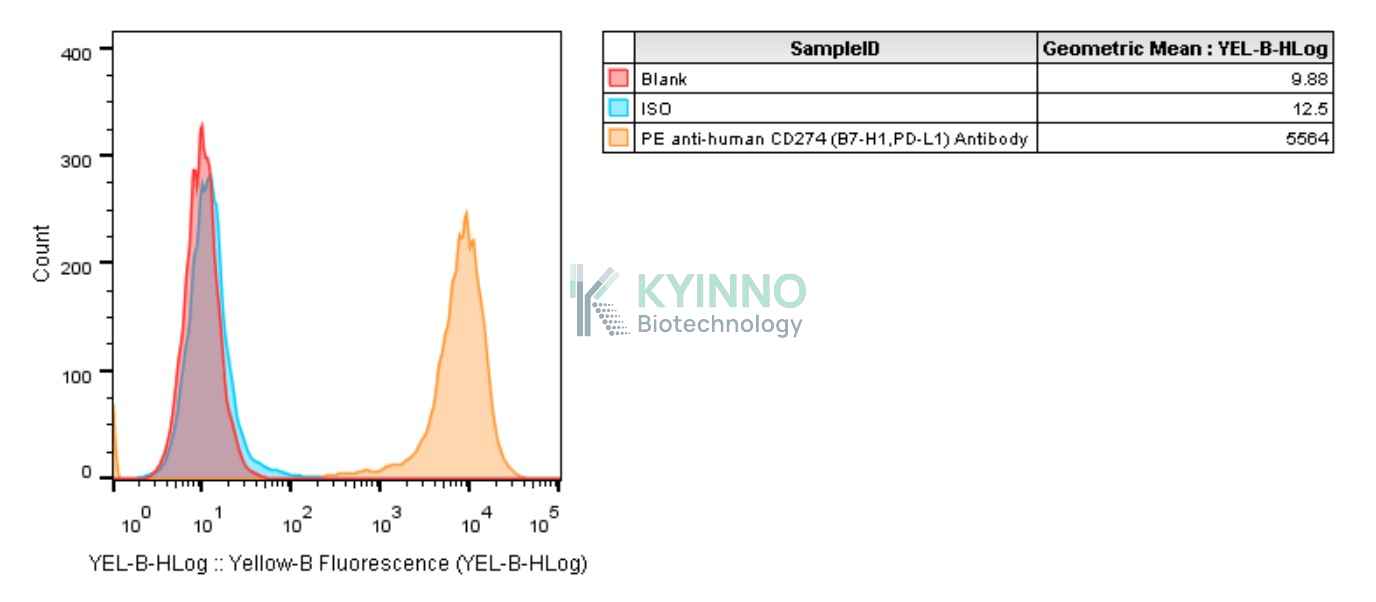
Figure 1: Characterization of PDL1 overexpression in the BxPC-3-CLDN18.2-PDL1 stable clone using FACS.

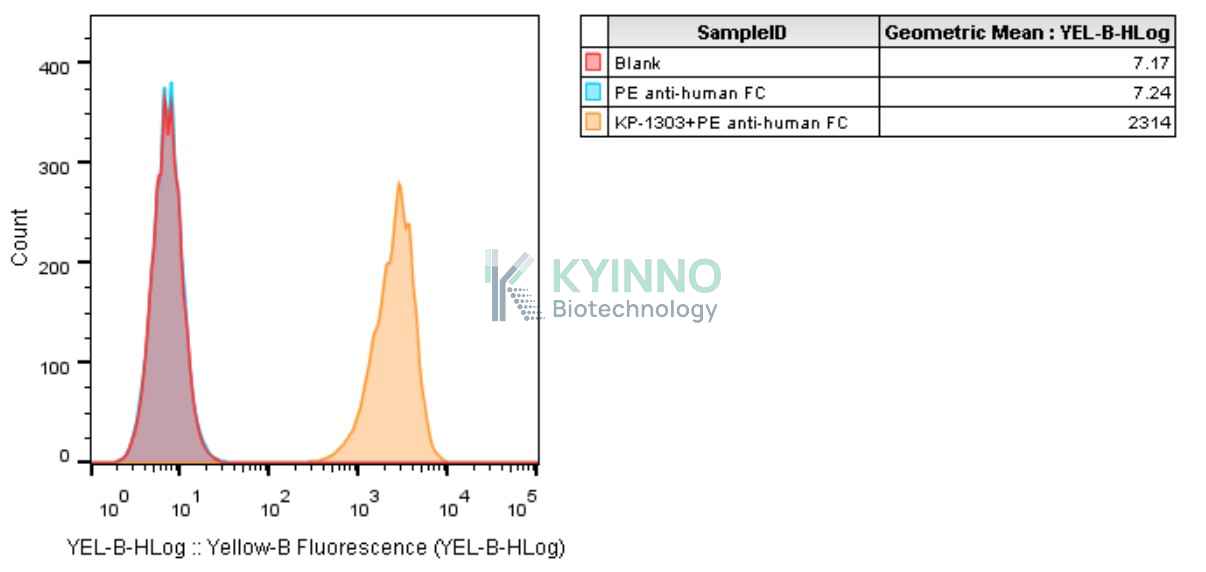
Figure 2: Characterization of PDL1 overexpression in the BxPC-3-CLDN18.2-PDL1 stable clone using FACS (KB-1285, kyinno, Atezolizumab).

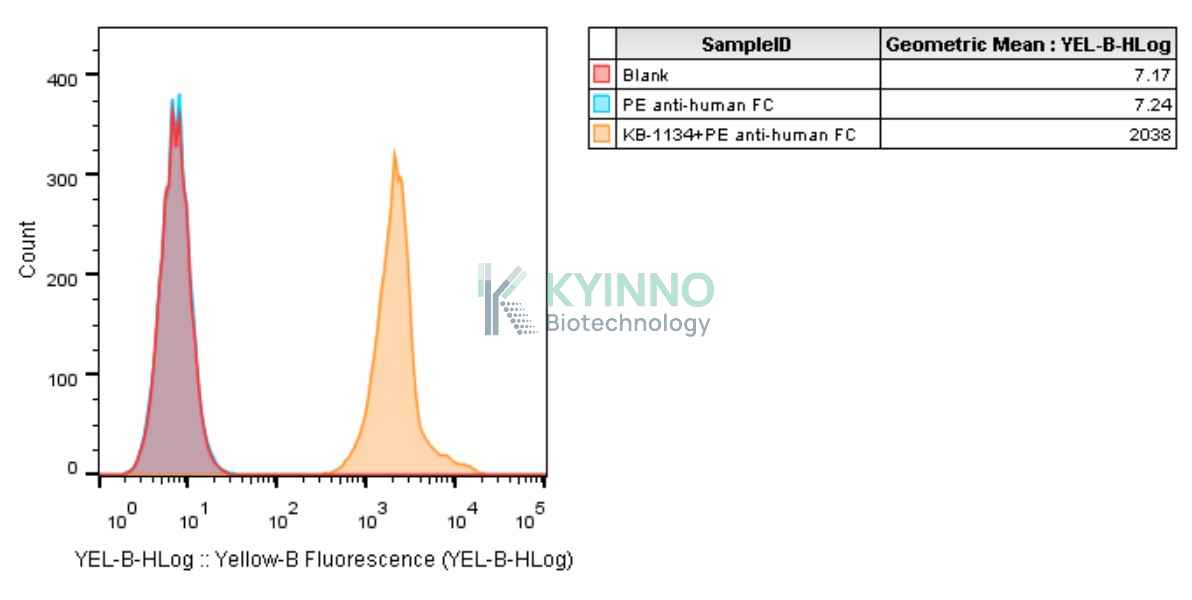
Figure 3: Characterization of CLDN18.2 overexpression in the BxPC-3-CLDN18.2-PDL1 stable clone using FACS (KB-1134, kyinno, Zolbetuximab).

Cell Resuscitation

  1. Pre-warm complete culture medium (basal medium and 10% FBS) in a 37°C water bath.
  2. Rapidly thaw the cryovial in a 37°C water bath for 1-2 minutes with gentle agitation.
  3. Transfer the vial to a biosafety cabinet, and disinfect the exterior with 70% ethanol.
  4. Aseptically transfer the cell suspension dropwise into a sterile centrifuge tube containing 9.0 mL of pre-warmed complete medium.
  5. Centrifuge at approximately 125 × g for 5–7 minutes at room temperature, carefully aspirate the supernatant without disturbing the cell pellet.
  6. Gently resuspend the pellet in an appropriate volume of complete medium and transfer the suspension into a T25 flask.
  7. Incubate the flask in a 37°C in a humidified 5% CO2 incubator.
  8. Assess cell viability and morphology after 24 hours. If cells appear healthy, replace the medium with fresh medium supplemented with the appropriate selective antibiotic.
  9. Subculture the cells at a ratio of 1:3-1:6 every 2-3 days upon reaching 80%–90% confluency.

Cell Freezing

  1. Prepare the freezing medium (70% basal medium, 20% FBS and 10% DMSO) freshly before use.
  2. Pre-chill the freezing medium on ice and label the cryovials accordingly.
  3. Transfer the cell suspension to a sterile conical tube and perform a cell count to determine total viability and density.
  4. Centrifuge the cells at 250×g for 5 minutes at room temperature; carefully aspirate the supernatant.
  5. Gently resuspend the cell pellet in chilled freezing medium, ensuring a minimum cell density of 3×10⁶ cells/mL.
  6. Aliquot 1 mL of the cell suspension into each pre-labeled cryovial.
  7. Place the cryovials into a CoolCell® container and store at -80°C overnight for controlled-rate cooling.
  8. Transfer the cryovials to the liquid nitrogen for long-term storage the following day.

References

1. Dominguez Wiscovitch, Andrea et al. “CLDN18.2-Targeted Therapy in Gastrointestinal Cancers.” Cancers vol. 17,23 3764. 25 Nov. 2025, doi:10.3390/cancers17233764.
2. Huang, Yu et al. “CLDN18.2: a potential nanotherapeutic target for cholangiocarcinoma.” Frontiers in pharmacology vol. 16 1559558. 26 Mar. 2025, doi:10.3389/fphar.2025.1559558.
3. Cao, Weijie et al. “Claudin18.2 is a novel molecular biomarker for tumor-targeted immunotherapy.” Biomarker research vol. 10,1 38. 31 May. 2022, doi:10.1186/s40364-022-00385-1.
4. Chen, Jinxia et al. “Targeting CLDN18.2 in cancers of the gastrointestinal tract: New drugs and new indications.” Frontiers in oncology vol. 13 1132319. 10 Mar. 2023, doi:10.3389/fonc.2023.1132319.
5. Daassi, Dhouha et al. “The importance of exosomal PDL1 in tumour immune evasion.” Nature reviews. Immunology vol. 20,4 (2020): 209-215. doi:10.1038/s41577-019-0264-y.
6. Wu, Jianheng, and Nannan Wang. “Current progress of anti‑PD‑1/PDL1 immunotherapy for glioblastoma (Review).” Molecular medicine reports vol. 30,6 (2024): 221. doi:10.3892/mmr.2024.13344.

Please enable JavaScript in your browser to complete this form.