KC-3021

CHOK1-CD19-Cell-Line

×
Please enable JavaScript in your browser to complete this form.
26863
Home » CHOK1-CD19-Cell-Line

Background of CHOK1-CD19-Cell-Line

CD19 (Cluster of Differentiation 19) , also known as B4 and LEU12, is a transmembrane glycoprotein belonging to the immunoglobulin superfamily. It is exclusively expressed on B lymphocytes from early development through mature B cells, but not on plasma cells. As a critical component of the B cell co-receptor complex, CD19 modulates PI3K signaling and regulates B cell activation, proliferation, and differentiation. CD19 is a well-established therapeutic target in B-cell malignancies including acute lymphoblastic leukemia (ALL), diffuse large B-cell lymphoma (DLBCL), and non-Hodgkin lymphoma. It has become the most successful target for CAR-T cell therapy, with FDA-approved products including tisagenlecleucel (Kymriah) and axicabtagene ciloleucel (Yescarta) . Additionally, bispecific T-cell engagers (BiTEs) such as blinatumomab target CD19. However, treatment resistance can arise through antigen escape mechanisms, driving the development of next-generation CAR-T cells targeting CD19 or combination strategies.

Specifications

Catalog NumberKC-3021
Cell Line NameCHOK1-CD19-Cell-Line
NCBI/UniProt Accession NumberNM_001178098
Clone Number5#
Host Cell LineCHOK1 cell line
DescriptionStable CHOK1 cell line expressing exogenous human CD19 gene
QuantityTwo vials of frozen cells (≥2-106/vial)
StabilityStable in culture over a minimum of 10 passages
ApplicationDrug screening and biological assays
Freezing Medium70% RPMI1640+20% FBS+10% DMSO
Propagation MediumRPMI1640+10%FBS+10µg/mL Puromycin
Selection MarkerPuromycin
MorphologyEpithelial-like
SubcultureSplit saturated culture 1:4-1:8 every 2-3 days; seed out at about 1-2 × 10⁵ cells/mL
Incubation37 °C with 5% CO2
StorageLiquid nitrogen immediately upon receiving
Doubling TimeApproximately 26 hours
Mycoplasma StatusNegative
In Vivo ValidationNA

Cell Line Generation

CHOK1-CD19 cell line was generated using a lentiviral vector expressing the human CD19 sequence.

Characterization

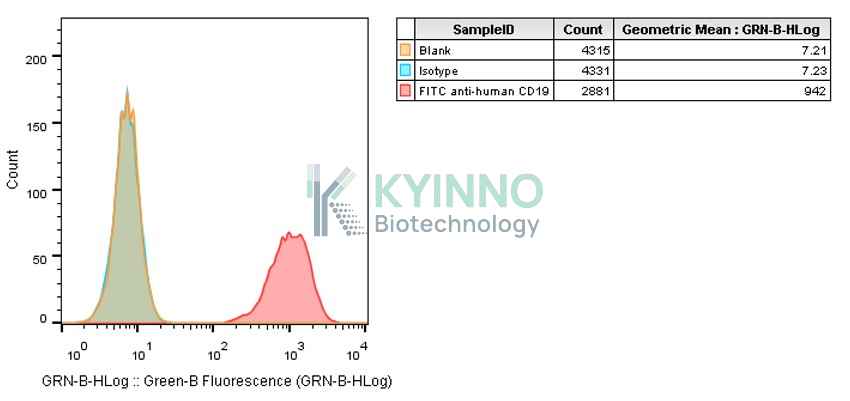
Figure 1: Characterization of human CD19 overexpression in the CHOK1-CD19 stable clone using FACS.

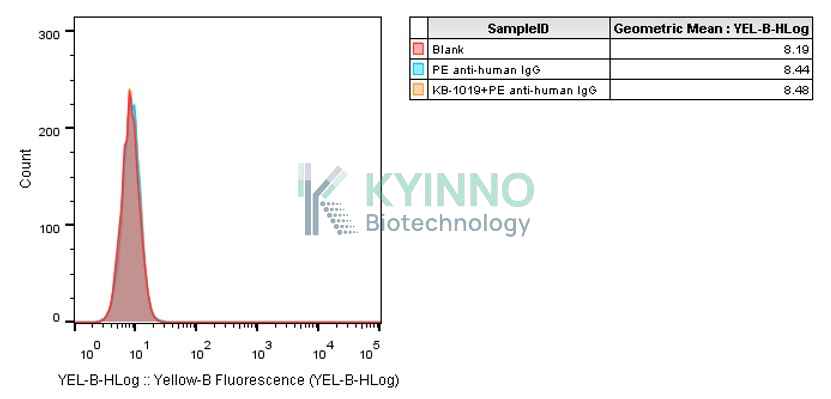
Figure 2: Characterization of endogenous CD19 expression in CHOK1 cells using FACS.

Cell Resuscitation

  1. Pre-warm complete culture medium (basal medium and 10% FBS) in a 37°C water bath.
  2. Rapidly thaw the cryovial in a 37°C water bath for 1-2 minutes with gentle agitation.
  3. Transfer the vial to a biosafety cabinet, and disinfect the exterior with 70% ethanol.
  4. Aseptically transfer the cell suspension dropwise into a sterile centrifuge tube containing 9.0 mL of pre-warmed complete medium.
  5. Centrifuge at approximately 125 × g for 5–7 minutes at room temperature, carefully aspirate the supernatant without disturbing the cell pellet.
  6. Gently resuspend the pellet in an appropriate volume of complete medium and transfer the suspension into a T25 flask.
  7. Incubate the flask in a 37°C in a humidified 5% CO2 incubator.
  8. Assess cell viability and morphology after 24 hours. If cells appear healthy, replace the medium with fresh medium supplemented with the appropriate selective antibiotic.
  9. Subculture the cells at a ratio of 1:4-1:8 every 2-3 days upon reaching 80%–90% confluency.

Cell Freezing

  1. Prepare the freezing medium (70% basal medium, 20% FBS and 10% DMSO) freshly before use.
  2. Pre-chill the freezing medium on ice and label the cryovials accordingly.
  3. Transfer the cell suspension to a sterile conical tube and perform a cell count to determine total viability and density.
  4. Centrifuge the cells at 250×g for 5 minutes at room temperature; carefully aspirate the supernatant.
  5. Gently resuspend the cell pellet in chilled freezing medium, ensuring a minimum cell density of 3×10⁶ cells/mL.
  6. Aliquot 1 mL of the cell suspension into each pre-labeled cryovial.
  7. Place the cryovials into a CoolCell® container and store at -80°C overnight for controlled-rate cooling.
  8. Transfer the cryovials to the liquid nitrogen for long-term storage the following day.

References

1. Ying, Zhitao et al. “A safe and potent anti-CD19 CAR T cell therapy.” Nature medicine vol. 25,6 (2019): 947-953. doi:10.1038/s41591-019-0421-7.
2. Kochenderfer, James N et al. “Adoptive transfer of syngeneic T cells transduced with a chimeric antigen receptor that recognizes murine CD19 can eradicate lymphoma and normal B cells.” Blood vol. 116,19 (2010): 3875-86. doi:10.1182/blood-2010-01-265041.
3. Kang, Chung Hyo et al. “Identification of Potent CD19 scFv for CAR T Cells through scFv Screening with NK/T-Cell Line.” International journal of molecular sciences vol. 21,23 9163. 1 Dec. 2020, doi:10.3390/ijms21239163.
4. Li, Xinchen et al. “CD19, from bench to bedside.” Immunology letters vol. 183 (2017): 86-95. doi:10.1016/j.imlet.2017.01.010.
Please enable JavaScript in your browser to complete this form.