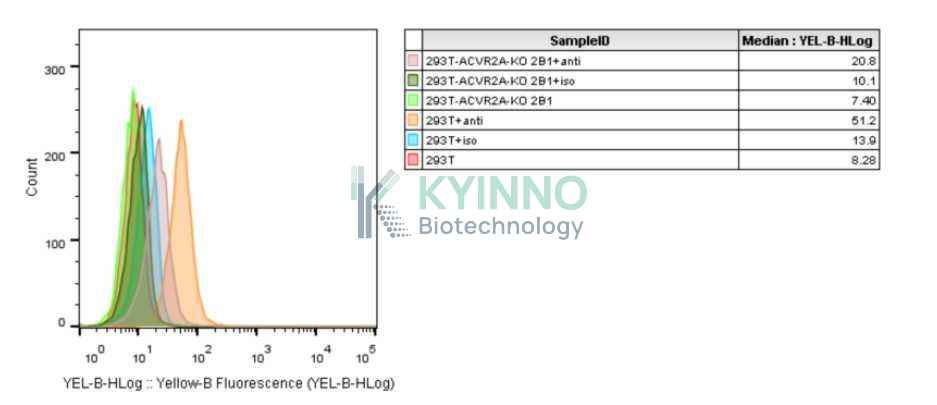
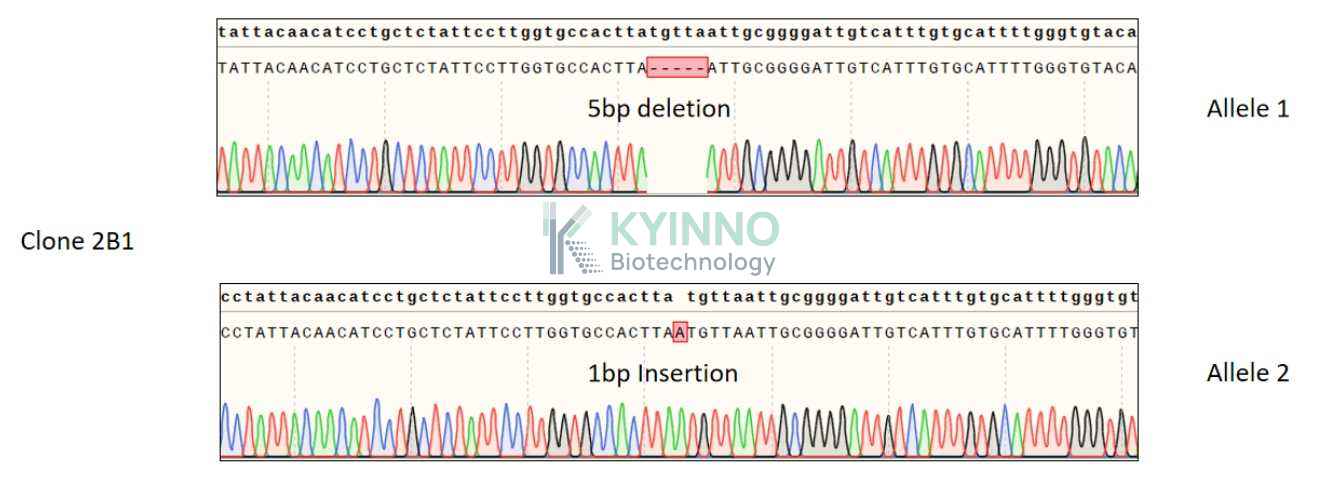
ACVR2A gene, also called ACVR2, ACTRII, or ACTRIIA, is located on the long arm of chromosome 2 (location 2q22.2-q23.3) and has the overall length of 83.3 kb. The lead role of a protein encoded by this gene is the mediation of activin functions. The activin A receptor type 2A (ACVR2A) is constructed of 513 amino acids, and consists of an extracellular, a transmembrane and a cytoplasmic serine-threonine kinase domains. Except for the ability to transfer phosphate groups, the protein exhibits transferase and tyrosine kinase activity. Signal transduction begins with the connection of activin to the ACVR2 extracellular domain and the formation of heterodimer complex with ACVR1. Firstly, there is a phosphorylation of ACVR1 and intracellular effector proteins SMAD2 and SMAD3. Phosphorylated SMAD2 and SMAD3 form a complex with SMAD4, which is transported into the cell nucleus to regulate gene transcription.
ACVR2A is a ligand of activin A protein, which is an important regulator of pregnancy. Activin A occurs physiologically, e.g., in the endometrium, placenta and vascular endothelium and regulates the remodeling of the uterine spiral arteries, which are reduced in preeclampsia. The elevated level of activin A in the serum of women with preeclampsia has been documented and for this reason is considered as a preeclampsia marker. In addition to the ACVR2A mutations in preeclampsia, vascular dysfunction leading to hypertension, proteinuria, or edema are reported. Many sources also indicate the potential impact of ACVR2A gene mutations on multiple synostoses syndrome. Wang et al. (2014) demonstrated that the ACVR2A protein level correlates with the severity of sepsis. The contribution of ACVR2A has also been confirmed in the gastrulation, spermatocytogenesis and spermiogenesis processes.