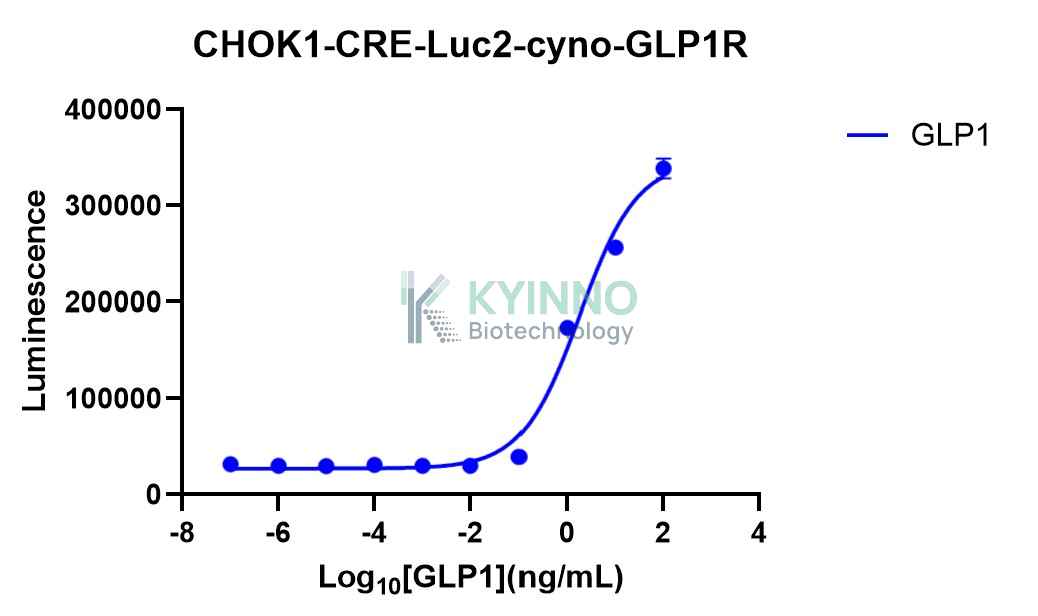
Cyclic adenosine monophosphate (cAMP) is a second messenger involved in cell signaling that regulates variousl physiological and pathological processes. cAMP regulates the transcription of target genes by activating proteinl kinase A (PKA) and the transcription factor cAMP response element-binding protein (CREB). CRE is the target of many extracellular and intracellular signaling pathways, including cAMP, calcium,l GPCR (G-protein coupled receptors), and neurotrophins. The CAMP/PKA/CREB signaling pathway has both tumor-suppressive and tumor-promoting effects in cancer cells and can be useful in studying cancer signaling pathways. GLP1R (Glucagon-Like Peptide-1 Receptor) is a G protein-coupled receptor that plays a crucial role in glucose homeostasis and insulin secretion. It is primarily expressed in pancreatic beta cells, where it responds to the binding of glucagon-like peptide-1 (GLP-1), a hormone released from the intestine after meals. Activation of GLP1R stimulates insulin release, enhances beta cell proliferation, and suppresses glucagon secretion, thereby regulating blood glucose levels. GLP1R is also expressed in other tissues, including the brain, heart, and gastrointestinal tract, where it modulates various physiological processes. Mutations in the GLP1R gene have been linked to impaired glucose tolerance and type 2 diabetes mellitus (T2DM). Additionally, GLP1R agonists, such as exenatide and liraglutide, are widely used in the treatment of T2DM due to their ability to improve glycemic control and promote weight loss. Recent research has also explored the potential of GLP1R agonists in treating cardiovascular diseases and neurodegenerative disorders.