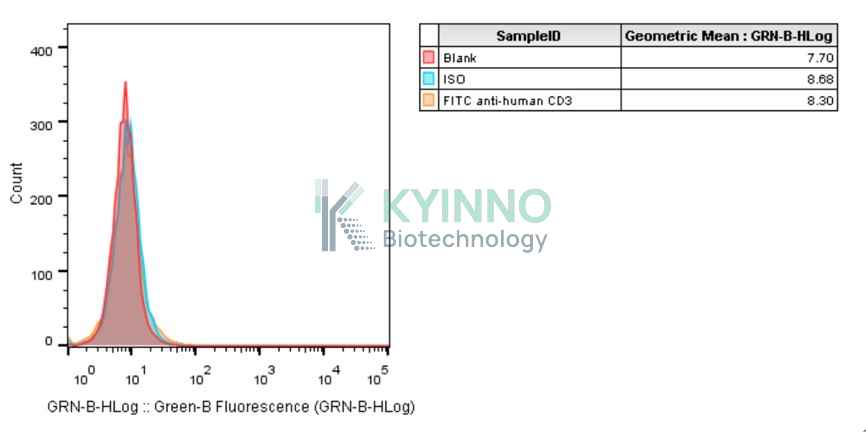
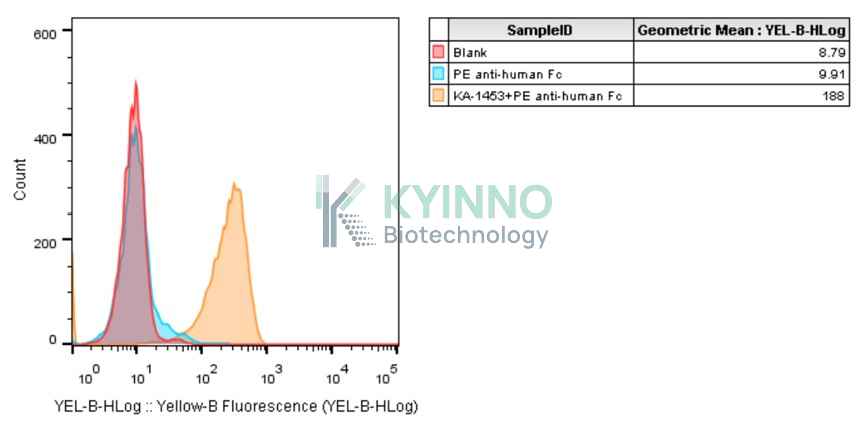
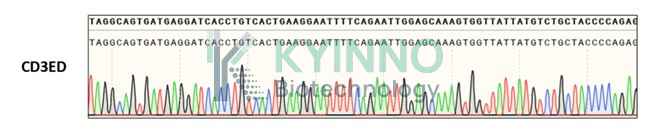
The CD3 antigen is an important marker on the surface of T cells, and it forms the TCR/CD3 receptor complex with the T-cell receptor (TCR) through non-covalent bonds. The CD3 complex includes four protein chains: CD3δ, CD3ε, CD3γ, and CD3ζ. Among these, the CD3δ/CD3ε and CD3γ/CD3ε form heterodimers with the α/β chains of the TCR to create the TCR-CD3 complex.After stimulation by antigens, conformational changes occur in the cytoplasmic tail regions of the CD3 complex. Proteins such as LCK (lymphocyte-specific protein tyrosine kinase) and Src family protein tyrosine kinases phosphorylate the tyrosine residues within the ITAMs (immunoreceptor tyrosine-based activation motifs) of the CD3 complex, creating binding sites for proteins with SH2 domains. Additionally, ZAP70 and the linker for activation of T cells (LAT) are phosphorylated, leading to the activation of downstream pathways, such as MAPK (mitogen-activated protein kinase) and NF-κB signaling cascades. Under the influence of multiple transcription factors, this can result in T cell proliferation, migration, cytokine production, and effector functions.