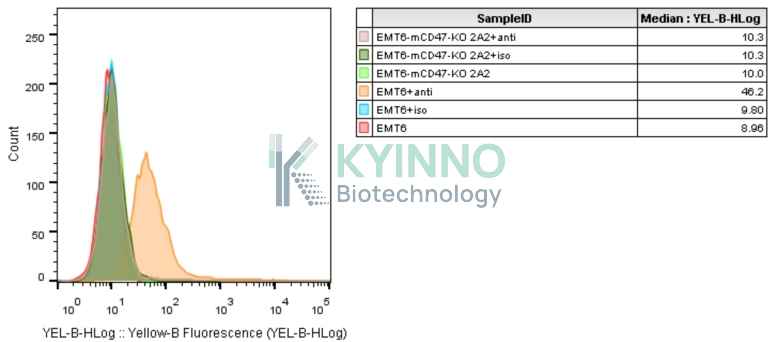
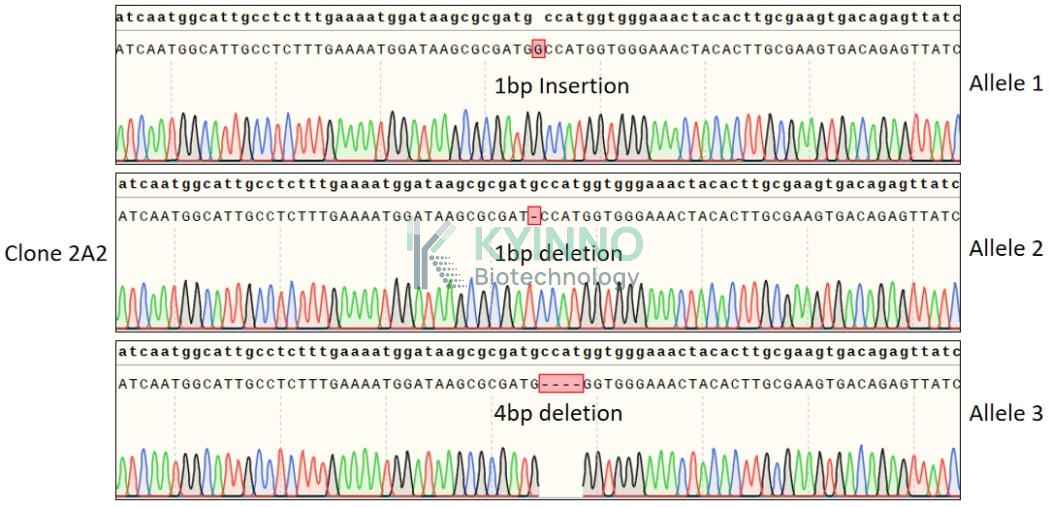
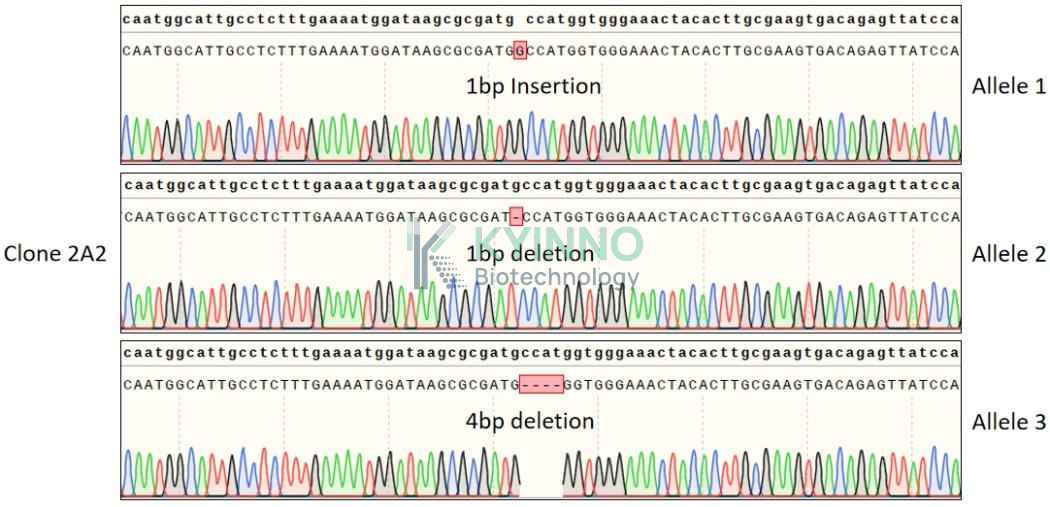
The CD47 gene in mice (officially named Cd47, located on chromosome 2 in Mus musculus) encodes a heavily glycosylated cell surface protein that interacts with its ligand, signal regulatory protein alpha (SIRPα), to regulate critical cellular processes including immune cell function, apoptosis, and cell proliferation. Specifically, Cd47 overexpression on cancer cells effectively inhibits phagocytosis by macrophages, thereby promoting tumor growth and metastasis. Investigations using genetically modified mouse models have elucidated the therapeutic potential of targeting Cd47 in cancer therapy. For example, blocking Cd47-SIRPα interactions using monoclonal antibodies led to enhanced macrophage-mediated tumor cell phagocytosis and tumor regression in preclinical models of various cancers. Further research has explored the complex interplay between Cd47 and other immune checkpoint regulators, revealing potential synergistic effects when combined in cancer immunotherapy regimensThese insights underscore the multifaceted nature of Cd47 biology and its attractiveness as a therapeutic target.