
KC-4173

Jurkat-CD3D-CD3E-KO-2A2-Cell-Line

×
Please enable JavaScript in your browser to complete this form.
42387
Home » Jurkat-CD3D-CD3E-KO-2A2-Cell-Line

Background of Jurkat-CD3D-CD3E-KO-2A2-Cell-Line

The protein encoded by CD3D is part of the T-cell receptor/CD3 complex (TCR/CD3 complex) and is involved in T-cell development and signal transduction. The encoded membrane protein represents the delta subunit of the CD3 complex, and along with four other CD3 subunits, binds either TCR alpha/beta or TCR gamma/delta to form the TCR/CD3 complex on the surface of T-cells. Defects in this gene are a cause of severe combined immunodeficiency autosomal recessive T-cell-negative/B-cell-positive/NK-cell-positive (SCIDBNK).
The protein encoded by CD3E is the CD3-epsilon polypeptide, which together with CD3-gamma, -delta and -zeta, and the T-cell receptor alpha/beta and gamma/delta heterodimers, forms the T-cell receptor-CD3 complex. This complex plays an important role in coupling antigen recognition to several intracellular signal-transduction pathways. The genes encoding the epsilon, gamma and delta polypeptides are located in the same cluster on chromosome 11. The epsilon polypeptide plays an essential role in T-cell development. Defects in this gene cause immunodeficiency.

Specifications

Catalog NumberKC-4173
Cell Line NameJurkat-CD3D-CD3E-KO-2A2-Cell-Line
Host Cell LineJurkat-CD3E-KO-1A1
DescriptionStable Jurkat-CD3E-KO clone with human CD3D gene knockout, No.2A2
QuantityTwo vials of frozen cells (≥2-106/vial)
StabilityStable in culture over a minimum of 10 passages
ApplicationDrug screening and biological assays
Freezing MediumRPMI1640+20% FBS+10% DMSO
Propagation MediumRPMI1640+10% FBS
Selection MarkerN/A
MorphologyLymphoblast
SubcultureSplit saturated culture 1:4-1:6 every 2-3 days; seed out at about 1-3 × 10⁵ cells/mL
Incubation37 °C with 5% CO2
StorageLiquid nitrogen immediately upon receiving
Doubling TimeApproximately 26 hours
Mycoplasma StatusNegative
In Vivo ValidationNA

Cell Line Generation

Characterization

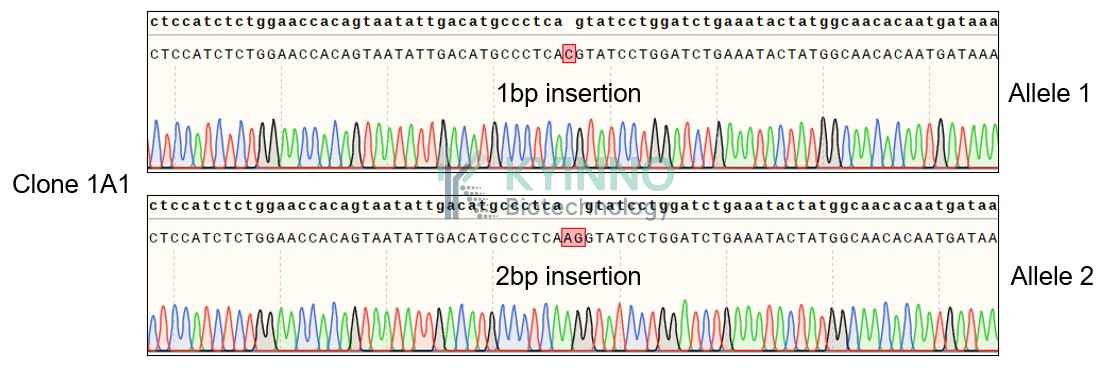
Figure 1: Characterization of CD3E knockout in Jurkat using PCR sequencing.
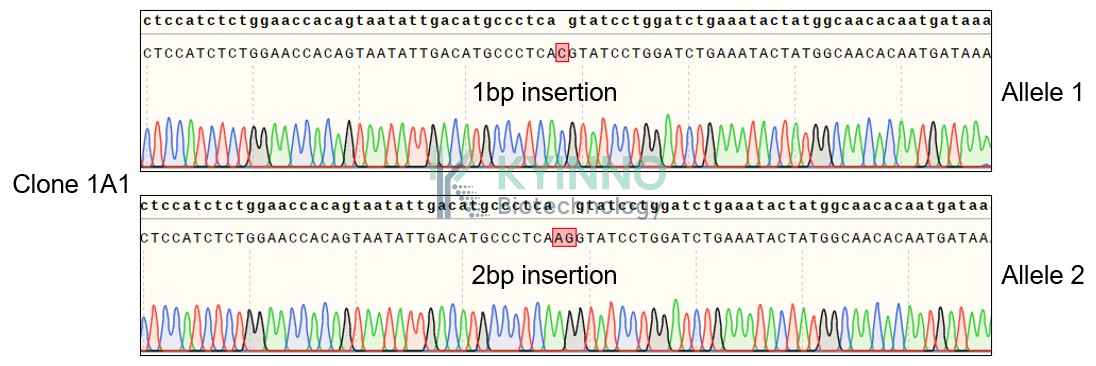
Figure 2: Characterization of CD3E knockout in Jurkat using RT-PCR sequencing.
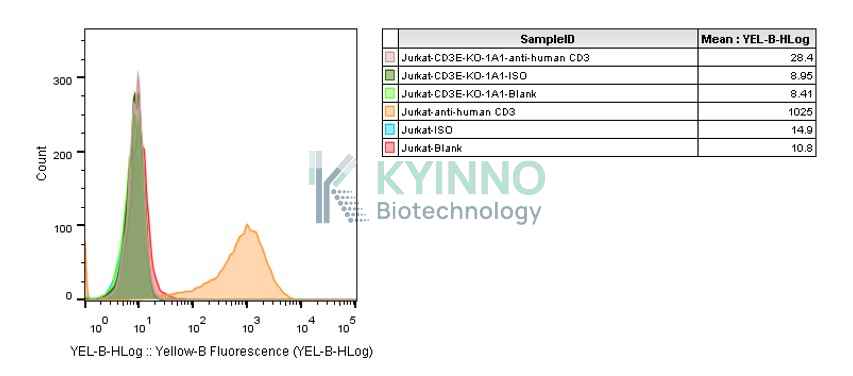
Figure 3: Characterization of CD3E knockout in Jurkat using FACS.

Figure 4: Characterization of CD3D knockout in Jurkat-CD3E-KO using PCR sequencing.
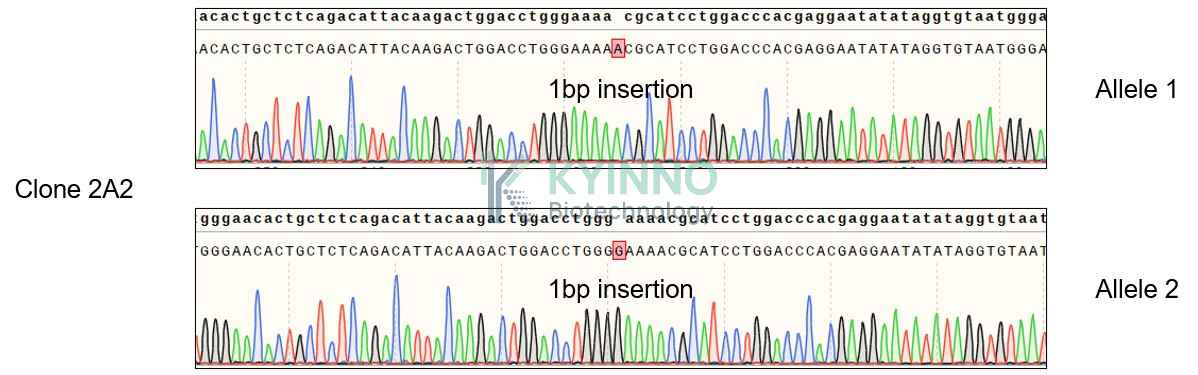
Figure 5: Characterization of CD3D knockout in Jurkat-CD3E-KO using RT-PCR sequencing.
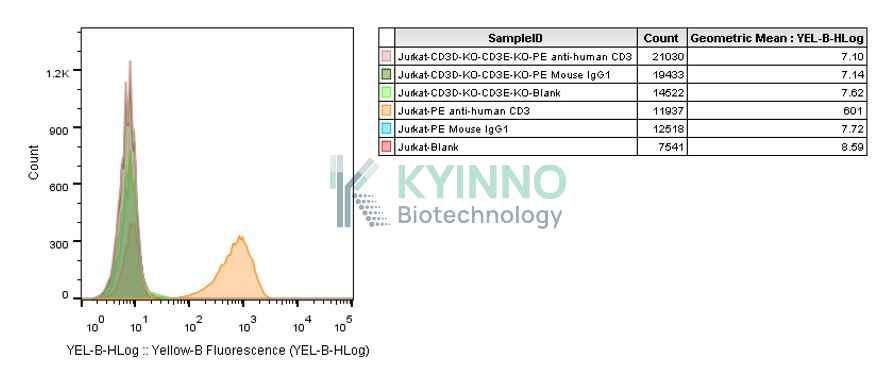
Figure 6: Characterization of CD3D knockout in Jurkat-CD3E-KO usingFACS.

Cell Resuscitation

Cell Freezing

References

1.https://www.ncbi.nlm.nih.gov/gene/915
2.https://www.ncbi.nlm.nih.gov/gene/916
Please enable JavaScript in your browser to complete this form.