KB-1053

AMG110-Epcam-hIgG1

×
Please enable JavaScript in your browser to complete this form.
45113
Home » AMG110-Epcam-hIgG1

Background of AMG110-Epcam-hIgG1

Epithelial cell adhesion molecule (EpCAM), also referred to as CD326, is a transmembrane glycoprotein that facilitates Ca2+-independent homotypic cell-cell adhesion in epithelial tissues. Beyond its role in adhesion, EpCAM is integral to various cellular processes including signaling, migration, proliferation, and differentiation. Notably, it possesses oncogenic potential by upregulating key genes such as c-myc, e-fabp, and cyclins A and E. EpCAM is uniquely expressed in epithelial tissues and epithelial-derived neoplasms, making it a valuable diagnostic marker for several cancers. Its involvement in tumorigenesis and metastasis suggests that EpCAM could serve not only as a prognostic marker but also as a target for immunotherapeutic strategies.

Specifications

Catalog NumberKB-1053
Antibody NameAMG110-Epcam-hIgG1
IsotypeHuman IgG1,kappa
FC MuationsS228P/L235E
TargetEpcam
Species ReactivityHuman
Host Cell LineEXPI CHO
Purification MethodAffinity purified
Concentration>2 mg/mL
Formulation50 mM sodium citrate,150mM NaCl,pH5.5
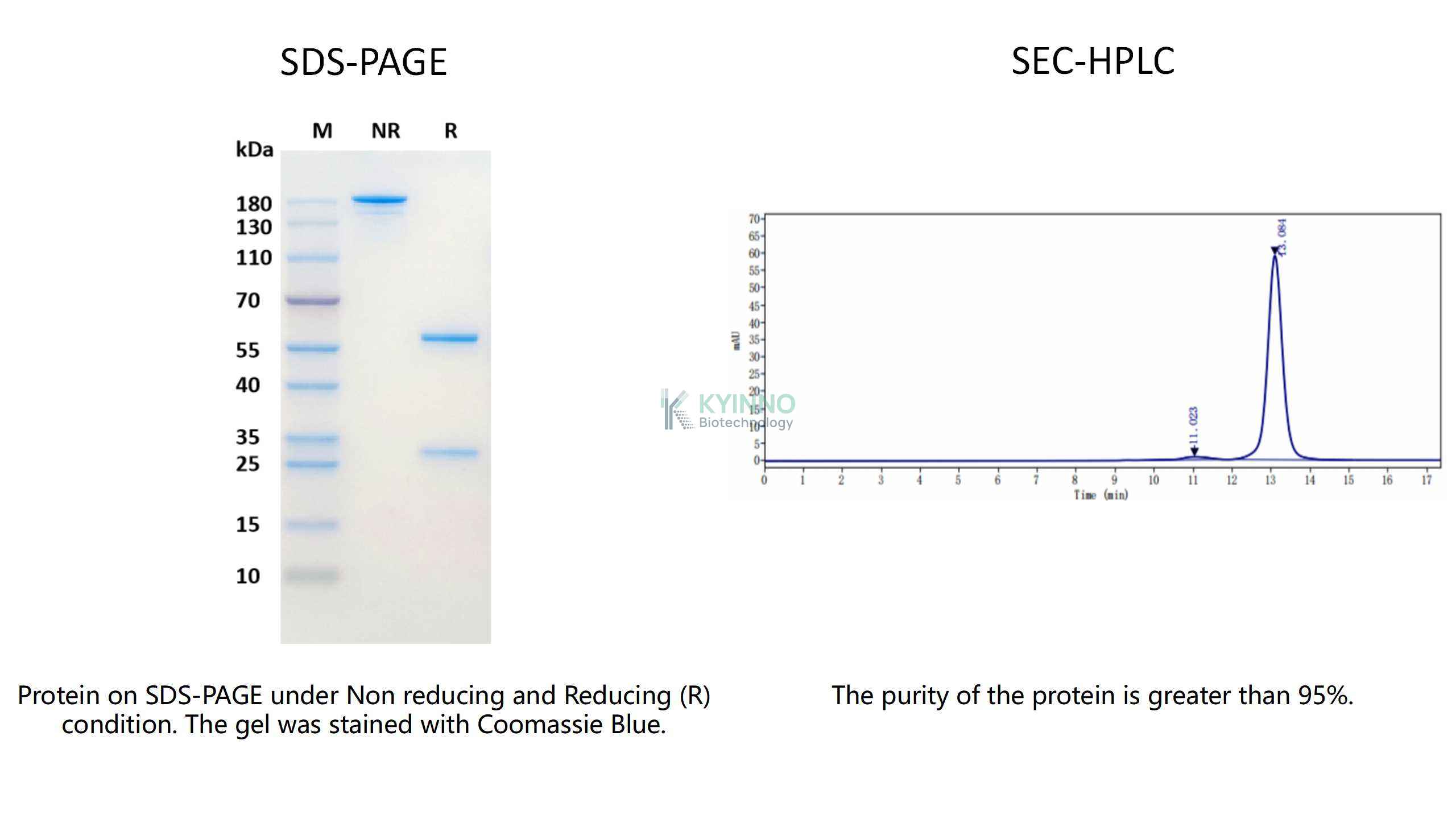
Purity>95% by SDS-PAGE and SEC-HPLC
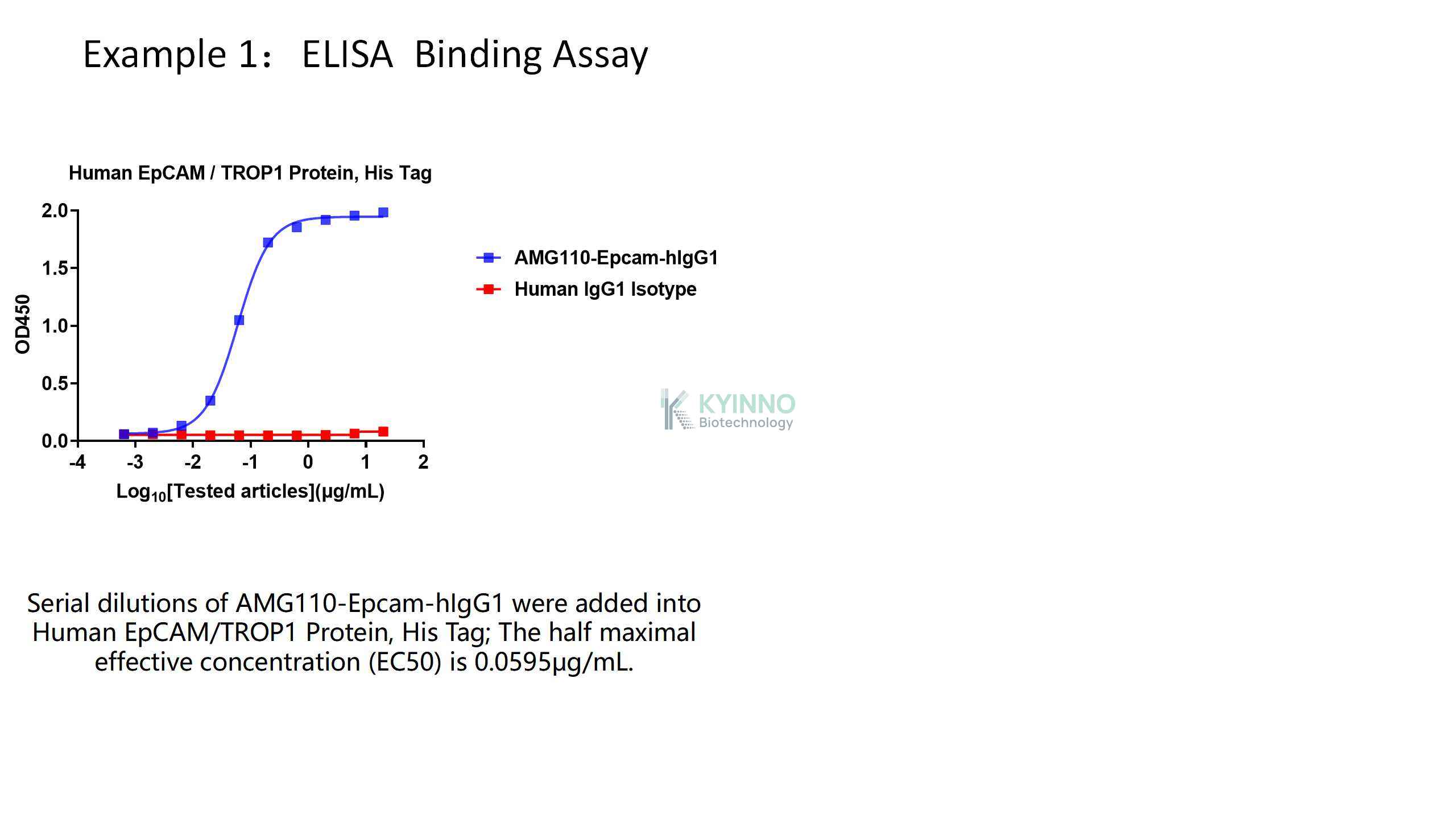
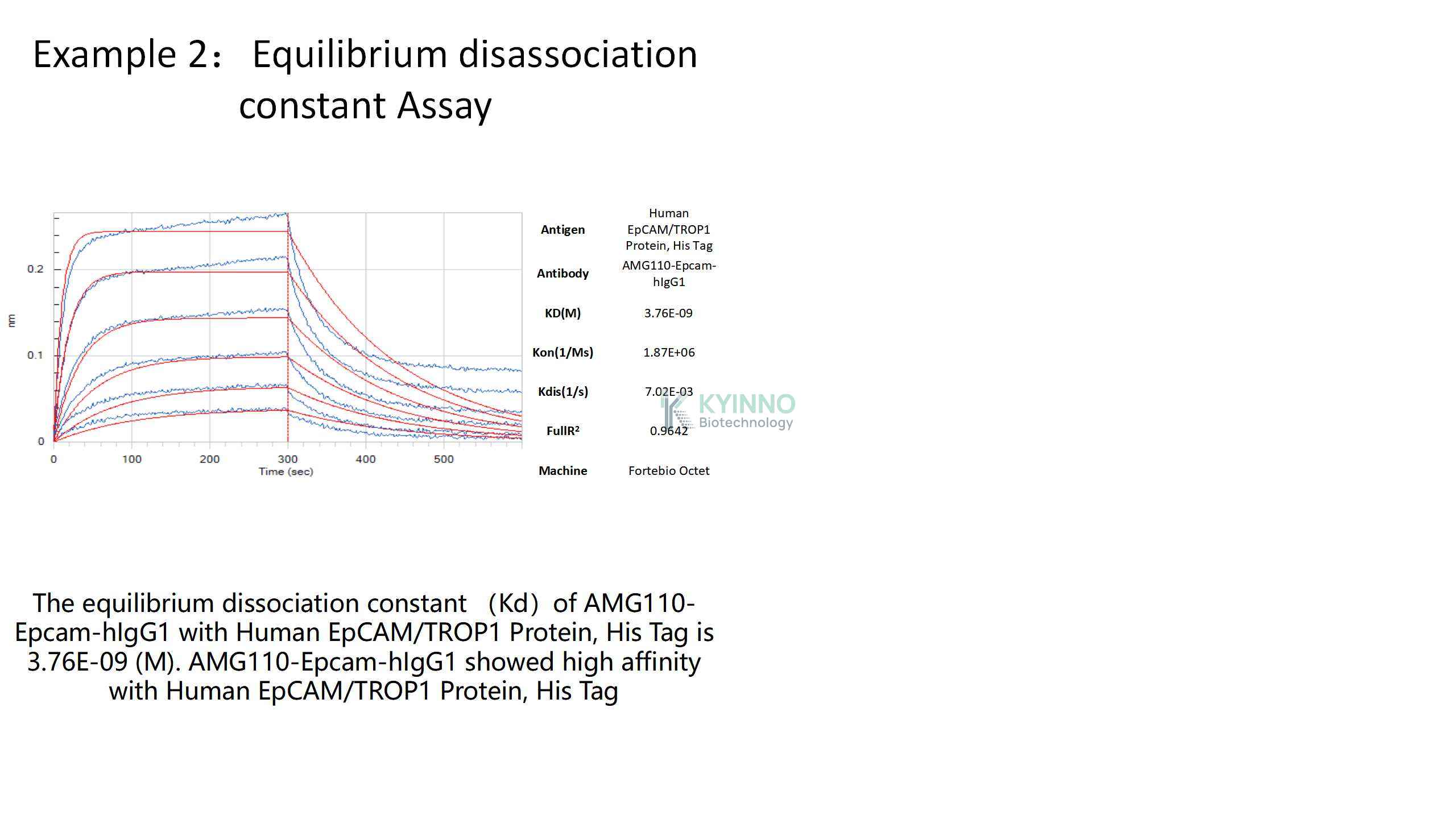
ValidationELISA|KD
Endotoxin Level<0.2 EU/mg as determined by the LAL method
Sterility0.2μm filtered
StorageIt is recommended that the protein should be aliquoted for optimal storage.
Avoid repeated freeze-thaw cycles.
StabilityStable for twelve months from date of receipt when stored at -20°C to -80°C;
Stored at 2-8°C for one month without detectable loss of activity.

Characterization

Application

References

  1. Litvinov SV, Velders MP, Bakker HA, Fleuren GJ, Warnaar SO (April 1994). "Ep-CAM: a human epithelial antigen is a homophilic cell-cell adhesion molecule". The Journal of Cell Biology. 125 (2): 437–46.
  2. Osta WA, Chen Y, Mikhitarian K, Mitas M, Salem M, Hannun YA, et al. (August 2004). "EpCAM is overexpressed in breast cancer and is a potential target for breast cancer gene therapy". Cancer Research. 64 (16): 5818–24.
Please enable JavaScript in your browser to complete this form.