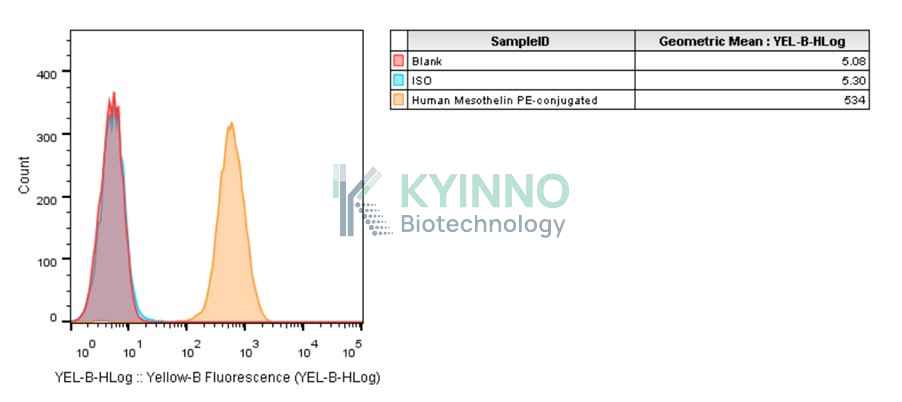
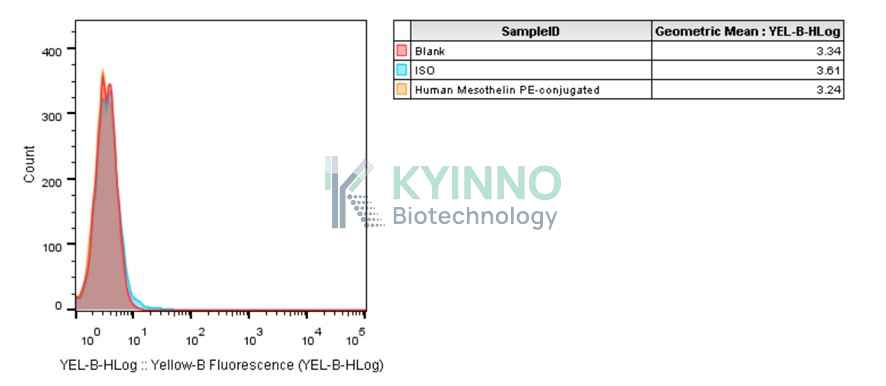
Mesothelin (MSLN) is a cell surface glycoprotein normally expressed on serosal tissues such as pleura, pericardium, and peritoneum, but is not in the parenchyma of any vital organs. It is commonly expressed on a number of solid tumors, such as mesothelioma, pancreatic adenocarcinoma, ovarian cancer and others. It has no known physiologic function, but may play a role in tumorigenesis and malignancy. Preclinical and clinical studies showed that aberrant MSLN expression on tumor cells plays an important role in promoting proliferation and invasion. MSLN has also been identified as a receptor of CA125 that mediates cell adhesion. The interaction of CA125 and MSLN plays an important role in ovarian cancer cell peritoneal implantation and increases the motility and invasion of pancreatic carcinoma cells. The overexpression of MSLN could activate the NFκB, MAPK, and PI3K pathways and subsequently induce resistance to apoptosis or promote cell proliferation, migration, and metastasis by inducing the activation and expression of MMP7 and MMP9. Because of its strong differential expression, it has become a popular target for a directed anti-neoplastic therapies, including monoclonal antibodies, antibody-drug conjugates (ADCs), radioimmunotherapy (RIT), CAR-T cells, and vaccines.