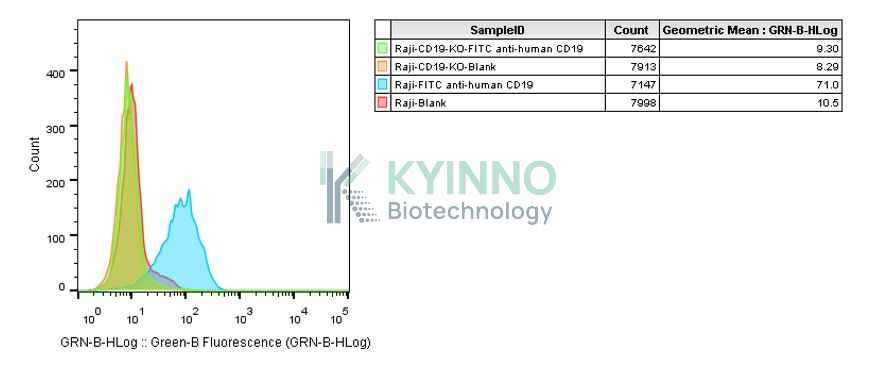
The CD19 gene, located on chromosome 16p11.2, encodes a transmembrane protein that plays a crucial role in B cell development and activation. CD19 forms a complex with CD21, CD81, and CD225, enhancing B cell receptor (BCR) signaling and lowering the threshold for B cell activation. This interaction is essential for the adaptive immune response, including the differentiation of B cells into antibody-secreting plasma cells and memory B cells. Recently, CD19 has emerged as a key target in cancer immunotherapy. Chimeric antigen receptor (CAR) T-cell therapy, which involves genetically modifying T cells to recognize and attack CD19-expressing B cells, has shown remarkable success in treating B cell malignancies such as acute lymphoblastic leukemia (ALL) and diffuse large B-cell lymphoma (DLBCL). Understanding the role of CD19 is vital for advancing immunotherapeutic strategies.