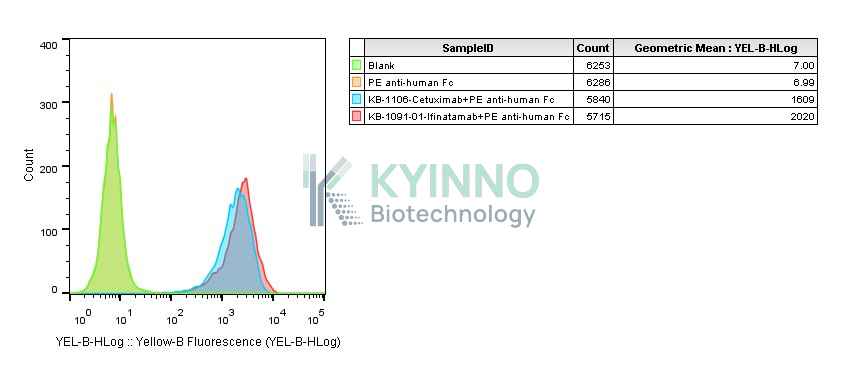
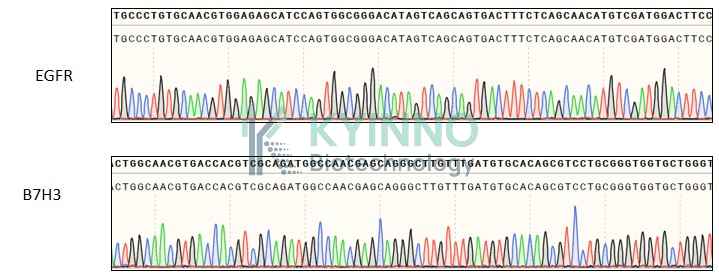
Epidermal Growth Factor Receptor (EGFR) is a transmembrane glycoprotein that constitutes one of the four members of ErbB family of tyrosine kinase receptors. Activation of EGFR leads to autophosphorylation of receptor tyrosine kinase that initiates a cascade of downstream signaling pathways involved in regulating cellular proliferation, differentiation, and survival. EGFR is abnormally activated by various mechanisms like receptor overexpression, mutation, ligand-dependent receptor dimerization, ligand-independent activation and is associated with the development of variety of human cancers.
The immune checkpoint molecule B7-H3, also known as CD276, is a membrane protein member of the B7-CD28 family of immunomodulatory proteins, a type I membrane protein that is sequence-similar to the extracellular domain of programmed death receptor-1 (PD-L1). It is a newly identified immunoregulatory protein member of the B7 family, is an attractive and promising target for cancer immunotherapy because it is overexpressed in tumor tissues while showing limited expression in normal tissues and participating in tumor microenvironment (TME) shaping and development.