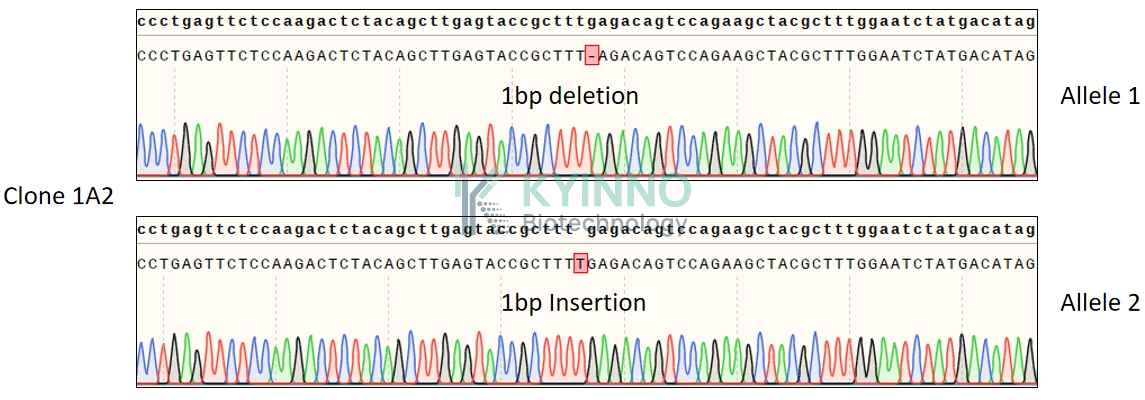
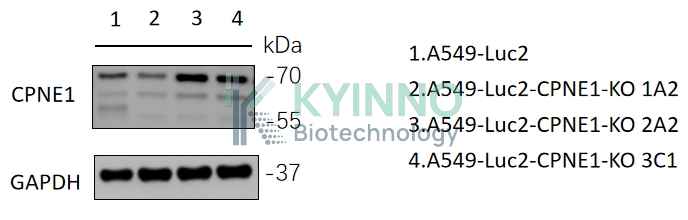
Copine 1 (CPNE1), as a member of calcium-dependent phospholipid binding protein, is located on chromosome 20q11.21 region and expressed in various tissues and organs. CPNE1 is consisted of two tandem N-terminal C2 domains (C2A and C2B) associated with calcium-dependent phospholipid binding activities and a C-terminal A domain (von Willebrand factor) functioning as protein-binding domains. CPNE1 participates in various biological process. CPNE1 promotes neurite outgrowth via activating AKT phosphorylation and exerts an important role in the regulation of neural stem cell proliferation. In addition, proteomic profiling study demonstrated that CPNE1 may be a promising novel marker in ethanol-induced cardiotoxicity since expression of CPNE1 diminished after ethanol treatment in cardiomyocytes. CPNE1 regulates the half-life of NF-κB transcriptional responses through stimulating endoproteolysis of p65 protein. Moreover, downregulation of CPNE1 could induce senescence‐associated phenotypes. Recently, accumulating evidence indicates the key role of CPNE1 in tumorigenesis and malignant progression. It has been shown that high expression of CPNE1 predicts a poor prognosis in prostate cancer and triple-negative breast cancer. Furthermore, enhanced expression of CPNE1 promotes lung cancer growth and metastasis. CPNE1 also enhanced colorectal cancer cell growth, glycolysis and drug resistance via activating AKT-GLUT1/HK2 signaling pathway. Moreover, CPNE1 silencing can inhibit osteosarcoma cell migration and proliferation, suggesting a promising target for osteosarcoma therapy.