
KC-4972

Jurkat-CD2-KO Cell Line

×
Please enable JavaScript in your browser to complete this form.
53741
Home » Jurkat-CD2-KO Cell Line

Background of Jurkat-CD2-KO Cell Line

CD2, alternatively referred to as LFA-2, T11 or the SRBC receptor, is a type I transmembrane glycoprotein that belongs to the immunoglobulin superfamily (IgSF). CD2 expression is observed on all T lineage cells, NK cells, thymocytes, and a small subset of plasmacytoid DCs (pDCs). Notably, while murine B cells display widespread CD2 expression, only a minority of human B cells express CD2. The CD2 protein is composed of two ECDs, a transmembrane domain, and a cytoplasmic tail. Its ECD comprises a membrane-distal V-set IgSF domain (domain 1, D1) and a membrane-proximal C2-set IgSF domain (domain 2, D2). The core structures of the IgSF domains in rat and human CD2 closely resemble those of other IgSF domains. The adhesion function of the molecule is facilitated by the D1 domain, which binds to the corresponding ligand. In addition, CD2 clustering upon T-cell activation might involve the D2 domain.

Specifications

Catalog NumberKC-4972
Cell Line NameJurkat-CD2-KO Cell Line
Host Cell LineJurkat
DescriptionStable Jurkat clone with human CD2 gene knockout
QuantityTwo vials of frozen cells (≥2-106/vial)
StabilityStable in culture over a minimum of 10 passages
ApplicationDrug screening and biological assays
Freezing MediumRPMI1640+20% FBS+10% DMSO
Propagation MediumRPMI1640+10% FBS
Selection MarkerNA
MorphologyLymphoblast
SubcultureSplit saturated culture 1:4-1:6 every 2-3 days; seed out at about 1-3 × 10⁵ cells/mL
Incubation37 °C with 5% CO2
StorageLiquid nitrogen immediately upon receiving
Doubling TimeApproximately 26 hours
Mycoplasma StatusNegative

Cell Line Generation

Jurkat-CD2-KO cell line was generated using the CRISPR method.

Characterization

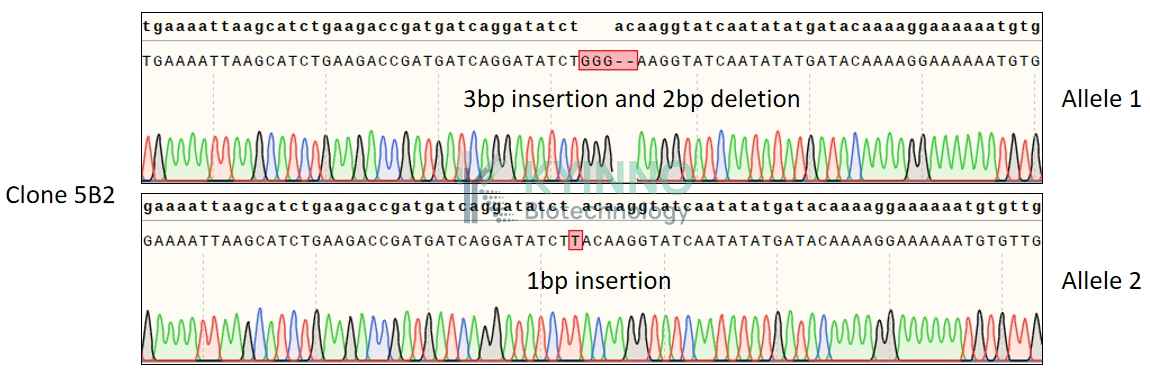
Figure 1: Characterization of Jurkat-CD2-KO cell line stable clone using PCR sequencing.
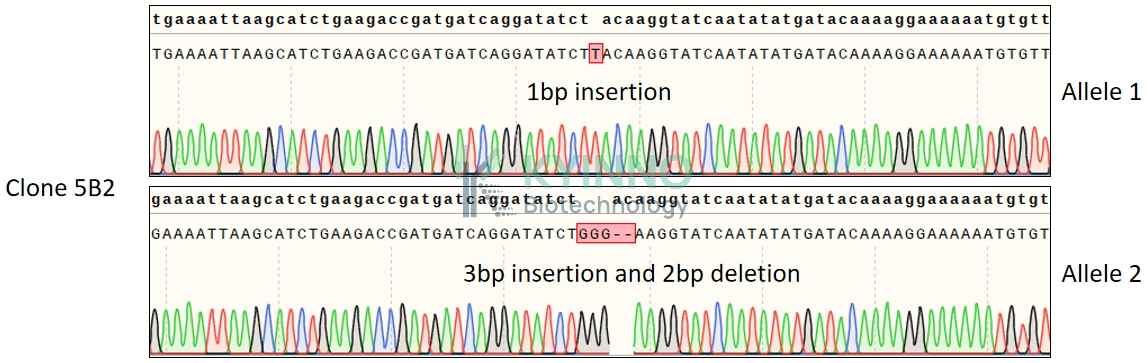
Figure 2: Characterization of Jurkat-CD2-KO cell line stable clone using RT-PCR sequencing.
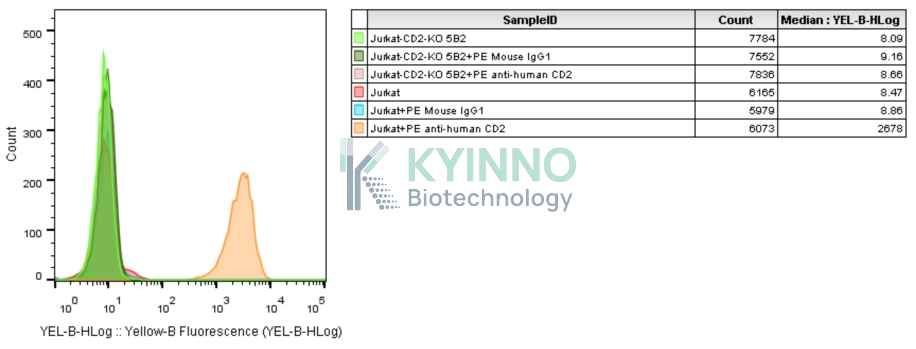
Figure 3: Characterization of the CD2 gene in Jurkat-CD2-KO cell line stable clone using FACS.
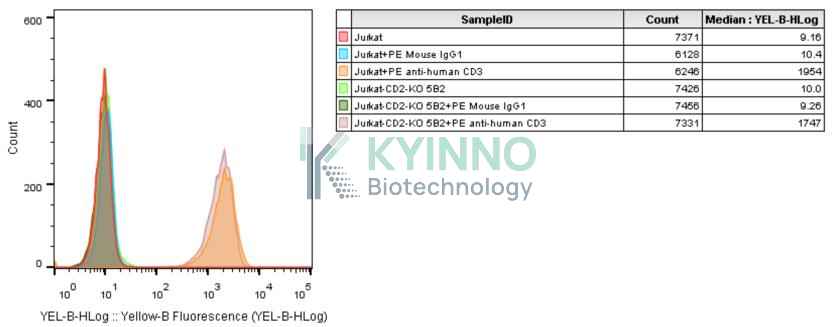
Figure 4: Characterization of the CD3 gene in Jurkat-CD2-KO cell line stable clone using FACS.
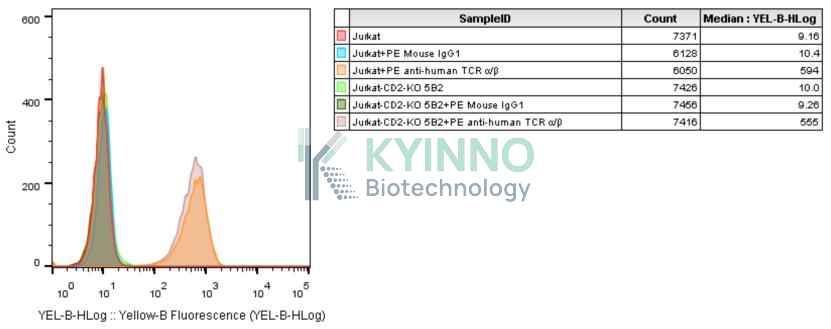
Figure 5: Characterization of the TCR α/β gene in Jurkat-CD2-KO cell line stable clone using FACS.
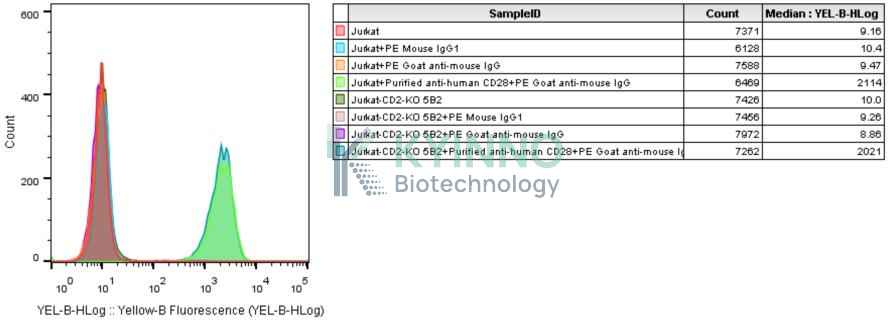
Figure 6: Characterization of the CD28 gene in Jurkat-CD2-KO cell line stable clone using FACS.

Cell Resuscitation

  1. Prewarm culture medium (RPMI1640+10% FBS)in a 37°C water bath.
  2. Thaw the frozen vial in a 37°C water bath for 1-2 minutes.
  3. Transfer the vial into biosafety cabinet, and wipe the surface with 70% ethanol.
  4. Unscrew the top of the vial and transfer the cell suspension gently into a sterile centrifuge tube containing 9.0mL complete culture medium.
  5. Spin at ~ 125 × g for 5-7 minutes at room temperature, and discard the supernatant without disturbing the pellet.
  6. Resuspend cell pellet with the appropriate volume of complete medium and transfer the cell suspension into a T25 culture flask.
  7. Incubate the flask at 37°C, 5% CO2 incubator.
  8. Split saturated culture 1:4-1:6 every 2-3 days; seed out at about 1-3 × 10⁵ cells/mL.

Cell Freezing

  1. Prepare the freezing medium (70% RPMI1640 + 20% FBS + 10% DMSO) fresh immediately before use.
  2. Keep the freezing medium on ice and label cryovials.
  3. Transfer cells to a sterile, conical centrifuge tube, and count the cells.
  4. Centrifuge the cells at 250×g for 5 minutes at room temperature and carefully aspirate off the medium.
  5. Resuspend the cells at a density of at least 3×10⁶ cells/mL in chilled freezing medium.
  6. Aliquot 1 mL of the cell suspension into each cryovial.
  7. Freeze cells in the CoolCell freezing container overnight in a -80°C freezer.
  8. Transfer vials to liquid nitrogen for long-term storage.

References

  1. Jo Y, Sim HI, Yun B, Park Y, Jin HS. Revisiting T-cell adhesion molecules as potential targets for cancer immunotherapy: CD226 and CD2. Exp Mol Med. 2024 Oct;56(10):2113-2126. doi: 10.1038/s12276-024-01317-9. Epub 2024 Oct 1. PMID: 39349829; PMCID: PMC11541569.
Please enable JavaScript in your browser to complete this form.