
KC-5485

CT26-KRAS-V8M-G12C-KI-Abcb1a-KO Cell Line

×
Please enable JavaScript in your browser to complete this form.
57865
Home » CT26-KRAS-V8M-G12C-KI-Abcb1a-KO Cell Line

Background of CT26-KRAS-V8M-G12C-KI-Abcb1a-KO Cell Line

ABCB1a (ATP-binding cassette sub-family B member 1a), also known as P-glycoprotein (P-gp), is encoded by the ABCB1 gene located on chromosome 7q21.12 and functions as a critical efflux transporter. This transporter is highly expressed in barrier tissues such as the blood-brain barrier, liver, and kidneys, playing a pivotal role in drug disposition and protection against xenobiotics. The ABCB1a protein catalyzes the ATP-dependent extrusion of a broad spectrum of endogenous compounds and exogenous drugs, including chemotherapeutic agents, out of cells. This reaction is essential for maintaining cellular homeostasis and modulating drug pharmacokinetics, linking ABCB1a activity to multidrug resistance (MDR) in cancers and variable therapeutic responses.

Specifications

Catalog NumberKC-5485
Cell Line NameCT26-KRAS-V8M-G12C-KI-Abcb1a-KO Cell Line
Clone Number1B3
Host Cell LineCT26-KRAS-G12C-KI
DescriptionStable CT26 clone with mouse Abca1a gene knockout.
QuantityTwo vials of frozen cells (≥2-106/vial)
StabilityStable in culture over a minimum of 10 passages
ApplicationDrug screening and biological assays
Freezing Medium70% RPMI1640 + 20% FBS + 10% DMSO
Propagation MediumRPMI1640 + 10% FBS
Selection MarkerNA
MorphologyEpithelial
SubcultureSplit saturated culture 1:4-1:5 every 1-2 days; seed out at about 1-3 × 10⁵ cells/mL
Incubation37 °C with 5% CO2
StorageLiquid nitrogen immediately upon receiving
Doubling TimeApproximately 30 hours
Mycoplasma StatusNegative

Cell Line Generation

CT26-KRAS-G12C-KI-Abcb1a-KO cell line was generated using the CRISPR method.

Characterization

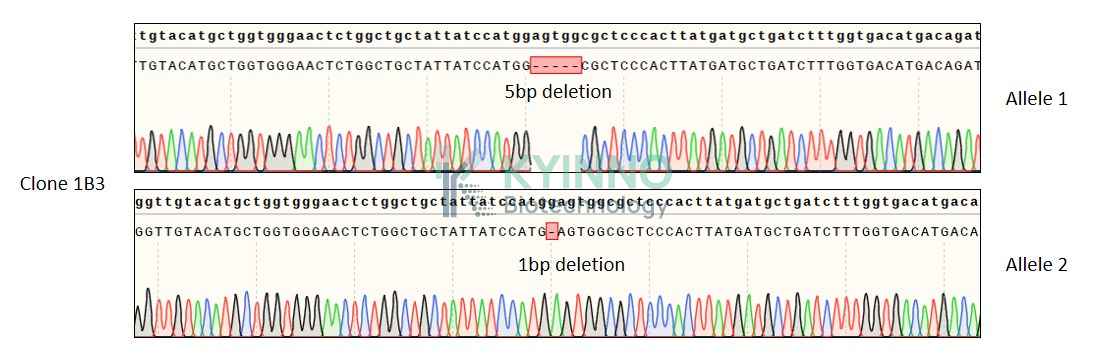
Figure 1: Characterization of CT26-KRAS-G12C-KI-Abcb1a-KO-1B3 cell line stable clone using PCR sequencing.
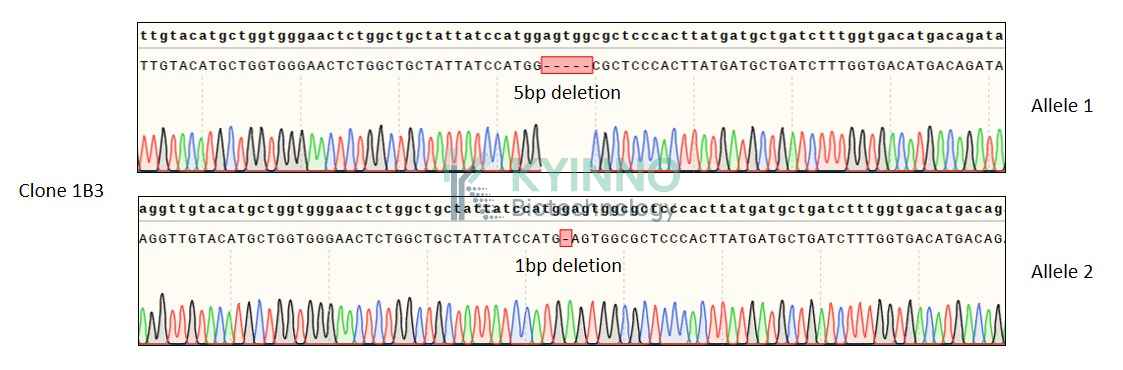
Figure 2: Characterization of CT26-KRAS-G12C-KI-Abcb1a-KO-1B3 cell line stable clone using RT-PCR sequencing.
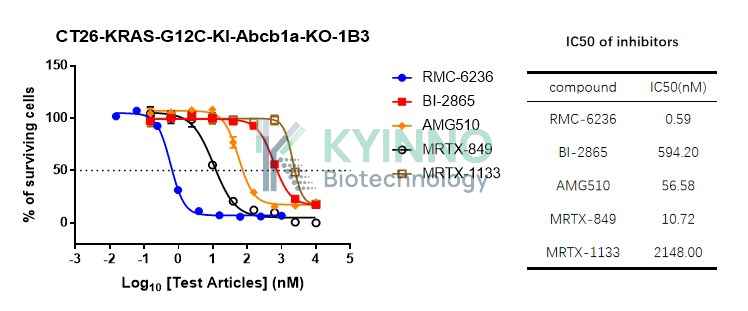
Figure 3: Characterization of dose-response curves for KRAS inhibitors on CT26-KRAS-G12C-KI-Abcb1a-KO cells.
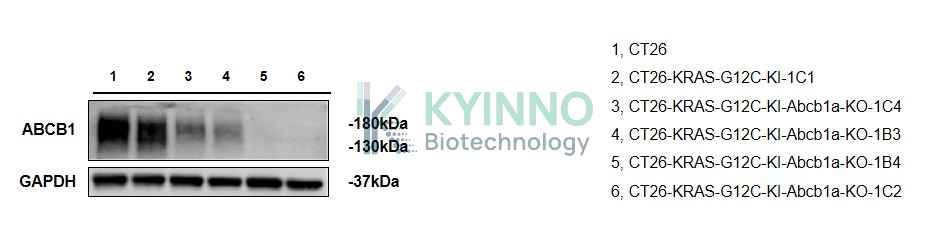
Figure 4:Characterization of CT26-KRAS-G12C-KI-Abcb1a-KO cell line stable clone using western blot.

Cell Resuscitation

  1. Prewarm culture medium (RPMI1640 + 10% FBS) in a 37°C water bath.
  2. Thaw the frozen vial in a 37°C water bath for 1-2 minutes.
  3. Transfer the vial into biosafety cabinet, and wipe the surface with 70% ethanol.
  4. Unscrew the top of the vial and transfer the cell suspension gently into a sterile centrifuge tube containing 9.0mL complete culture medium.
  5. Spin at ~ 125 × g for 5-7 minutes at room temperature, and discard the supernatant without disturbing the pellet.
  6. Resuspend cell pellet with the appropriate volume of complete medium and transfer the cell suspension into a T25 culture flask.
  7. Incubate the flask at 37°C, 5% CO2 incubator.
  8. Split saturated culture 1:4-1:5 every 1-2 days; seed out at about 1-3 × 10⁵ cells/mL.

Cell Freezing

  1. Prepare the freezing medium (70% RPMI1640 + 20% FBS + 10% DMSO) fresh immediately before use.
  2. Keep the freezing medium on ice and label cryovials.
  3. Transfer cells to a sterile, conical centrifuge tube, and count the cells.
  4. Centrifuge the cells at 250×g for 5 minutes at room temperature and carefully aspirate off the medium.
  5. Resuspend the cells at a density of at least 3×10⁶ cells/mL in chilled freezing medium.
  6. Aliquot 1 mL of the cell suspension into each cryovial.
  7. Freeze cells in the CoolCell freezing container overnight in a -80°C freezer.
  8. Transfer vials to liquid nitrogen for long-term storage.

References

  1. Salahud Din Z, Saqib M, Zafar S, Munawar N & Ahmed S. Variation in the ABC transporter genes and association with clinical outcomes in colorectal cancer: a brief review. Pharmacogenomics (2025) ; https://doi.org/10.1080/14622416.2025.2534319.
  2. Decaix T, Bouaziz-Amar E, Paquet C, et al. Revisiting ABCB1 polymorphism: a missing piece in Alzheimer’s risk and treatment?. Journal of Translational Medicine 23, 252 (2025); https://doi.org/10.1186/s12967-025-06272-1.
Please enable JavaScript in your browser to complete this form.