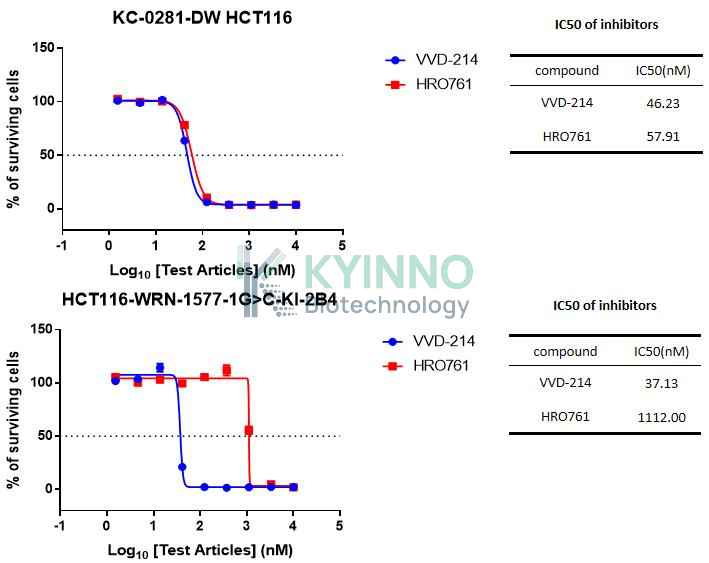
The WRN gene encodes a member of the RecQ helicase family, which plays a critical role in maintaining genomic stability through its involvement in DNA repair, replication, recombination, and telomere maintenance. Mutations in WRN are associated with Werner syndrome (WS), a rare autosomal recessive disorder characterized by premature aging, genomic instability, and increased cancer susceptibility. The WRN protein possesses 3′→5′ helicase and 3′→5′ exonuclease activities, both of which are essential for its function in DNA metabolism. Given its importance in preserving genomic integrity, understanding the functional consequences of WRN mutations is crucial for elucidating the molecular mechanisms underlying WS and related disorders.