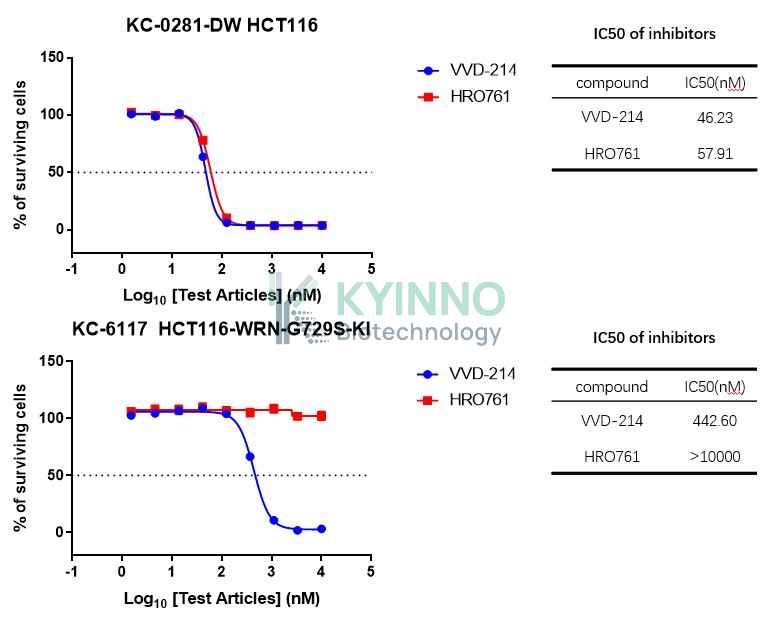
Located on human chromosome 8p12, the WRN gene belongs to the RecQ helicase family, encoding a protein with helicase and exonuclease activities critical for DNA repair, telomere maintenance, and genome stability. Biallelic WRN mutations cause Werner syndrome, an adult-onset premature aging disorder with symptoms like premature graying and cataracts. The rare homozygous G729S missense mutation links to a distinct phenotype: progressive pulmonary failure, recurrent spontaneous pneumothorax, and interstitial lung disease (ILD) in adolescents/young adults. Unlike classic Werner syndrome, it lacks typical premature aging features. In silico analyses suggest G729S impairs WRN’s exonuclease activity or stability, disrupting DNA repair/telomere pathways, highlighting WRN’s pleiotropic roles.