KC-5657

CHOK1-cyno-LGR5 Cell Line

×
Please enable JavaScript in your browser to complete this form.
63747
Home » CHOK1-cyno-LGR5 Cell Line

Background of CHOK1-cyno-LGR5 Cell Line

LGR5 (Leucine-rich repeat-containing G-protein coupled receptor 5) , also known as GPR49, is a seven-transmembrane receptor and a well-established marker of adult stem cells in intestinal epithelium, stomach, and hair follicles. It is a receptor for R-spondins, which potentiate Wnt/β-catenin signaling. LGR5 is frequently overexpressed in various human cancers, including colorectal cancer, gastric cancer, and hepatocellular carcinoma, where it drives tumor initiation, progression, and chemotherapy resistance. The cynomolgus monkey LGR5 (cyno-LGR5) shares high homology with human LGR5, making this cell line valuable for preclinical drug screening and antibody development targeting LGR5-positive cancers.

Specifications

Catalog NumberKC-5657
Cell Line NameCHOK1-cyno-LGR5 Cell Line
NCBI/UniProt Accession NumberXM_005571542.2
Clone Number6#
Host Cell LineCHOK1
DescriptionStable CHOK1 cell line expressing exogenous cyno LGR5 gene.
QuantityTwo vials of frozen cells (≥2-106/vial)
StabilityStable in culture over a minimum of 10 passages
ApplicationDrug screening and biological assays
Freezing Medium70% basal medium+20% FBS+10% DMSO
Propagation MediumRPMI1640+10% FBS+10μg/mL Puromycin
Selection MarkerPuromycin
MorphologyEpithelial-like
SubcultureSplit saturated culture 1:4-1:8 every 2-3 days
Incubation37 °C with 5% CO2
StorageLiquid nitrogen immediately upon receiving
Doubling TimeApproximately 30 hours
Mycoplasma StatusNegative
In Vivo ValidationNA

Cell Line Generation

The CHOK1-cyno-LGR5 cell line was generated using a lentiviral vector expressing the cyno LGR5 sequence.

Characterization

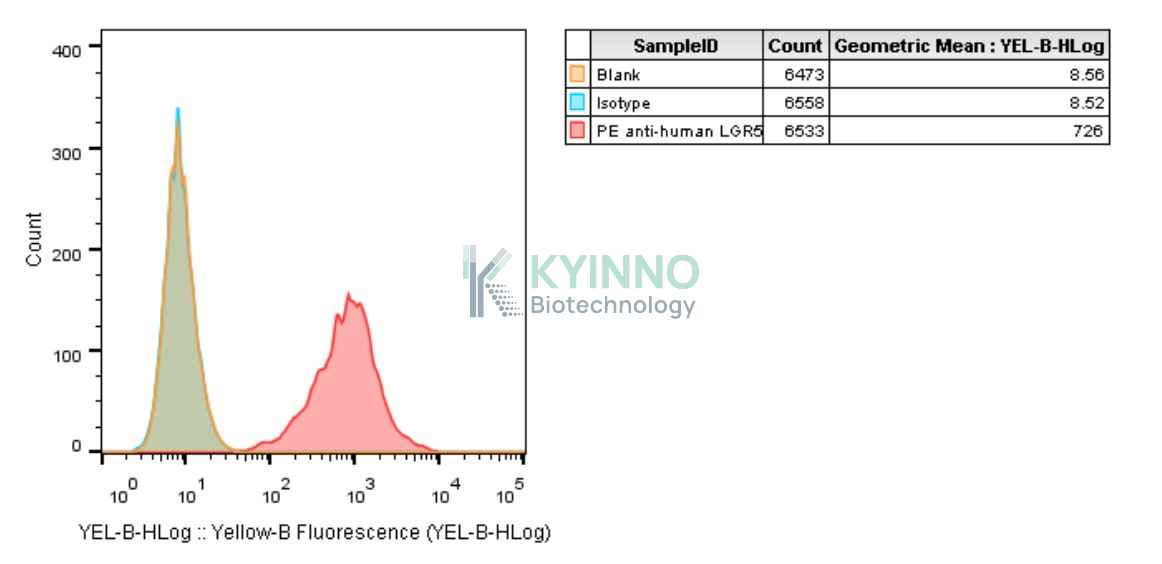
Figure 1: Characterization of cyno LGR5 overexpression in the CHOK1-cyno-LGR5 stable clone using FACS.

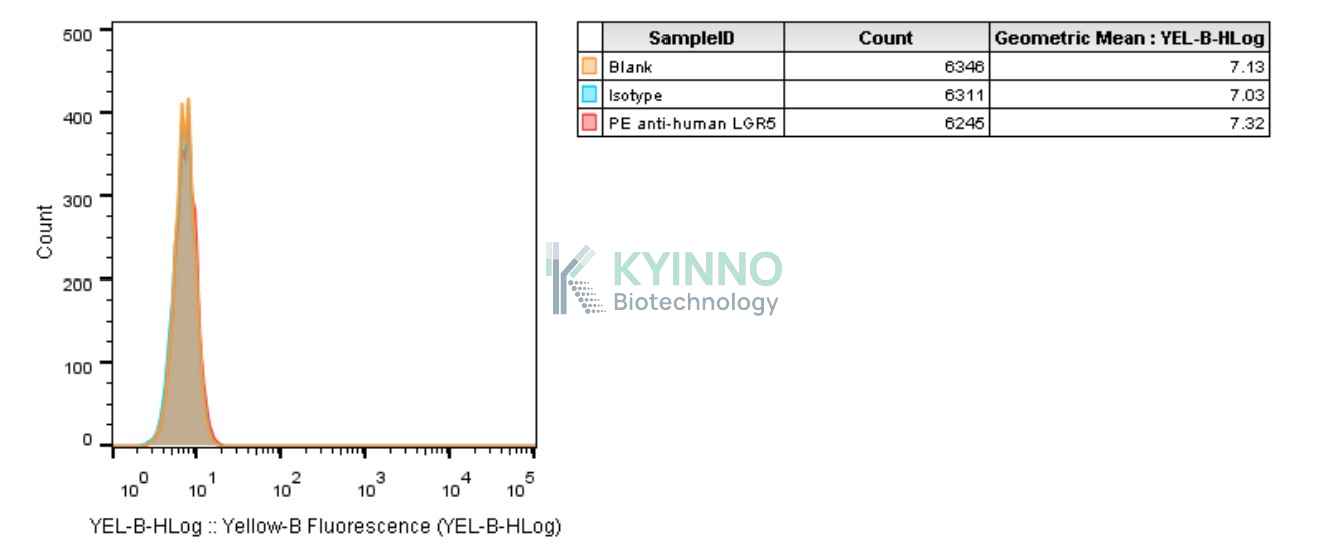
Figure 2: Characterization of endogenous LGR5 expression in CHOK1 cells using FACS.

Figure 3: Characterization of cyno LGR5 in the CHOK1-cyno-LGR5 stable clone using PCR sequencing.

Cell Resuscitation

  1. Pre-warm complete culture medium (basal medium and 10% FBS) in a 37°C water bath.
  2. Rapidly thaw the cryovial in a 37°C water bath for 1-2 minutes with gentle agitation.
  3. Transfer the vial to a biosafety cabinet, and disinfect the exterior with 70% ethanol.
  4. Aseptically transfer the cell suspension dropwise into a sterile centrifuge tube containing 9.0 mL of pre-warmed complete medium.
  5. Centrifuge at approximately 125 × g for 5–7 minutes at room temperature, carefully aspirate the supernatant without disturbing the cell pellet.
  6. Gently resuspend the pellet in an appropriate volume of complete medium and transfer the suspension into a T25 flask.
  7. Incubate the flask in a 37°C in a humidified 5% CO2 incubator.
  8. Assess cell viability and morphology after 24 hours. If cells appear healthy, replace the medium with fresh medium supplemented with the appropriate selective antibiotic.
  9. Subculture the cells at a ratio of 1:4-1:8 every 2-3 days upon reaching 80%–90% confluency.

Cell Freezing

  1. Prepare the freezing medium (70% basal medium, 20% FBS and 10% DMSO) freshly before use.
  2. Pre-chill the freezing medium on ice and label the cryovials accordingly.
  3. Transfer the cell suspension to a sterile conical tube and perform a cell count to determine total viability and density.
  4. Centrifuge the cells at 250×g for 5 minutes at room temperature; carefully aspirate the supernatant.
  5. Gently resuspend the cell pellet in chilled freezing medium, ensuring a minimum cell density of 3×10⁶ cells/mL.
  6. Aliquot 1 mL of the cell suspension into each pre-labeled cryovial.
  7. Place the cryovials into a CoolCell® container and store at -80°C overnight for controlled-rate cooling.
  8. Transfer the cryovials to the liquid nitrogen for long-term storage the following day.

References

1. Wang, Wanqi et al. “LGR5: An emerging therapeutic target for cancer metastasis and chemotherapy resistance.” Cancer metastasis reviews vol. 44,1 23. 17 Jan. 2025, doi:10.1007/s10555-024-10239-x
2. Patel, Yashvi, and Akhilesh Prajapati. “Unveiling LGR5: Prostate cancer's hidden stem cell and treatment target.” Urologic oncology vol. 42,12 (2024): 438-446. doi:10.1016/j.urolonc.2024.10.001
3. Lundberg, Ante S et al. “Petosemtamab, a Bispecific Antibody Targeting Epidermal Growth Factor Receptor (EGFR) and Leucine-Rich G Repeat-Containing Protein-Coupled Receptor (LGR5) Designed for Broad Clinical Applications.” Cancers vol. 17,10 1665. 14 May. 2025, doi:10.3390/cancers17101665
Please enable JavaScript in your browser to complete this form.