The ARRB2 gene maps to chromosome 17p13.2 and encodes β-arrestin 2, a ubiquitously expressed multifunctional adaptor protein of the arrestin family. Also termed β-arrestin 2 or non-visual arrestin 2, ARRB2 acts as a core regulator of G protein-coupled receptor (GPCR) signaling. It mediates GPCR desensitization, internalization and downstream signal transduction, which fine-tunes cellular responses to extracellular stimuli and maintains physiological homeostasis by preventing excessive signal amplification. Beyond canonical GPCR regulation, ARRB2 is widely expressed in the central nervous system, immune cells and peripheral organs, and modulates cell proliferation, migration and survival across tissues. Aberrant expression of ARRB2 is linked to multiple disorders. In intrahepatic cholangiocarcinoma, elevated ARRB2 accelerates malignant progression and induces pemigatinib resistance via the MAPK and Hippo/YAP signaling pathways. ARRB2 exerts dual effects in glioblastoma and promotes tumor development in prostate cancer; it also alleviates inflammation and fibrosis in non-neoplastic diseases. Accordingly, ARRB2 is recognized as a valuable prognostic biomarker and therapeutic target. Small-molecule inhibitors and CRISPR-based tools have been developed to manipulate its activity for disease intervention.
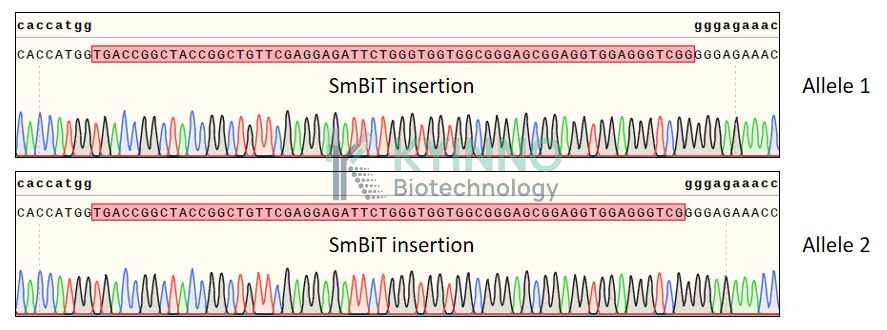
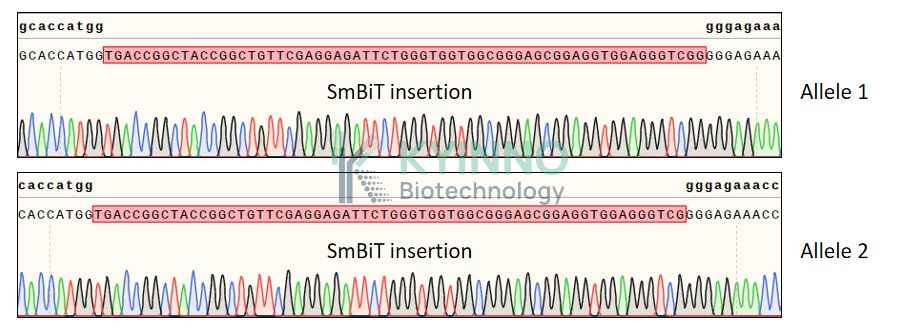
The ARRB2-SmBiT-KI model is a robust tool for analyzing endogenous ARRB2 dynamics. Using CRISPR-Cas9 knock-in technology, the 11-amino-acid SmBiT subunit of NanoLuc luciferase is fused to the endogenous ARRB2 locus. This system allows sensitive real-time detection of ARRB2 localization, trafficking and protein-protein interactions under physiological conditions, free from overexpression artifacts. It has become a key platform for drug discovery, functional genomics and mechanistic research on GPCR signaling.