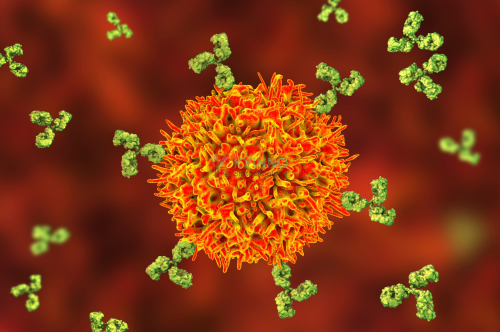
Antibodies are proteins produced by the immune system to recognize and neutralize harmful substances such as bacteria and viruses. Their ability to bind to specific targets makes them powerful tools in both medical treatments and diagnostic tests. For teams entering the field, the antibody discovery process can seem complex—filled with technical steps, varying timelines, and multiple approaches. But understanding the fundamentals is essential. As development cycles accelerate and expectations for precision and safety grow, a solid grasp of the basics can help prevent costly missteps later on.
This guide covers the key concepts every biotech and diagnostic team should know before launching development efforts or outsourcing discovery work.
What Is Antibody Discovery and Why It Matters
Antibody discovery is the process of identifying antibodies that can bind to a specific target—typically a disease-related protein. Once discovered, these antibodies can be developed into therapies, diagnostic tools, or research reagents. This process underpins many of today’s medical advancements, from targeted cancer treatments to rapid diagnostic tests.
The typical antibody discovery workflow includes:
1. Antigen Selection
The process begins by identifying the right target—usually a protein associated with a disease or biological process. This step requires careful consideration of the antigen’s structure, function, and relevance to the intended application. In some cases, antigens are modified or engineered to improve immunogenicity or mimic disease-specific conformations. A well-defined antigen increases the chances of generating high-affinity, specific antibodies.
2. Screening
Once the antigen is ready, researchers screen a diverse pool of antibodies to find those that bind to the target. This can be done using several methods:
- Hybridoma technology: Involves immunizing animals (typically mice), isolating B cells, and fusing them with myeloma cells to create stable antibody-producing cell lines.
- Phage display: Uses bacteriophages to present a vast library of antibody fragments, enabling selection based on binding to the target antigen.
- Single B cell isolation: Involves isolating individual B cells from an immunized or infected donor and directly recovering natural antibodies with desired properties.
Each method has advantages depending on the project’s goals, timelines, and regulatory requirements.
3. Antibody Validation
Promising antibody candidates undergo a series of in vitro and in vivo tests to confirm that they bind specifically to the target and deliver the intended functional effects. This can include binding assays (e.g., ELISA, SPR), cell-based assays, and animal studies. Validation ensures the antibody works in the relevant context, whether therapeutic, diagnostic, or analytical.
4. Optimization
After validation, lead candidates are optimized for performance. This may involve:
- Affinity maturation: Improving binding strength through directed evolution or rational design.
- Engineering for stability: Enhancing resistance to degradation or aggregation under storage and use conditions.
- Humanization or de-immunization: Reducing the risk of immune reactions in therapeutic applications.
- Formatting: Adjusting the antibody format (e.g., full-length IgG, Fab, scFv) to suit its final use.
Optimization is critical to ensure the antibody meets regulatory standards, manufacturing requirements, and functional expectations for clinical or commercial deployment. Whether you’re pursuing a therapeutic product or a diagnostic assay, understanding these core steps supports informed decisions around platforms, validation strategies, and development timelines, and the selection of antibody discovery services when outsourcing.
What Are Bispecific Antibodies?
Bispecific antibodies are engineered proteins designed to bind to two different targets simultaneously. Unlike traditional antibodies that recognize a single antigen, bispecifics can engage multiple disease mechanisms at once—making them especially useful in complex conditions like cancer and autoimmune diseases.
By targeting two sites, bispecific antibodies can:
- Redirect immune cells(such as T cells) to recognize and destroy cancer cells
- Block multiple disease pathwaysthat contribute to disease progression
- Improve specificity and reduce resistanceby targeting unique antigen combinations not addressed by single-target therapies
This dual-targeting approach can lead to more effective treatments and improved diagnostic precision. However, the added complexity in their design, expression, and validation means bi-specifics require more advanced development strategies.
For teams new to antibody R&D, understanding bispecifics early on is valuable—especially if your project involves multiple disease markers or immune system modulation. While they may not be the starting point for every program, their potential makes them a growing area of focus in therapeutic and diagnostic innovation.
The Role of AI and Computational Tools in Modern Antibody Discovery
Artificial intelligence (AI) and computational tools are becoming essential in antibody discovery. It helps researchers address complex datasets, streamline decision-making, and reduce development timelines. Rather than replacing lab work, AI enhances it—guiding experimental design and highlighting the most promising paths forward.
Key applications of AI in antibody discovery include:
- Binding prediction: Estimating how strongly and specifically an antibody is likely to bind to its target based on structural modeling and sequence data
- Sequence optimization: Refining regions of the antibody (such as CDRs) to improve affinity, specificity, or functional activity
- Developability assessment: Screening for properties like stability, solubility, and immunogenicity to reduce downstream risk
- Custom library design: Generating focused antibody libraries to improve screening efficiency and increase the likelihood of finding viable candidates
For biotech and diagnostic teams, AI tools can reduce the cost and time required for discovery by prioritizing high-potential candidates before entering the lab. When integrated with expert judgment and experimental validation, AI becomes a powerful asset—especially in projects where speed, accuracy, and scalability are critical.
How to Address Off-Target Binding and Validation Concerns
One of the key risks in antibody development is off-target binding—when an antibody interacts with unintended proteins or tissues. This can compromise both safety and accuracy, especially in therapeutic applications where precise targeting is critical. Off-target binding may lead to side effects, reduced efficacy, normal tissue toxicity or complications during clinical testing.
Early-stage validation is essential to identify and resolve these issues before they escalate. Best practices include:
- Tissue cross-reactivity testing (e.g., IHC)to evaluate how the antibody behaves in different biological environments
- Use of controls, such as blocking peptides or tissues lacking the antigen, to confirm binding specificity
- Secondary assays, like SPR, ELISA, or flow cytometry, to further validate target engagement and rule out false positives
At KYinno Bio, we support clients with comprehensive antibody validation services. Our in-house team applies rigorous testing standards and multi-platform assays to detect off-target effects early—helping you refine candidates before advancing into costly development stages.
Partner Early to Make Better Decisions and Save Time Later
Understanding the fundamentals of antibody discovery is just the first step. The decisions made early—such as selecting the right discovery platform, defining validation workflows, and designing antibodies for long-term success—can determine the trajectory of your entire program.
KYinno Bio offers end-to-end antibody discovery solutions tailored to therapeutic and diagnostic applications. From antigen design and high-throughput screening to advanced validation and developability assessment, our team integrates scientific expertise with flexible, scalable technologies. Whether you’re developing bi-specific antibodies, incorporating AI-guided selection tools, or working to minimize off-target risks, our platform is designed to accelerate discovery while reducing risk. Early collaboration with experts ensures that your project starts with a strong foundation—improving efficiency, cutting unnecessary costs, and moving your program forward with confidence.