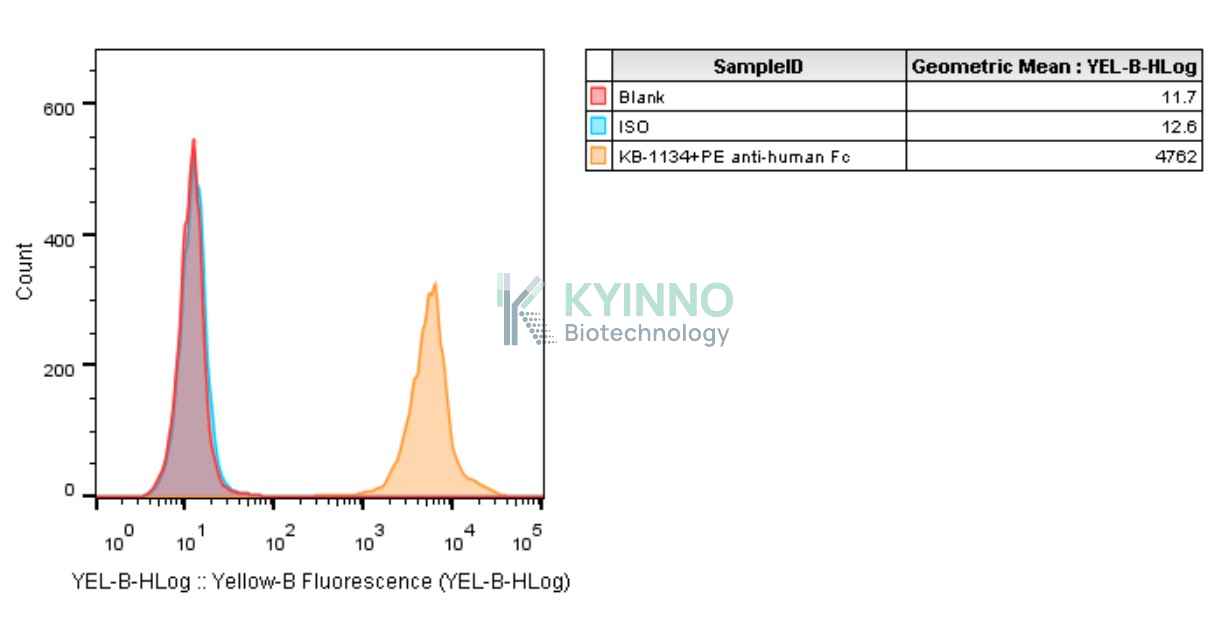
Claudins, a family of at least 27 transmembrane proteins, are important components and functional structures of tight cell junctions. Claudin-18 is a major component of tight junctions located on the cell membrane surface; it plays an important role in the maintenance of cell polarity and barrier function and promotes acid resistance. The human CLDN18 gene locus on chromosome 3q22 has a molecular weight of approximately 35 kb and contains 6 exons and 5 introns. The first exon of CLDN18 can be alternatively spliced, forming two different splice mutants (CLDN18.1 and CLDN18.2) that have highly homologous amino acid sequences. Both the C-terminus and the N-terminus of CLDN 18 are located in the cytoplasm. Two CLDN18 protein isoforms are expressed in a tissue-specific manner—CLDN18.1 and CLDN18.2 are specifically expressed in normal stomach and lung tissues, respectively. CLDN18 is also expressed in cancer tissues and has altered functions that are linked to tumour formation, proliferation, invasion and migration.
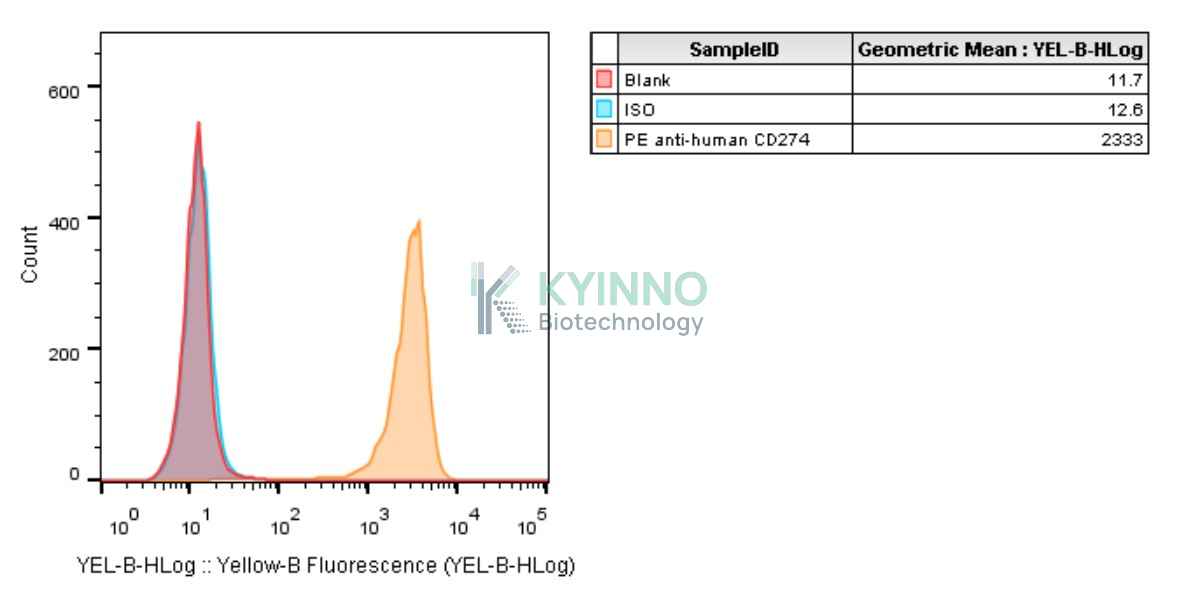
The interaction of programmed cell death 1 ligand 1 (PDL1) with its receptor programmed cell death 1 (PD1) inhibits T cell responses, and blockade of this interaction has proven to be an effective immunotherapy for several different cancers. PDL1 can be expressed on the surface of tumour cells, immune cells and other cells in the tumour microenvironment but is also found in extracellular forms. In patients with melanoma, exosomal PDL1 is also a marker of immune activation early after initiation of therapy with PD1-blocking antibodies and predicts a clinical response to PD1 blockade.