Cyclic adenosine monophosphate (cAMP), the first discovered second messenger, plays a key role in cell signaling, regulating many physiological and pathological processes. cAMP can regulate the transcription of a variety of target genes, primarily through protein kinase A (PKA) and its downstream effectors such as cAMP-responsive element binding protein (CREB). In addition, PKA can also phosphorylate a variety of kinases such as Raf, GSK3, and FAK. cAMP-PKA signaling abnormalities involve many types of human tumors.
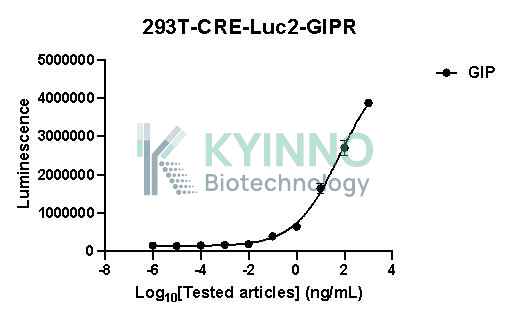
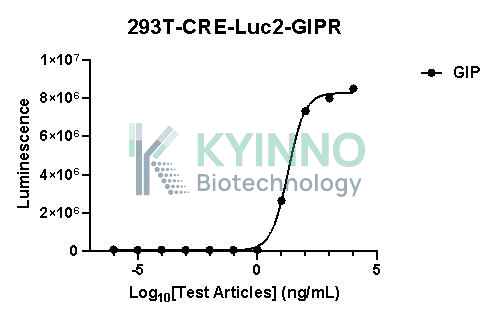
Glucose-dependent insulin polypeptides (GIPs) are products of the GIP gene and act as incretin hormone in mammals. Gip is most closely associated with the glucagongen (Gcg) and Exendin genes, and was isolated from these genes early in vertebrate evolution. In mammals, GIP works through its specific receptor, encoded by the Gipr gene, which belongs to the 7-transmembrane g protein-coupled receptor (GPCR) gene subfamily, which also includes glucagongen-derived peptides (Gcgr, Glp1r and Glp2r) and Exendin receptors (Grlr). The Gip, Gipr, Exendin and Grlr genes are found in most vertebrates.