KC-5450

293T-GCGR Cell Line

×
请在浏览器中启用JavaScript来完成此表单。
61159
Home » 293T-GCGR Cell Line

Background of 293T-GCGR Cell Line

Glucagon Receptor (GCGR) is a Class B G protein-coupled receptor (GPCR) predominantly expressed in the liver and kidney. As the primary receptor for glucagon, GCGR plays a central role in glucose homeostasis by triggering glycogenolysis and gluconeogenesis in response to low blood sugar. Pathologically, overactivation of GCGR is linked to hyperglycemia in Type 2 Diabetes Mellitus (T2DM). Current drug development has shifted from GCGR antagonists to multi-target agonists (e.g., GLP-1R/GCGR co-agonists). These dual agonists leverage GCGR’s ability to increase energy expenditure and lipid oxidation, synergizing with GLP-1's effects for superior weight loss and treatment of MASH/NASH.

Specifications

Catalog NumberKC-5450
Cell Line Name293T-GCGR Cell Line
NCBI/UniProt Accession NumberNM_000160.4
Clone Number11#
Host Cell Line293T
DescriptionStable 293T cell line expressing exogenous human GCGR gene
QuantityOne vial of frozen cells (≥2-106/vial)
StabilityStable in culture over a minimum of 10 passages
ApplicationDrug screening and biological assays
Freezing Medium70% DMEM + 20% FBS + 10% DMSO
Propagation MediumDMEM + 10% FBS + 1μg/mL Puromycin
Selection MarkerPuromycin
MorphologyEpithelial
SubcultureSplit saturated culture 1:4-1:8 every 2-3 days; seed out at about 1-3 × 10⁵ cells/mL
Incubation37 °C with 5% CO2
StorageLiquid nitrogen immediately upon receiving
Doubling TimeApproximately 30 hours
Mycoplasma StatusNegative

Cell Line Generation

293T-GCGR Cell Line was generated using a lentiviral vector expressing the human GCGR sequence.

Characterization

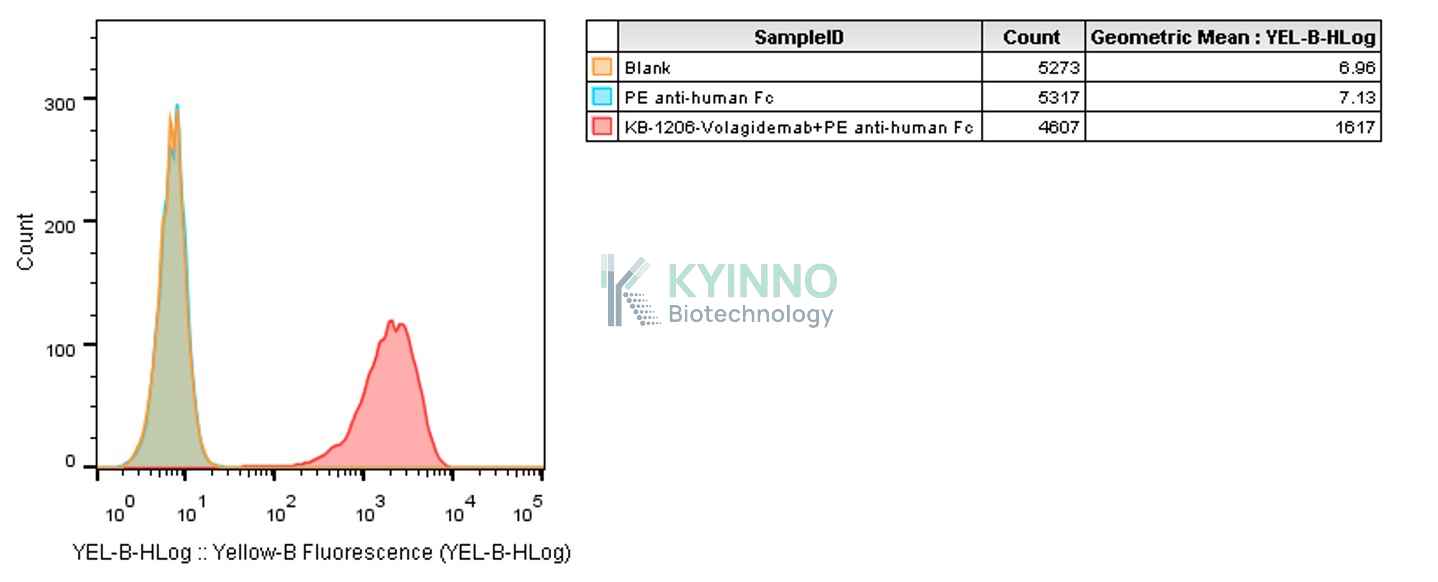
Figure 1: Characterization of GCGR overexpression in the 293T-GCGR stable clone using FACS (Volagidemab, Kyinno, Cat#KB-1206).

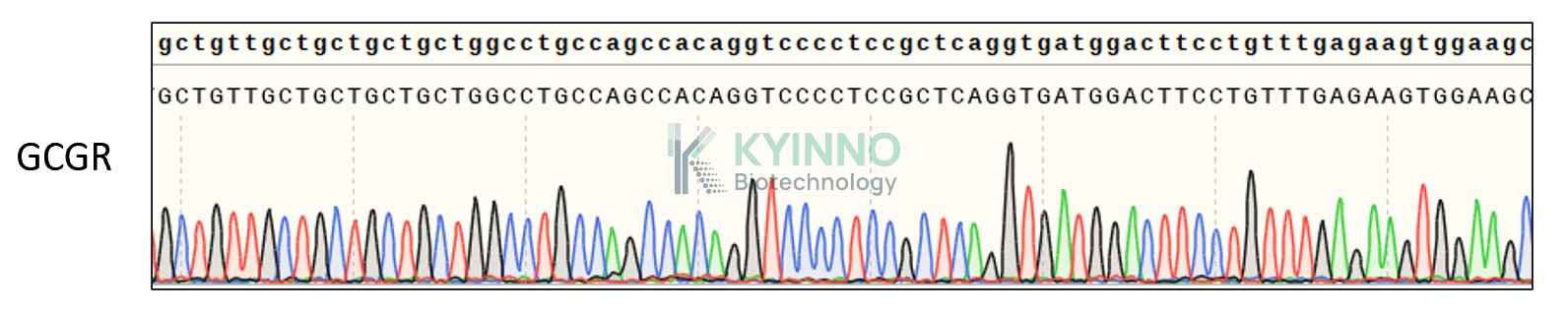
Figure 2: Characterization of human GCGR in the 293T-GCGR stable clone using PCR sequencing.

Cell Resuscitation

1. Prewarm culture medium (DMEM supplemented with 10% FBS and 1μg/mL Puromycin)in a 37°C water bath.
2. Thaw the frozen vial in a 37°C water bath for 1-2 minutes.
3. Transfer the vial into biosafety cabinet, and wipe the surface with 70% ethanol.
4. Unscrew the top of the vial and transfer the cell suspension gently into a sterile centrifuge tube containing 9.0mL complete culture medium.
5. Spin at ~ 125 × g for 5-7 minutes at room temperature, and discard the supernatant without disturbing the pellet.
6. Resuspend cell pellet with the appropriate volume of complete medium and transfer the cell suspension into a T25 culture flask.
7. Incubate the flask at 37°C, 5% CO2 incubator.
8. Split saturated culture 1:4-1:8 every 2-3 days; seed out at about 1-3 × 10⁵ cells/mL.

Cell Freezing

1. Prepare the freezing medium (70% DMEM + 20% FBS + 10% DMSO) fresh immediately before use.
2. Keep the freezing medium on ice and label cryovials.
3. Transfer cells to a sterile, conical centrifuge tube, and count the cells.
4. Centrifuge the cells at 250×g for 5 minutes at room temperature and carefully aspirate off the medium.
5. Resuspend the cells at a density of at least 3×10⁶ cells/mL in chilled freezing medium.
6. Aliquot 1 mL of the cell suspension into each cryovial.
7. Freeze cells in the CoolCell freezing container overnight in a -80°C freezer.
8. Transfer vials to liquid nitrogen for long-term storage.

References

1. Singh, Anmol et al. “GLP-1, GIP/GLP-1, and GCGR/GLP-1 receptor agonists: Novel therapeutic agents for metabolic dysfunction-associated steatohepatitis.” World journal of gastroenterology vol. 30,48 (2024): 5205-5211. doi:10.3748/wjg.v30.i48.5205
2. Sidrak, Wael R et al. “Approved and Emerging Hormone-Based Anti-Obesity Medications: A Review Article.” Indian journal of endocrinology and metabolism vol. 28,5 (2024): 445-460. doi:10.4103/ijem.ijem_442_23
3. Bailey, Clifford J et al. “An update on peptide-based therapies for type 2 diabetes and obesity.” Peptides vol. 161 (2023): 170939. doi:10.1016/j.peptides.2023.170939
4. Wewer Albrechtsen, Nicolai J et al. “100 years of glucagon and 100 more.” Diabetologia vol. 66,8 (2023): 1378-1394. doi:10.1007/s00125-023-05947-y

Use License Agreement

Research Use Only.
Not for use in diagnostic procedures or therapeutic applications.
Redistribution of the cell line or its derivatives is prohibited without prior written permission from Kyinno Biotechnology.
请在浏览器中启用JavaScript来完成此表单。