KC-4894

Ba/F3-IL31R-OSMR Cell Line

×
请在浏览器中启用JavaScript来完成此表单。
65457
Home » Ba/F3-IL31R-OSMR Cell Line

Background of Ba/F3-IL31R-OSMR Cell Line

IL31RA (Interleukin 31 Receptor A) is a Protein Coding gene. The protein encoded by this gene belongs to the type I cytokine receptor family. This receptor, with homology to gp130, is expressed on monocytes, and is involved in IL-31 signaling via activation of STAT-3 and STAT-5. Type 2 inflammatory cytokines such as interleukin (IL)-4, IL-13, and IL-31 are strongly implicated in AD pathogenesis. Stimulation of IL-31 cognate receptors on C-fiber nerve endings is believed to activate neurons in the dorsal root ganglion (DRG), causing itch. The IL-31 receptor is a heterodimer of OSMRβ and IL31RA subunits, and OSMRβ can also bind oncostatin M (OSM), a pro-inflammatory cytokine released by monocytes/macrophages, dendritic cells, and T lymphocytes. IL-31 receptor α-chain (IL-31RA) is also expressed in peripheral nerves and epidermal keratinocytes, and the roles of IL-31 on pruritus and skin barrier have been investigated.

Specifications

Catalog NumberKC-4894
Cell Line NameBa/F3-IL31R-OSMR Cell Line
NCBI/UniProt Accession NumberNM_001242637.2&NM_003999.3
Clone Number2#
Host Cell LineBa/F3
DescriptionStable Ba/F3 clone expressing exogenous human IL31R and OSMR gene
QuantityTwo vials of frozen cells (≥2-106/vial)
StabilityStable in culture over a minimum of 10 passages
ApplicationDrug screening and biological assays
Freezing Medium70% RPMI1640 + 20% FBS + 10% DMSO
Propagation MediumRPMI1640 + 10% FBS + 30ng/mL IL-31
Selection MarkerNA
MorphologyMostly single, round (some polymorph) cells in suspension
SubcultureSplit saturated culture 1:10 every 3 days
Incubation37 °C with 5% CO2
StorageLiquid nitrogen immediately upon receiving
Doubling TimeApproximately 20 hours
Mycoplasma StatusNegative

Cell Line Generation

Ba/F3-IL31R-OSMR cell line was generated using a lentiviral vector expressing the human IL31R and OSMR sequence.

Characterization

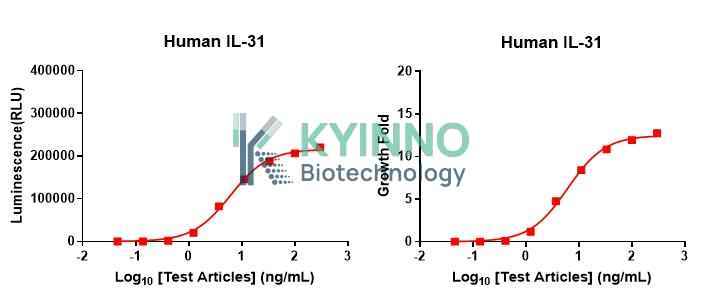
Figure 1: Ba/F3 cells expressing human IL31R and OSMR were seeded into 96-well plates, treated with compounds for 72 hours, and then read out with Cell-Titer Glo system.

Cell Resuscitation

  1. Pre-warm complete culture medium (RPMI1640 + 10% FBS + 30ng/mL IL-31) in a 37°C water bath.
  2. Rapidly thaw the cryovial in a 37°C water bath for 1-2 minutes with gentle agitation.
  3. Transfer the vial to a biosafety cabinet, and disinfect the exterior with 70% ethanol.
  4. Aseptically transfer the cell suspension dropwise into a sterile centrifuge tube containing 9.0 mL of pre-warmed complete medium.
  5. Centrifuge at approximately 125 × g for 5–7 minutes at room temperature, carefully aspirate the supernatant without disturbing the cell pellet.
  6. Gently resuspend the pellet in an appropriate volume of complete medium and transfer the suspension into a T25 flask.
  7. Incubate the flask in a 37°C in a humidified 5% CO2 incubator.
  8. Assess cell viability and morphology after 24 hours. If cells appear healthy, replace the medium with fresh medium supplemented with the appropriate selective antibiotic.
  9. Subculture the cells at a ratio of 1:10 every 3 days upon reaching 80%–90% confluency.

Cell Freezing

  1. Prepare the freezing medium (70% basal medium, 20% FBS and 10% DMSO) freshly before use.
  2. Pre-chill the freezing medium on ice and label the cryovials accordingly.
  3. Transfer the cell suspension to a sterile conical tube and perform a cell count to determine total viability and density.
  4. Centrifuge the cells at 250×g for 5 minutes at room temperature; carefully aspirate the supernatant.
  5. Gently resuspend the cell pellet in chilled freezing medium, ensuring a minimum cell density of 3×10⁶ cells/mL.
  6. Aliquot 1 mL of the cell suspension into each pre-labeled cryovial.
  7. Place the cryovials into a CoolCell® container and store at -80°C overnight for controlled-rate cooling.
  8. Transfer the cryovials to the liquid nitrogen for long-term storage the following day.

References

1. Ferretti E, Tripodo C, Pagnan G, Guarnotta C, Marimpietri D, Corrias MV, Ribatti D, Zupo S, Fraternali-Orcioni G, Ravetti JL, Pistoia V, Corcione A. The interleukin (IL)-31/IL-31R axis contributes to tumor growth in human follicular lymphoma. Leukemia. 2015 Apr;29(4):958-67. doi: 10.1038/leu.2014.291. Epub 2014 Oct 6. PMID: 25283844.
2. Suehiro M, Numata T, Saito R, Yanagida N, Ishikawa C, Uchida K, Kawaguchi T, Yanase Y, Ishiuji Y, McGrath J, Tanaka A. Oncostatin M suppresses IL31RA expression in dorsal root ganglia and interleukin-31-induced itching. Front Immunol. 2023 Nov 16;14:1251031. doi: 10.3389/fimmu.2023.1251031. PMID: 38035099; PMCID: PMC10687395.
3. Nakashima C, Otsuka A, Kabashima K. Interleukin-31 and interleukin-31 receptor: New therapeutic targets for atopic dermatitis. Exp Dermatol. 2018 Apr;27(4):327-331. doi: 10.1111/exd.13533. PMID: 29524262.

Use License Agreement

Research Use Only.
Not for use in diagnostic procedures or therapeutic applications.
Redistribution of the cell line or its derivatives is prohibited without prior written permission from Kyinno Biotechnology.
请在浏览器中启用JavaScript来完成此表单。