KC-3192

CHOK1-mouse-SEZ6-Cell-Line

×
Please enable JavaScript in your browser to complete this form.
34202
Home » CHOK1-mouse-SEZ6-Cell-Line

Background of CHOK1-mouse-SEZ6-Cell-Line

Acts upstream of or within several processes, including activation of protein kinase C activity; excitatory postsynaptic potential; and nervous system development. Located in several cellular components, including dendrite; neuronal cell body; and perinuclear region of cytoplasm. Is expressed in several structures, including central nervous system; genitourinary system; hemolymphoid system gland; liver; and retina. Orthologous to human SEZ6 (seizure related 6 homolog).

Specifications

Catalog NumberKC-3192
Cell Line NameCHOK1-mouse-SEZ6-Cell-Line
Host Cell LineCHOK1
DescriptionStable CHOK1 clone expressing exogenous mouse SEZ6 gene
QuantityTwo vials of frozen cells (≥2-106/vial)
StabilityStable in culture over a minimum of 10 passages
ApplicationDrug screening and biological assays
Freezing Medium70% RPMI1640 + 20% FBS + 10% DMSO
Propagation MediumRPMI1640 + 10% FBS + 10μg/ml Puromycin
Selection MarkerPuromycin
MorphologyEpithelial
SubcultureSplit saturated culture 1:4-1:5 every 2-3 days; seed out at about 1-3 × 10⁵ cells/ml
Incubation37 °C with 5% CO2
StorageLiquid nitrogen immediately upon receiving
Doubling TimeApproximately 24 hours
Mycoplasma StatusNegative
In Vivo ValidationNA

Cell Line Generation

CHOK1 mouse SEZ6 Cell Line was generated using a lentiviral vector expressing the mouse SEZ6 sequence.

Characterization

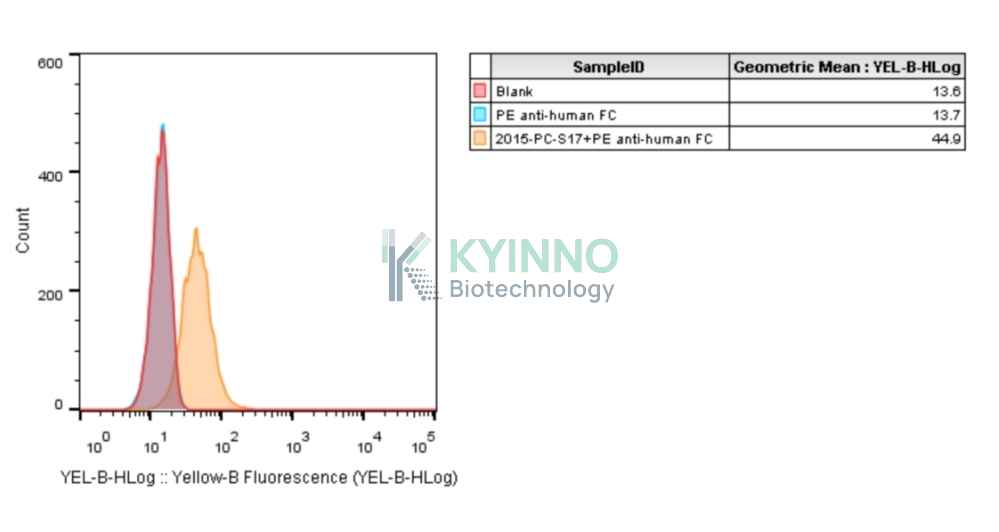
Figure 1: Characterization of mouse SEZ6 overexpression in CHOK1 stable clones using FACS.

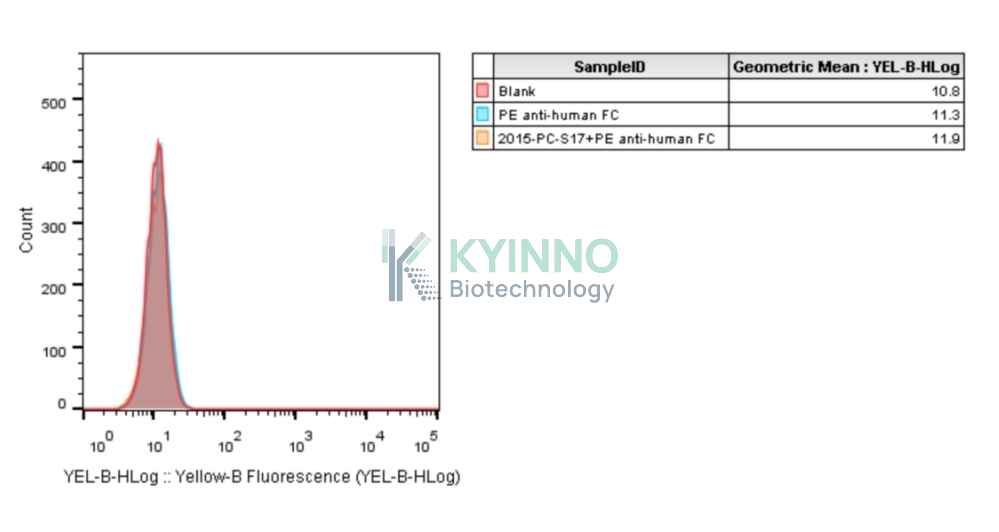
Figure2: Characterization of endogenous mouse SEZ6 expression in CHOK1 cells using FACS.

Cell Resuscitation

  1. Prewarm culture medium (RPMI1640 supplemented with 10% FBS and 10μg/mL Puromycin)in a 37°C water bath.
  2. Thaw the frozen vial in a 37°C water bath for 1-2 minutes.
  3. Transfer the vial into biosafety cabinet, and wipe the surface with 70% ethanol.
  4. Unscrew the top of the vial and transfer the cell suspension gently into a sterile centrifuge tube containing 9.0mL complete culture medium.
  5. Spin at ~ 125 × g for 5-7 minutes at room temperature, and discard the supernatant without disturbing the pellet.
  6. Resuspend cell pellet with the appropriate volume of complete medium and transfer the cell suspension into a T25 culture flask.
  7. Incubate the flask at 37°C, 5% CO2 incubator.
  8. Split saturated culture 1:4-1:8 every 2-3 days; seed out at about 1-3 × 10⁵ cells/mL.

Cell Freezing

  1. Prepare the freezing medium (70% RPMI1640 + 20% FBS + 10% DMSO) fresh immediately before use.
  2. Keep the freezing medium on ice and label cryovials.
  3. Transfer cells to a sterile, conical centrifuge tube, and count the cells.
  4. Centrifuge the cells at 250×g for 5 minutes at room temperature and carefully aspirate off the medium.
  5. Resuspend the cells at a density of at least 3×10⁶ cells/mL in chilled freezing medium.
  6. Aliquot 1 mL of the cell suspension into each cryovial.
  7. Freeze cells in the CoolCell freezing container overnight in a -80°C freezer.
  8. Transfer vials to liquid nitrogen for long-term storage

References

  1. Dominko K, Rastija A, Smiljanic K, Mladenovic A, Lešnjaković L, Kanazir S, Milanovic D, Hecimovic S. Amyloid-ß plaque formation and BACE1 accumulation in the brains of a 5xFAD Alzheimer's disease mouse model is associated with altered distribution and not proteolysis of BACE1 substrates Sez6 and Sez6L. Mech Ageing Dev. 2022 Oct;207:111726. doi: 10.1016/j.mad.2022.111726. Epub 2022 Aug 23. PMID: 35998821.
  2. Nash A, Aumann TD, Pigoni M, Lichtenthaler SF, Takeshima H, Munro KM, Gunnersen JM. Lack of Sez6 Family Proteins Impairs Motor Functions, Short-Term Memory, and Cognitive Flexibility and Alters Dendritic Spine Properties. Cereb Cortex. 2020 Apr 14;30(4):2167-2184. doi: 10.1093/cercor/bhz230. PMID: 31711114.
Please enable JavaScript in your browser to complete this form.