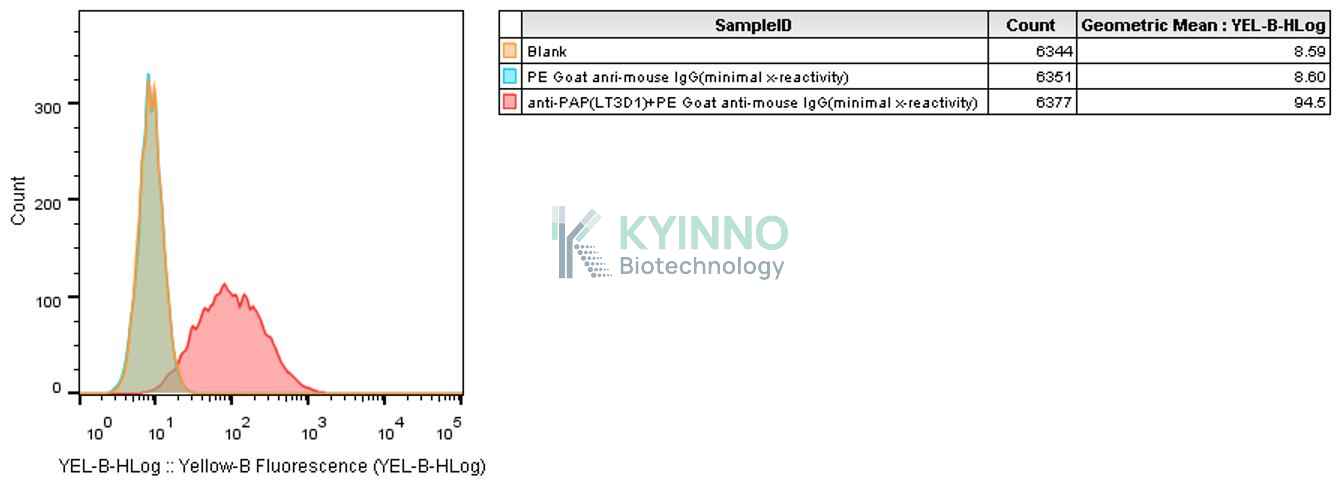
The ACP3 gene encodes a lysosomal acid phosphatase that catalyzes the hydrolysis of orthophosphoric monoesters, a critical reaction in phosphate metabolism. A key regulatory feature of this gene is its control by androgens, leading to its specific secretion by prostate epithelial cells, which implicates its potential role in prostate physiology and related pathologies. The discovery of an alternatively spliced isoform containing a transmembrane domain localizes this variant to the plasma membrane-endosomal-lysosomal pathway. This distinct subcellular localization shifts the research focus from a purely lysosomal enzyme to a potential cell-surface modulator of phosphorylated signaling molecules. Consequently, current investigations center on how this membrane-associated ACP3 isoform may influence phosphoprotein dynamics at the cell surface, thereby affecting signal transduction pathways in hormone-responsive cancers like prostate cancer.