KC-1505

Jurkat-NFAT- Luc2-LAG3 Cell Line

×
Please enable JavaScript in your browser to complete this form.
22271
Home » Jurkat-NFAT- Luc2-LAG3 Cell Line

Background of Jurkat-NFAT- Luc2-LAG3 Cell Line

"Lymphocyte-activation gene 3(LAG3), also known as CD223, is a member of immunoglobulin superfamily, expressed on activated T cells, NK cells, B cells and DC cells. LAG3 can bind to MHC II molecules and induce maturation of DC cells, and cytokine secretion of cytotoxic T cells and NK cells. LAG3 is a promising drug target of cancer therapy and autoimmune disease, its therapeutic antibodies including BMS-986016 and GSK2831781 had already been used in the clinical trial.
NFAT (nuclear factor of activator T cells) proteins belongs to a family of transcription factors that are very important in T cells activation, differentiation and tolerance. NFAT pathway is activated by Ca2+ and the Ca2+/calmodulin- dependent serine phosphatase calcineurin after the engagement of T cell receptor (TCR)."

Specifications

Catalog NumberKC-1505
Cell Line NameJurkat-NFAT- Luc2-LAG3 Cell Line
Host Cell LineJurkat-NFAT-Luc2
DescriptionJurkat cell line stable expressing exogenous luciferase gene under the control of NFAT responsive element and full-length human LAG3 gene
QuantityTwo vials of frozen cells (≥2-106/vial)
StabilityStable in culture over a minimum of 10 passages
ApplicationDrug screening and biological assays
Freezing Medium70% RPMI1640 + 20% FBS + 10% DMSO
Propagation MediumDMEM + 10% FBS +300μg/mL Hygromycin B + 0.75μg/mL puromycin
Selection MarkerHygromycin B and puromycin
MorphologyLymphoblast
SubcultureSplit saturated culture 1:4-1:5 every 2-3 days; seed out at about 1 × 10⁵ cells/mL
Incubation37 °C with 5% CO2
StorageLiquid nitrogen immediately upon receiving
Doubling TimeApproximately 48 hours
Mycoplasma StatusNegative
In Vivo ValidationNA

Cell Line Generation

Jurkat-NFAT-Luc2-LAG3 reporter cell line was generated using lentiviral vector expressing LAG3 full-length sequence.

Characterization

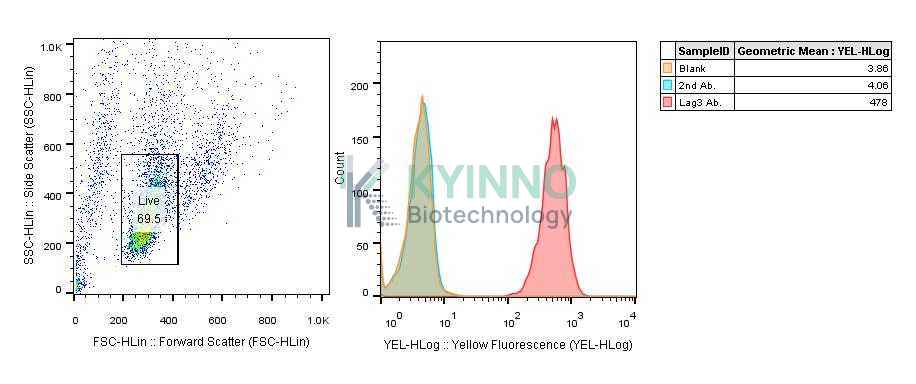
Figure 1: Characterization of LAG3 overexpression in Jurkat NFAT-Luc2-LAG3 reporter cell line

Cell Resuscitation

  1. Prewarm culture medium (DMEM supplemented with 10% FBS, 300μg/mL Hygromycin B and 0.75μg/mL puromycin).
  2. Thaw the frozen vial in a 37°C water bath for 1-2 minutes.
  3. Transfer the vial into biosafety cabinet, and wipe the surface with 70% ethanol.
  4. Unscrew the top of the vial and transfer the cell suspension gently into a sterile centrifuge tube containing 9.0mL complete culture medium.
  5. Spin at ~ 125 × g for 5-7 minutes at room temperature, and discard the supernatant without disturbing the pellet.
  6. Resuspend cell pellet with the appropriate volume of complete medium and transfer the cell suspension into a T25 culture flask.
  7. Incubate the flask at 37°C, 5% CO2 incubator.
  8. Split saturated culture 1:4-1:8 every 2-3 days; seed out at about 1-3 × 10⁵ cells/mL.

Cell Freezing

  1. Prepare the freezing medium (RMPI1640 + 20% FBS + 10% DMSO) fresh immediately before use.
  2. Keep the freezing medium on ice and label cryovials.
  3. Transfer cells to a sterile, conical centrifuge tube, and count the cells.
  4. Centrifuge the cells at 250×g for 5 minutes at room temperature and carefully aspirate off the medium.
  5. Resuspend the cells at a density of at least 3×10⁶ cells/mL in chilled freezing medium.
  6. Aliquot 1 mL of the cell suspension into each cryovial.
  7. Freeze cells in the CoolCell freezing container overnight in a -80°C freezer.
  8. Transfer vials to liquid nitrogen for long-term storage

References

1.Anderson, Ana C, Nicole Joller, and Vijay K Kuchroo. 2016. “Lag-3, Tim-3, and TIGIT: Co-Inhibitory Receptors with Specialized Functions in Immune Regulation.” Immunity 44 (5). Elsevier Inc.: 989–1004. 2.Huard, B, R Mastrangeli, P Prigent, D Bruniquel, S Donini, N El-Tayar, B Maigret, M Dréano, and F Triebel. 1997. “Characterization of the Major Histocompatibility Complex Class II Binding Site on LAG-3 Protein.” Proceedings of the National Academy of Sciences 94 (11): 5744–49.

Please enable JavaScript in your browser to complete this form.