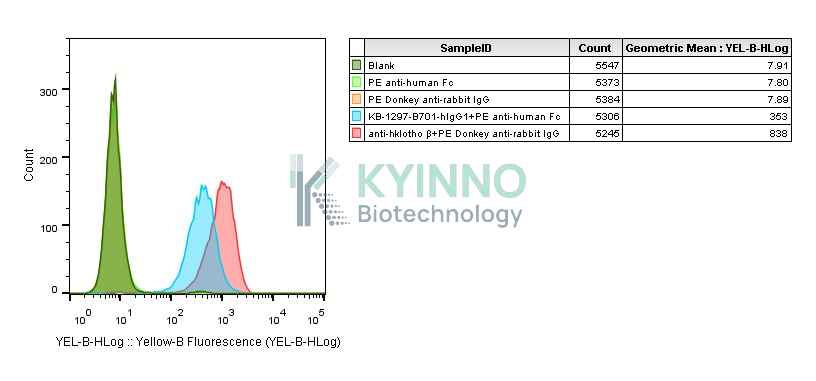
FGFR3, also known as CD333. This gene encodes a member of the fibroblast growth factor receptor (FGFR) family, with its amino acid sequence being highly conserved between members and among divergent species. FGFR family members differ from one another in their ligand affinities and tissue distribution. A full-length representative protein would consist of an extracellular region, composed of three immunoglobulin-like domains, a single hydrophobic membrane-spanning segment and a cytoplasmic tyrosine kinase domain. The extracellular portion of the protein interacts with fibroblast growth factors, setting in motion a cascade of downstream signals, ultimately influencing mitogenesis and differentiation. This particular family member binds acidic and basic fibroblast growth hormone and plays a role in bone development and maintenance. Mutations in this gene lead to craniosynostosis and multiple types of skeletal dysplasia. Research has shown that an enhancer located 29 kb upstream of mouse Fgfr3 (-29E) is sufficient to confer a transgenic mouse reporter with a domain of expression in cartilage matching that of Fgfr3. Its CRISPR/Cas9-mediated deletion in otherwise WT mice reduced Fgfr3 expression in this domain by half without causing adverse phenotypes.