KC-6097

293T-Rhesus-PTH1R Cell Line

×
请在浏览器中启用JavaScript来完成此表单。
62485
Home » 293T-Rhesus-PTH1R Cell Line

Background of 293T-Rhesus-PTH1R Cell Line

PTH1R, also known as PTHR1, is a protein that belongs to the G-protein coupled receptor 2 family. PTH1R is a receptor for parathyroid hormone and for parathyroid hormone-related peptide. The activity of this receptor is mediated by G proteins which activate adenylyl cyclase, and phosphatidylinositol-calcium second messenger system. Diseases associated with PTH1R include Jansen type metaphyseal chondrodysplasia and Blomstrand type Chondrodysplasia. Among its related pathways are endochondral ossification with skeletal dysplasias and GPCR downstream signaling.

Specifications

Catalog NumberKC-6097
Cell Line Name293T-Rhesus-PTH1R Cell Line
Clone Number1#
Host Cell Line293T
DescriptionStable 293T cell line expressing exogenous human Rhesus-PTH1R gene
QuantityOne vial of frozen cells (≥2-106/vial)
StabilityStable in culture over a minimum of 10 passages
ApplicationDrug screening and biological assays
Freezing Medium70% basal medium+20% FBS+10% DMSO
Propagation MediumDMEM+10% FBS +1μg/mL Puromycin
Selection MarkerPuromycin
MorphologyEpithelial
SubcultureSplit saturated culture 1:4 to 1:8 every 2-3 days; seed out at about 1-3 × 10⁵ cells/mL
Incubation37 °C with 5% CO2
StorageLiquid nitrogen immediately upon receiving
Doubling TimeApproximately 30 hours
Mycoplasma StatusNegative
In Vivo ValidationNA

Cell Line Generation

293T-Rhesus-PTH1R cell line was generated using a lentiviral vector expressing the rhesus PTH1R sequence.

Characterization

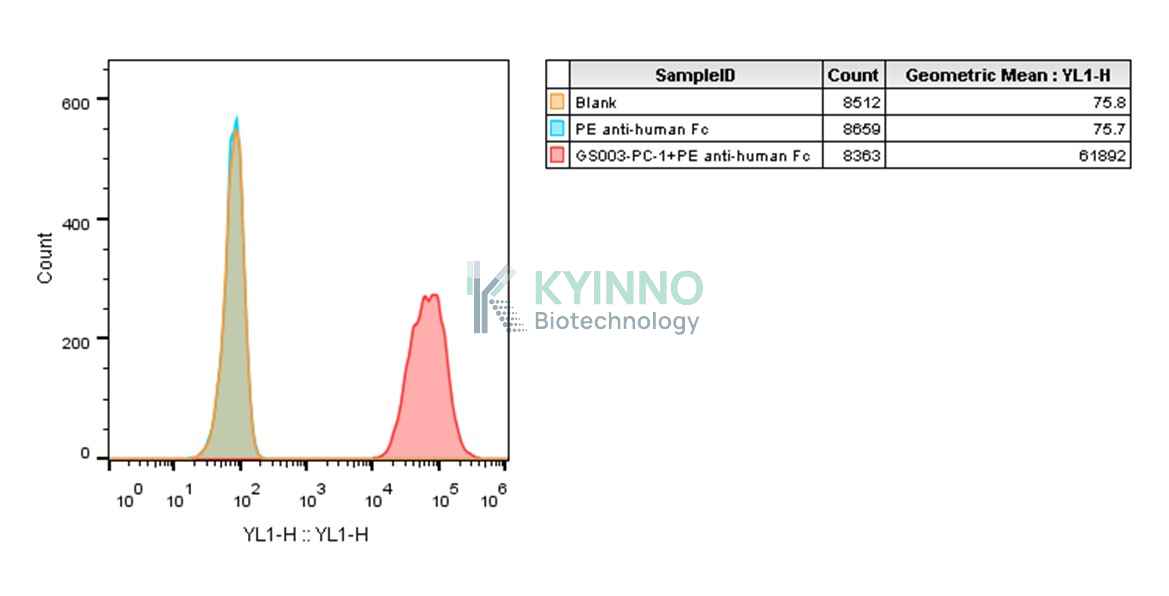
Figure 1. Characterization of rhesus PTH1R overexpression in the 293T-rhesus-PTH1R stable clone using FACS.

Figure 2: Characterization of rhesus PTH1R in the 293T-rhesus-PTH1R stable clone using PCR sequencing.

Cell Resuscitation

  1. Pre-warm complete culture medium (basal medium and 10% FBS) in a 37°C water bath.
  2. Rapidly thaw the cryovial in a 37°C water bath for 1-2 minutes with gentle agitation.
  3. Transfer the vial to a biosafety cabinet, and disinfect the exterior with 70% ethanol.
  4. Aseptically transfer the cell suspension dropwise into a sterile centrifuge tube containing 9.0 mL of pre-warmed complete medium.
  5. Centrifuge at approximately 125 × g for 5–7 minutes at room temperature, carefully aspirate the supernatant without disturbing the cell pellet.
  6. Gently resuspend the pellet in an appropriate volume of complete medium and transfer the suspension into a T25 flask.
  7. Incubate the flask in a 37°C in a humidified 5% CO2 incubator.
  8. Assess cell viability and morphology after 24 hours. If cells appear healthy, replace the medium with fresh medium supplemented with the appropriate selective antibiotic.
  9. Subculture the cells at a ratio of 1:4 to 1:8 every 2-3 days upon reaching 80%–90% confluency.

Cell Freezing

  1. Prepare the freezing medium (70% basal medium, 20% FBS and 10% DMSO) freshly before use.
  2. Pre-chill the freezing medium on ice and label the cryovials accordingly.
  3. Transfer the cell suspension to a sterile conical tube and perform a cell count to determine total viability and density.
  4. Centrifuge the cells at 250×g for 5 minutes at room temperature; carefully aspirate the supernatant.
  5. Gently resuspend the cell pellet in chilled freezing medium, ensuring a minimum cell density of 3×10⁶ cells/mL.
  6. Aliquot 1 mL of the cell suspension into each pre-labeled cryovial.
  7. Place the cryovials into a CoolCell® container and store at -80°C overnight for controlled-rate cooling.
  8. Transfer the cryovials to the liquid nitrogen for long-term storage the following day.

References

  1. Structure of the parathyroid hormone receptor C terminus bound to the G-protein dimer Gbeta1gamma2. PMID: 18611381 PMCID: PMC2601695 DOI: 10.1016/j.str.2008.04.010.
  2. Dimeric arrangement of the parathyroid hormone receptor and a structural mechanism for ligand-induced dissociation. PMID: 20172855 PMCID: PMC2852981 DOI: 10.1074/jbc.M109.093138.
  3. Yamaguchi T, Hosomichi K, Narita A, Shirota T, Tomoyasu Y, Maki K, Inoue I (Jul 2011). ""Exome resequencing combined with linkage analysis identifies novel PTH1R variants in primary failure of tooth eruption in Japanese"". Journal of Bone and Mineral Research. 26 (7): 1655–61. doi:10.1002/jbmr.385. PMID 21404329. S2CID 23855913.

Use License Agreement

Research Use Only.
Not for use in diagnostic procedures or therapeutic applications.
Redistribution of the cell line or its derivatives is prohibited without prior written permission from Kyinno Biotechnology.
请在浏览器中启用JavaScript来完成此表单。