KC-2454

MC38-LAG3-Cell-Line

×
Please enable JavaScript in your browser to complete this form.
24094
Home » MC38-LAG3-Cell-Line

Background of MC38-LAG3-Cell-Line

LAG3, also known as CD223, is an immune checkpoint receptor protein primarily expressed in activated T cells NK cells B cells and plasma cell dendritic cells. LAG3 can downregulate T cell activity by binding to MHC II molecules. Meanwhile, LAG3 can also enhance the inhibitory activity of regulatory T cells (Tregs). The use of therapeutic antibodies to inhibit LAG3 can relieve the inhibition of T cells and enhance the body's immune response. LAG3 is also a new therapeutic target for various malignant tumors.

Specifications

Catalog NumberKC-2454
Cell Line NameMC38-LAG3-Cell-Line
Host Cell LineMC38
DescriptionStable MC38 clone expressing exogenous LAG3 gene
QuantityTwo vials of frozen cells (≥2-106/vial)
StabilityStable in culture over a minimum of 10 passages
ApplicationDrug screening and biological assays
Freezing Medium70% 1640 + 20% FBS + 10% DMSO
Propagation Medium1640 + 10% FBS + 5μg/mL Puromycin
Selection MarkerPuromycin
MorphologyEpithelial
SubcultureSplit saturated culture 1:8-1:10 every 2-3 days; seed out at about 1-3 × 10⁵ cells/mL
Incubation37 °C with 5% CO2
StorageLiquid nitrogen immediately upon receiving
Doubling TimeApproximately 20 hours
Mycoplasma StatusNegative
In Vivo ValidationNA

Cell Line Generation

MC38-LAG3-cell-line was generated using a lentiviral vector expressing the LAG3 sequence.

Characterization

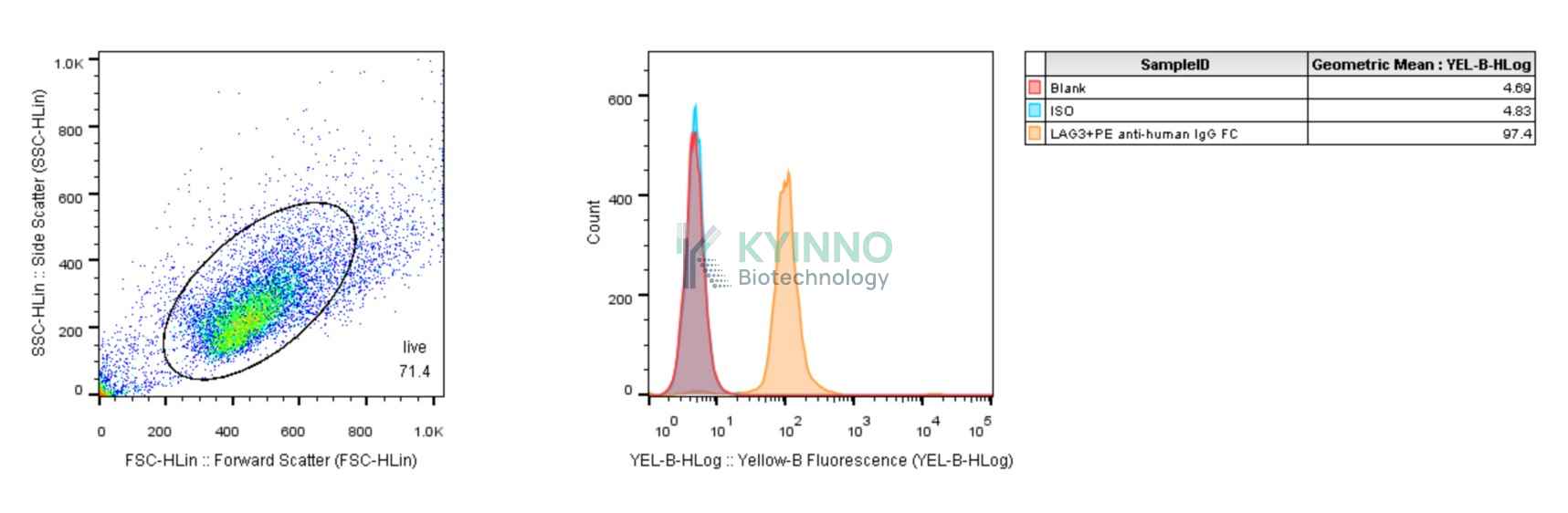
Figure 1: Characterization of LAG3 overexpression in the MC38-LAG3 stable clone using FACS.

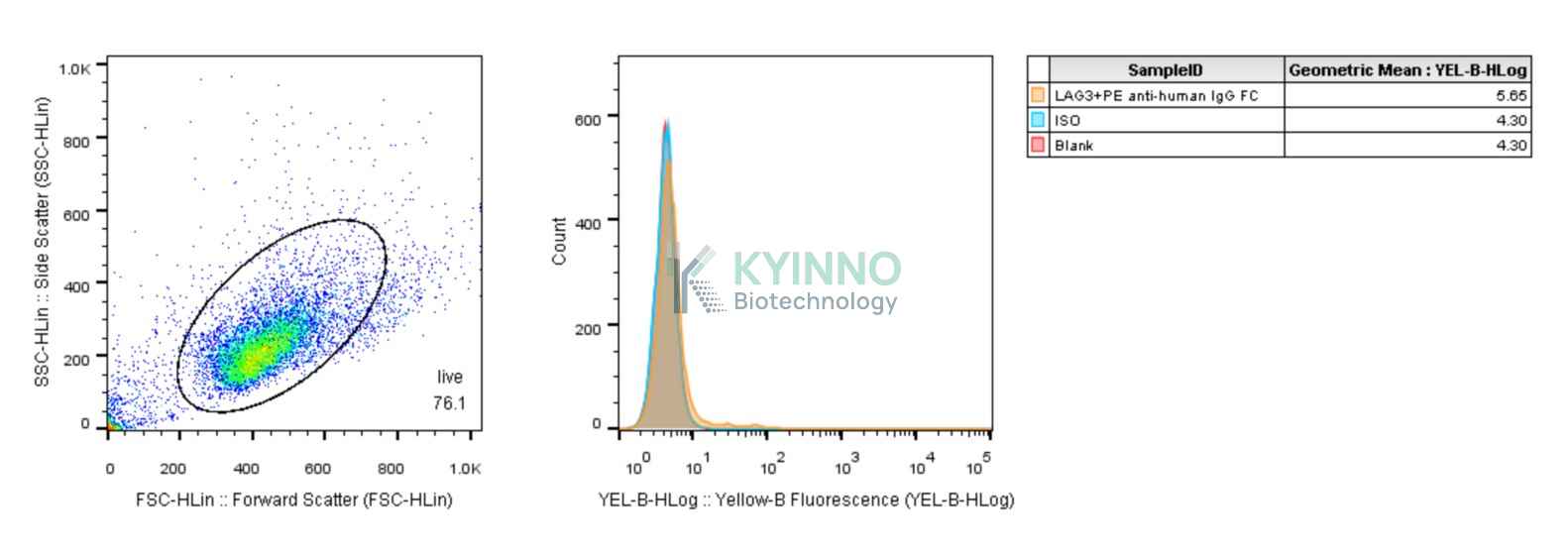
Figure 2: Characterization of endogenous LAG3 expression in MC38 cells using FACS.

Cell Resuscitation

  1. Prewarm culture medium (1640 supplemented with 10% FBS and 5μg/mL puromycin)in a 37°C water bath.
  2. Thaw the frozen vial in a 37°C water bath for 1-2 minutes.
  3. Transfer the vial into biosafety cabinet, and wipe the surface with 70% ethanol.
  4. Unscrew the top of the vial and transfer the cell suspension gently into a sterile centrifuge tube containing 9.0mL complete culture medium.
  5. Spin at ~ 125 × g for 5-7 minutes at room temperature, and discard the supernatant without disturbing the pellet.
  6. Resuspend cell pellet with the appropriate volume of complete medium and transfer the cell suspension into a T25 culture flask.
  7. Incubate the flask at 37°C, 5% CO2 incubator.
  8. Split saturated culture 1:8-1:10 every 2-3 days; seed out at about 1-3 × 10⁵ cells/mL.

Cell Freezing

  1. Prepare the freezing medium (70% 1640 + 20% FBS + 10% DMSO) fresh immediately before use.
  2. Keep the freezing medium on ice and label cryovials.
  3. Transfer cells to a sterile, conical centrifuge tube, and count the cells.
  4. Centrifuge the cells at 250×g for 5 minutes at room temperature and carefully aspirate off the medium.
  5. Resuspend the cells at a density of at least 3×10⁶ cells/mL in chilled freezing medium.
  6. Aliquot 1 mL of the cell suspension into each cryovial.
  7. Freeze cells in the CoolCell freezing container overnight in a -80°C freezer.
  8. Transfer vials to liquid nitrogen for long-term storage

References

  1. Zaitsu S, Yano M, Adachi S, Miwa M, Katoh T, Kawano Y, Yasuda M. Lymphocyte-activation gene 3 protein expression in tumor-infiltrating lymphocytes is associated with a poor prognosis of ovarian clear cell carcinoma. J Ovarian Res. 2023 May 13;16(1):93. doi: 10.1186/s13048-023-01179-1. PMID: 37179337; PMCID: PMC10182671.
  2. 1. Pedersen JM, Hansen AS, Skejø C, Juul-Madsen K, Junker P, Hørslev-Petersen K, Hetland ML, Stengaard-Pedersen K, Østergaard M, Møller BK, Dreyer L, Hauge EM, Hvid M, Greisen S, Deleuran B. Lymphocyte activation gene 3 is increased and affects cytokine production in rheumatoid arthritis. Arthritis Res Ther. 2023 Jun 7;25(1):97. doi: 10.1186/s13075-023-03073-z. PMID: 37287025; PMCID: PMC10246404.
  3. Adashek JJ, Kato S, Nishizaki D, Miyashita H, De P, Lee S, Pabla S, Nesline M, Conroy JM, DePietro P, Lippman S, Kurzrock R. LAG-3 transcriptomic expression patterns across malignancies: Implications for precision immunotherapeutics. Cancer Med. 2023 Jun;12(12):13155-13166. doi: 10.1002/cam4.6000. Epub 2023 May 3. PMID: 37132280; PMCID: PMC10315766.
Please enable JavaScript in your browser to complete this form.