KC-6681

NCI-H929-GPRC5D-KO Cell Line

×
请在浏览器中启用JavaScript来完成此表单。
64223
Home » 细胞系 » NCI-H929-GPRC5D-KO Cell Line

Background of NCI-H929-GPRC5D-KO Cell Line

G protein-coupled receptor class C group 5 member D (GPRC5D) is an orphan GPCR belonging to the RAIG1 family. The GPRC5D gene is located on chromosome 12p13.3, encoding a 345-amino acid protein with a seven-transmembrane domain . Its expression in normal adult human tissues is restricted primarily to plasma cells and hard-keratinized structures including hair follicles, nails, and lingual filiform papillae . Importantly, GPRC5D is highly and specifically expressed on malignant plasma cells in multiple myeloma (MM), with minimal expression on essential normal tissues . Elevated GPRC5D expression correlates with poor prognosis in MM patients . Although its endogenous ligand and physiological function remain elusive, GPRC5D has emerged as a promising immunotherapeutic target for MM, particularly for patients relapsed/refractory to BCMA-targeted therapies . Several GPRC5D-targeted modalities are under development, including the bispecific antibody talquetamab (the only FDA-approved GPRC5D-targeted therapy), chimeric antigen receptor (CAR) T cells, and antibody-drug conjugates (ADCs) . Ongoing research focuses on overcoming antigen escape mechanisms and managing on-target toxicities involving skin, nails, oral mucosa, and rare cerebellar events.

Specifications

Catalog NumberKC-6681
Cell Line NameNCI-H929-GPRC5D-KO Cell Line
Clone Number1A2
Host Cell LineNCI-H929
DescriptionStable NCI-H929 clone with human GPRC5D gene knockout
QuantityOne vial of frozen cells (≥2-106/vial)
StabilityStable in culture over a minimum of 10 passages
ApplicationDrug screening and biological assays
Freezing MediumRPMI1640+20% FBS+10% DMSO
Propagation MediumRPMI1640+10%FBS+0.05mM 2-mercaptoethanol
Selection MarkerN/A
MorphologyLymphoblast
SubcultureSplit saturated culture 1:3-1:6 every 2-3 days; seed out at about 1-3 × 10⁵ cells/mL
Incubation37 °C with 5% CO2
StorageLiquid nitrogen immediately upon receiving
Doubling TimeApproximately 30 hours
Mycoplasma StatusNegative

Cell Line Generation

NCI-H929-GPRC5D-KO cell line was generated using the CRISPR method.

Characterization

Figure 1: Characterization of NCI-H929-GPRC5D-KO cell line stable clone using PCR sequencing.

Figure 2: Characterization of NCI-H929-GPRC5D-KO cell line stable clone using RT-PCR sequencing.

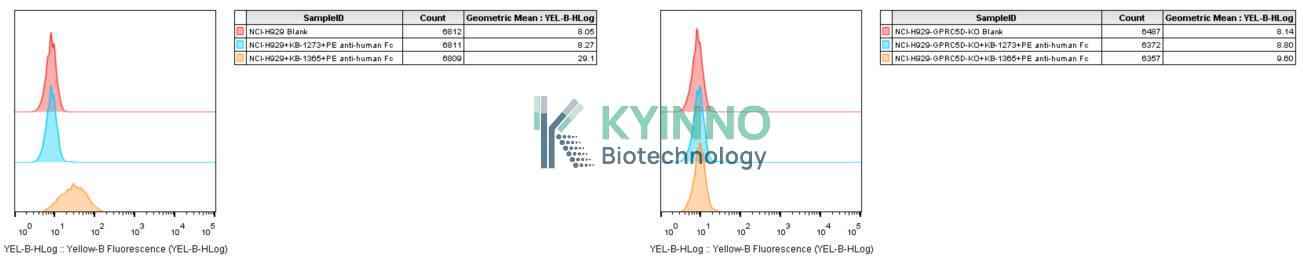
Figure 3: Characterization of NCI-H929-GPRC5D-KO cell Line stable clone using FACS.

Cell Resuscitation

  1. Prewarm culture medium (RPMI1640+10%FBS+0.05mM 2-mercaptoethanol)in a 37°C water bath.
  2. Thaw the frozen vial in a 37°C water bath for 1-2 minutes.
  3. Transfer the vial into biosafety cabinet, and wipe the surface with 70% ethanol.
  4. Unscrew the top of the vial and transfer the cell suspension gently into a sterile centrifuge tube containing 9.0mL complete culture medium.
  5. Spin at ~ 125 × g for 5-7 minutes at room temperature, and discard the supernatant without disturbing the pellet.
  6. Resuspend cell pellet with the appropriate volume of complete medium and transfer the cell suspension into a T25 culture flask.
  7. Incubate the flask at 37°C, 5% CO2 incubator.
  8. Split saturated culture 1:3-1:6 every 2-3 days; seed out at about 1-3 × 10⁵ cells/mL.

Cell Freezing

  1. Prepare the freezing medium (70% RPMI1640 + 20% FBS + 10% DMSO) fresh immediately before use.
  2. Keep the freezing medium on ice and label cryovials.
  3. Transfer cells to a sterile, conical centrifuge tube, and count the cells.
  4. Centrifuge the cells at 250×g for 5 minutes at room temperature and carefully aspirate off the medium.
  5. Resuspend the cells at a density of at least 3×10⁶ cells/mL in chilled freezing medium.
  6. Aliquot 1 mL of the cell suspension into each cryovial.
  7. Freeze cells in the CoolCell freezing container overnight in a -80°C freezer.
  8. Transfer vials to liquid nitrogen for long-term storage

References

  1. Smith EL, et al. (2019). "GPRC5D is a target for the immunotherapy of multiple myeloma." Sci Transl Med, 11(522):eaau7746 .
  2. Inoue S, et al. (2015). "The RAIG family member, GPRC5D, is associated with hard-keratinized structures." J Invest Dermatol, 135(1):300-304.
  3. Pan D, et al. (2025). "Emerging GPRC5D-targeted therapies for multiple myeloma." Expert Opin Investig Drugs, 34(5):379-389 .

Use License Agreement

Research Use Only.
Not for use in diagnostic procedures or therapeutic applications.
Redistribution of the cell line or its derivatives is prohibited without prior written permission from Kyinno Biotechnology.
请在浏览器中启用JavaScript来完成此表单。