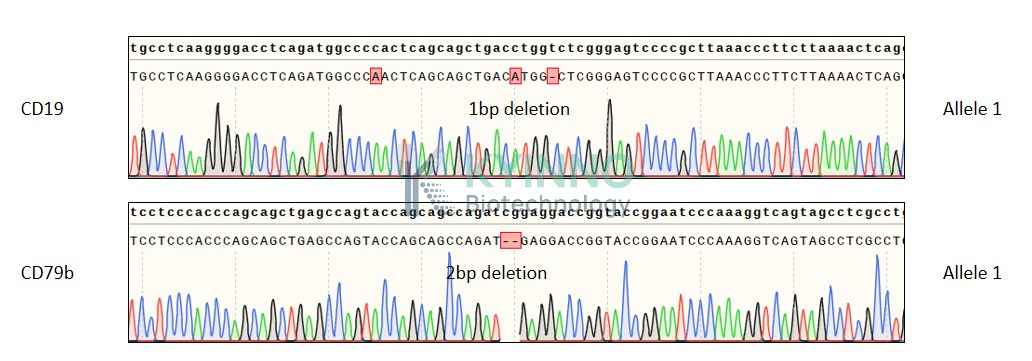
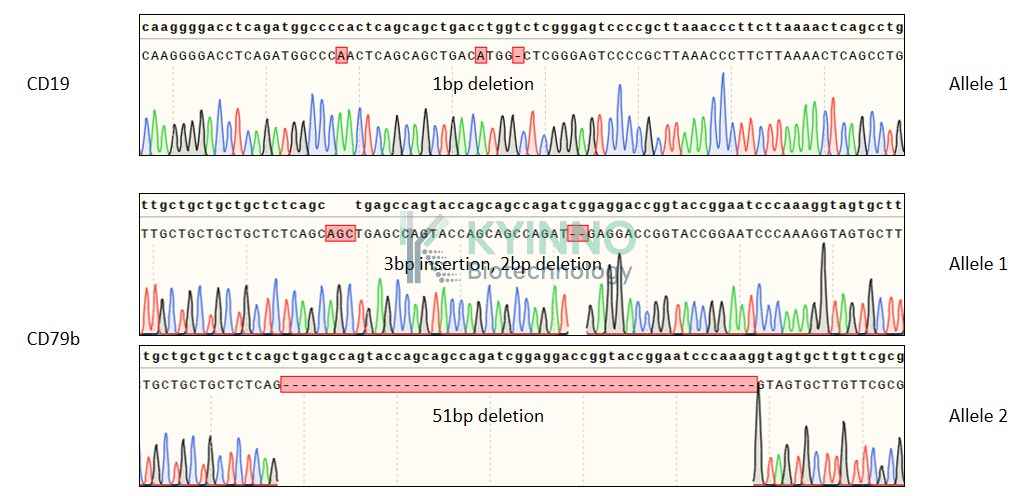
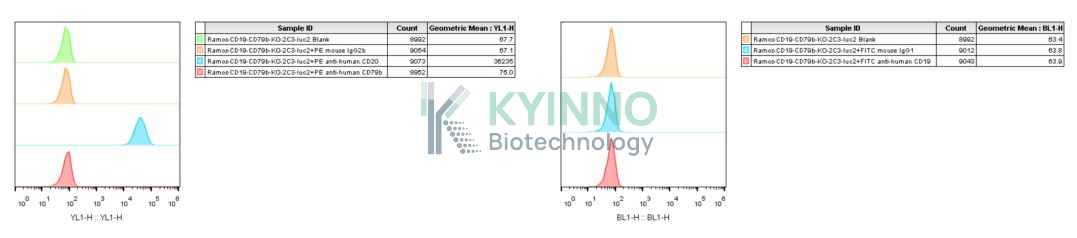
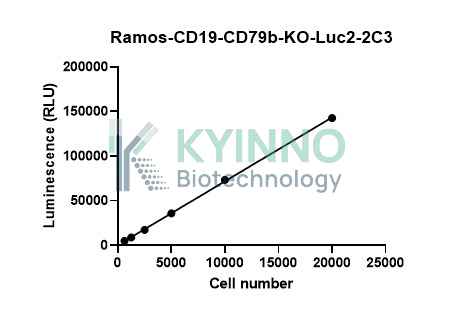
The CD19 and CD79B genes, located on chromosomes 16p11.2 and 17q23 respectively, encode two B-cell lineage-restricted surface molecules with complementary functions. CD19 functions as a critical signal transduction component of the B-cell receptor (BCR) co-receptor complex, modulating B-cell activation, differentiation, and proliferation. CD79b (Igβ) forms a disulfide-linked heterodimer with CD79a (Igα) as an essential signaling component of the BCR, required for BCR surface expression and signal initiation. Together, these molecules are indispensable for normal B-cell development and immunological function. The clinical relevance of CD19 and CD79b extends beyond basic immunology. Their stable and nearly exclusive expression on B cells and most B-cell malignancies has established them as prominent therapeutic targets, including CD19-directed CAR-T cells (e.g., axicabtagene ciloleucel, tisagenlecleucel) and CD79b-targeting antibody-drug conjugates (e.g., polatuzumab vedotin). However, loss of or low antigen expression can enable tumor escape and limit the duration of responses achieved with single-agent immunotherapies. Consequently, dual targeting of CD19 and CD79b has emerged as a promising strategy to mitigate antigen escape and improve durable responses, with multiple bispecific CAR-T constructs and combinatorial approaches currently in preclinical and clinical development.